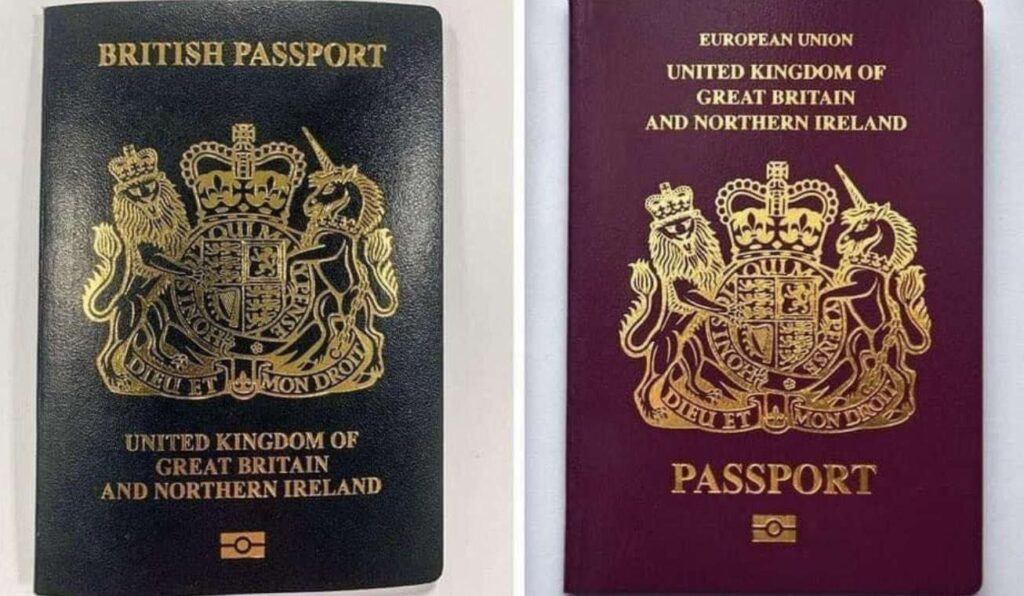
Since the Brexit referendum in 2016 and subsequent negotiations under former Prime Minister Boris Johnson, the way British citizens travel to European Union (EU) countries has undergone significant changes. As a result of the UK’s departure from the EU, British travellers are now classified as “third-country” nationals, leading to new procedures and restrictions when visiting Europe. This status affects everything from passport checks to the use of airport e-gates.
With additional changes expected in late 2024, here is what British nationals need to know about passport stamping, new biometric requirements, and upcoming fees.
However, this process is about to change, with the end of passport stamping on the horizon.
New Entry-Exit System (EES) Launching in November 2024
The EU plans to introduce the Entry-Exit System (EES) in November 2024, which will alter how British travellers and other non-EU citizens are processed at borders. The EES is expected to electronically record the entry and exit of non-EU visitors in the Schengen Area, replacing the need for physical passport stamps.
The Schengen Area comprises almost all EU nations (excluding Cyprus and Ireland), along with non-EU countries like Iceland, Norway, and Switzerland. Under the EES, British nationals will need to provide fingerprints and facial biometrics, and their movements will be tracked digitally within the Schengen zone. This change aims to streamline border control and maintain accurate data on visitors’ travel within the EU.
Upcoming Online Travel Authorisation for British Travellers
In addition to the EES, a new requirement will be introduced by mid-2025 for non-EU travellers, including UK citizens. Visitors will need to apply online for authorisation to enter the Schengen Area, which will cost around £6 and will be valid for three years. This process is similar to the US ESTA system, aiming to enhance security and streamline entry.
Can British Passport Holders Use EU Passport Lanes?
Following Brexit, UK passport holders are no longer eligible to use the EU or European Economic Area (EEA) passport lanes at airports. Instead, British citizens must use the “non-EU” or “third-country” lanes, where their passports are checked manually by border officers, resulting in longer waiting times in some locations.
While some EU countries have begun rolling out e-gate systems that may speed up entry for non-EU travellers, many still use manual checks for British visitors and other non-EU nationals.
Key Points for Travellers
- British nationals will need to adapt to the new Entry-Exit System (EES) from November 2024, which will eliminate passport stamping and require biometric data for entry.
- By mid-2025, UK visitors must also apply online for permission to enter the Schengen Area, with a fee of around £6 for three years.
- UK passport holders are required to use non-EU lanes at European borders, and e-gate access remains limited in many locations.
As travel rules continue to evolve post-Brexit, it’s important for British citizens to stay informed of the new regulations and requirements before planning their trips to Europe.