The RAC (Royal Automobile Club) has dubbed 2023 the “unofficial year of the rat” after...

Published: 9:46 am December 26, 2023
Updated: 11:36 am October 8, 2025
RAC Declares 2023 the ‘Unofficial Year of the Rat’ as Record Number of Rodents Wreak Havoc on Cars

The RAC (Royal Automobile Club) has dubbed 2023 the “unofficial year of the rat” after revealing alarming statistics of rodents causing substantial damage to vehicles. In an unexpected twist, it appears that these small creatures have been responsible for major automotive issues, resulting in costly repairs for car owners.

Breakdowns attributed to rodents have surged by 55% from 196 incidents in the first 11 months of 2018 to a record-breaking 303 incidents over the same period in 2023, according to the RAC. This concerning trend becomes even more pronounced with the change of seasons, showing an average increase of 66% from summer to autumn over the past five years.

A Hungry Menace

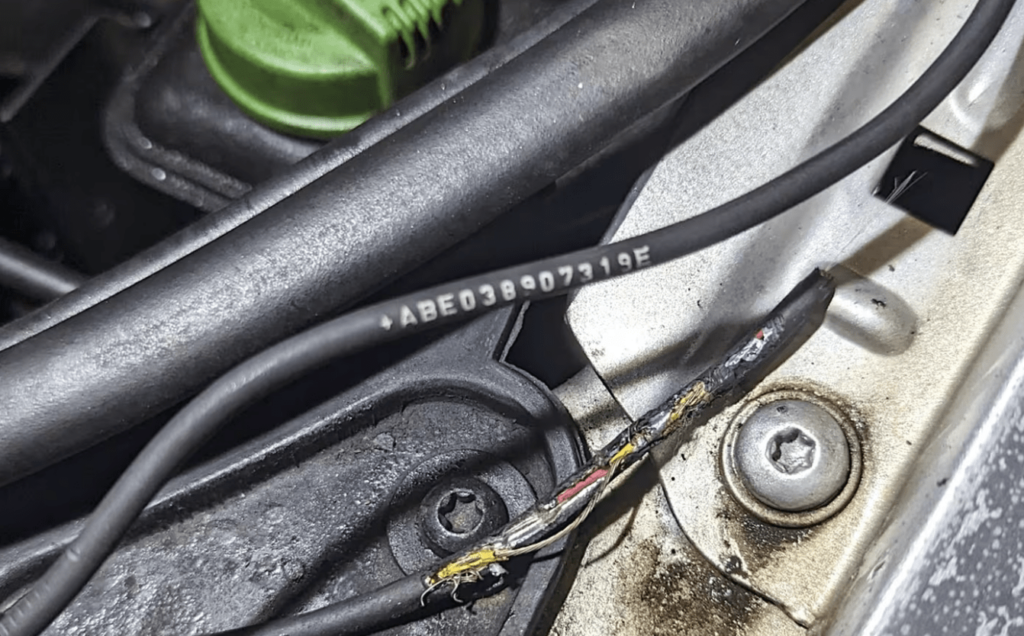
The data revealed that rats were the primary culprits, accounting for 51% of all animal-related damage incidents. These rodents caused havoc by gnawing through fuel hoses, infesting engine compartments, and damaging headlights. In addition to rats, there were reports of foxes chewing on speed sensor wiring, windscreen wiper blades, and brake hoses underneath cars.

One contributing factor to these infestations is food left inside or near unattended vehicles. Open bags of pet feed stored in garages can attract mice and rats, luring them into a car’s systems. These creatures are particularly drawn to components treated with peanut and soy-based oils and waxes, such as diesel injector wires, gearbox insulation, and primer bulbs.

Seeking Shelter and Warmth

Vehicles left stationary and unattended for extended periods can inadvertently become temporary shelters for rodents and even lost pets in search of warmth and security. RAC patrol members have encountered some unusual cases. In one instance, a squirrel used an air filter as a pantry, affecting the car’s performance. Another patrol discovered ten mice had established a nest under a car’s windscreen scuttle panel. Perhaps the most exotic encounter involved finding a baby pet python residing behind a wheel trim, drawn to the warmth of the car’s brakes.

Alister Hughes, an RAC patrol member in Cornwall, recalled an incident where a curious cat disconnected a battery in a Peugeot van while exploring the engine bay.

Minimizing the Risk

RAC Breakdown spokesperson Alice Simpson advised, “To reduce the risk of animal damage, check your car if it hasn’t been driven for a week or more. The best advice is to make sure no food – for pets or humans – is left inside. Also check for unusual smells in the vehicle and be mindful of any dashboard warning lights that don’t disappear after a minute or two. Any foodstuff in garages should be kept in airtight containers or locked in metal bins.”

Simpson continued, “If you suspect your vehicle has sustained animal damage, whether that’s chewed cables, clogged air filters, or a nibbled diesel priming bulb, you should contact a reputable mobile mechanic or use the RAC’s Approved Garage Network to find a local garage that provides quality repairs. Car insurance does cover animal damage, but it’s worth checking before you claim to see if the damage justifies the expense.

Car owners are advised to take these precautions to prevent unwanted animal infestations and costly repairs, particularly during the winter months when animals seek shelter from cold conditions.

We are your go-to destination for breaking UK news, real-life stories from communities across the country, striking images, and must-see video from the heart of the action.

Follow us on Facebook at for the latest updates and developing stories, and stay connected on X (Twitter) the for live coverage as news breaks across the UK.

SIGN UP NOW FOR YOUR FREE DAILY BREAKING NEWS AND PICTURES NEWSLETTER

Your information will be used in accordance with our Privacy Policy

YOU MIGHT LIKE