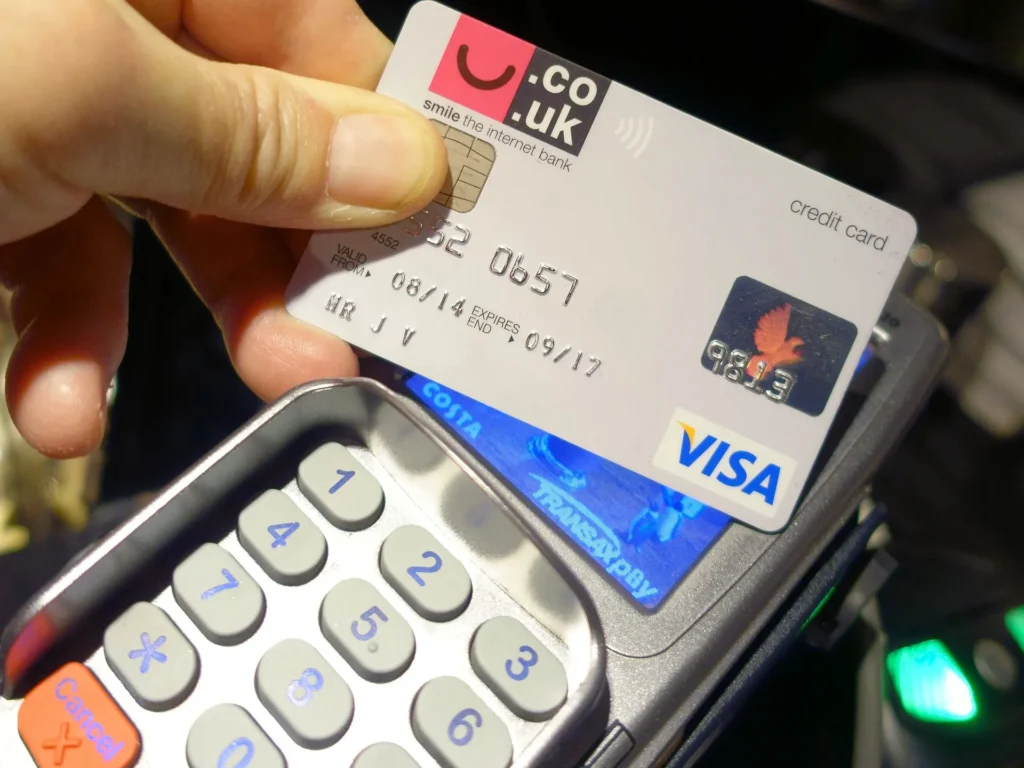
Shoppers across Britain are ditching physical cash at record rates as mobile wallets and contactless cards take over the high street. This major shift promises unprecedented speed for everyone queuing for their morning coffee or paying for groceries. Banks and tech giants argue that physical money is a relic of the past that slows us down. Yet this rapid change brings a new kind of anxiety for consumers who worry about system crashes and sophisticated fraud. We look at whether this digital revolution is truly helping or actually hindering our daily peace of mind.
Speed Is The New Standard
The primary argument for digital payments is always convenience. We no longer need to carry bulky wallets or count out loose change while a queue builds up behind us. Tapping a phone or watch takes seconds and allows life to move at a much quicker pace. This efficiency is perfect for the busy commuter or the parent rushing to get dinner on the table. It removes the friction from purchasing and makes the act of buying almost invisible. We have grown accustomed to this seamless flow in our daily routines.
Modern users demand instant results across all platforms they interact with. They expect international money transfers or funds from insurance claim payouts to land in their bank accounts instantly. Even iGaming platforms are expected to meet these demands. Many of the fast withdrawal casinos UK players often visit use automated clearing systems to reduce friction and prioritise user convenience. It sets a high bar for every other industry to match. When a simple bank transfer takes more than a few minutes it now feels like a serious failure. This expectation of immediacy creates a subtle pressure on everyone to keep moving without pause.
System Failure Sparks Panic
This reliance on digital systems creates a fragile existence for many consumers. A simple internet outage or a banking app glitch can leave someone completely stranded without access to their own money. We have all seen the panic in a person’s eyes when a card machine fails to connect. They are unable to pay for fuel or food and have no backup method available. This vulnerability turns mundane tasks into potential sources of high stress. We are at the mercy of technical stability every time we leave the house.
Subscription services and automatic renewals compound this issue. Small payments leave accounts silently and often go unnoticed for months. It creates a situation where people bleed money on services they no longer use or need. Managing finances requires a proactive review of apps and statements rather than just looking in a wallet. This administrative task adds another chore to domestic life. It turns financial management into a data analysis job rather than a simple counting exercise.
Conclusion
Ultimately, tapping to pay has become second nature, but it comes with trade-offs that deserve attention. Digital transactions have made life smoother and quicker, yet they have also introduced layers of stress that never existed with cash. A little awareness goes a long way, whether that means checking statements regularly, keeping a small amount of physical money on hand, or simply planning for the unexpected. The convenience of modern payment systems is here to stay, but peace of mind will depend on striking a balance between speed and security in everyday life.
[block_2]