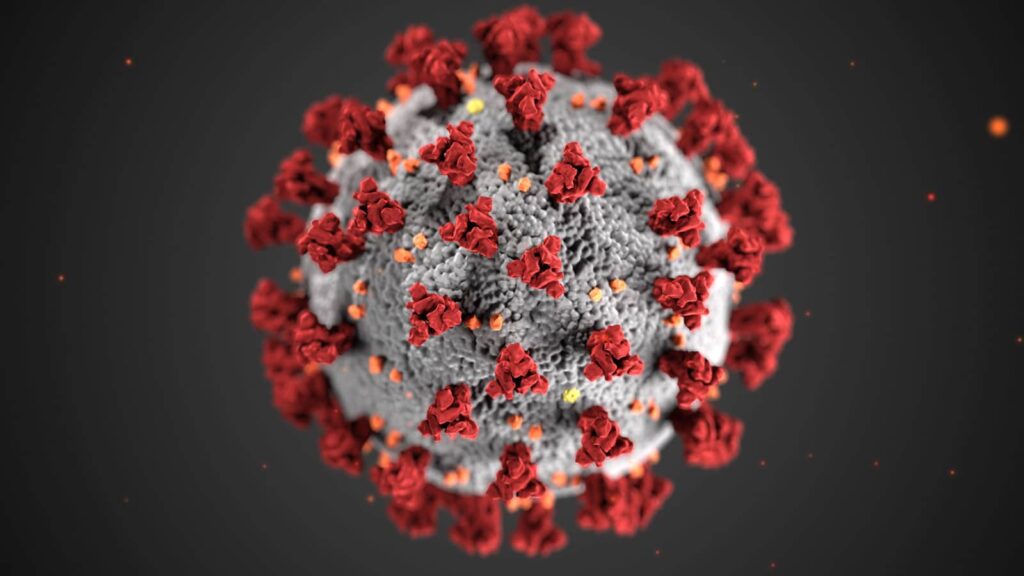
The UK’s Covid-19 Inquiry has delivered a brutal verdict: Britain was woefully unprepared for the pandemic. Government action during the critical early weeks was “too little, too late,” leading to an estimated 10,000 to 20,000 preventable deaths in the first wave alone.
[block_2]
Baroness Heather Hallett, who leads the inquiry, laid bare the flaws in a report released in July 2023. The full, final report is due in 2026, but early findings make grim reading.
Deadly Delay: Government Ignored Early Warnings
- Despite the World Health Organisation declaring a global emergency on January 30, 2020, the UK government waited until March 23 to impose a lockdown — a critical three-week lag compared to quick responders like South Korea.
- Imperial College London forecast half a million deaths without action, yet ministers initially toyed with “herd immunity” until forced to U-turn on March 16.
- COBRA emergency meetings fell victim to “groupthink,” with fragmented decision-making and reluctance to take bold steps.
- Testing was laughably insufficient: only 7,500 daily tests by mid-March versus South Korea’s mass testing strategy.
“The response was too little, too late, leading to thousands more deaths than necessary,” Baroness Hallett declared.
Care Homes, Ethnic Minorities, and Healthcare Workers Hit Hardest
- Care homes accounted for around 50,000 deaths — roughly 40% of all fatalities by March 2024 — with policies discharging Covid-positive patients directly into vulnerable residential settings.
- Ethnic minorities faced double the infection and death rates of white Britons, with BAME NHS workers dying at three times the rate of their white counterparts.
- London suffered the worst first-wave brunt, with over 18,000 deaths by May 2020, its dense population struggling to cope as hospitals overflowed.
The inquiry condemned a “systemic failure” of preparedness and response, citing “optimistic bias” among decision-makers who underestimated the threat despite global warnings.
Aftershocks: Partygate, PPE Shortages, and Calls for Reform
- Former PM Boris Johnson faced tough questions over his infamous “let the bodies pile high” remark and the Partygate scandal, showing a government begging for accountability.
- Chief Medical Officer Chris Whitty and Chief Scientific Adviser Patrick Vallance testified about the scientific advice given, but political delays undercut swift action.
- Current pandemic surges in 2025 have reignited calls from the British Medical Association to bring back mask mandates as hospitals wrestle with 1,500 weekly admissions.
- The inquiry demands a shake-up of the National Risk Assessment and more unified crisis management to avoid repeating past mistakes.
Slow Government Response Fuels Criticism
Despite the inquiry’s damning findings, government action remains sluggish. The 2024 Resilience Framework has been slammed as “vague” and lacking in concrete reforms. Critics warn that political denial risks sparking a similar catastrophe in future emergencies.