Beryl Set to Slam Texas as Hurricane Again
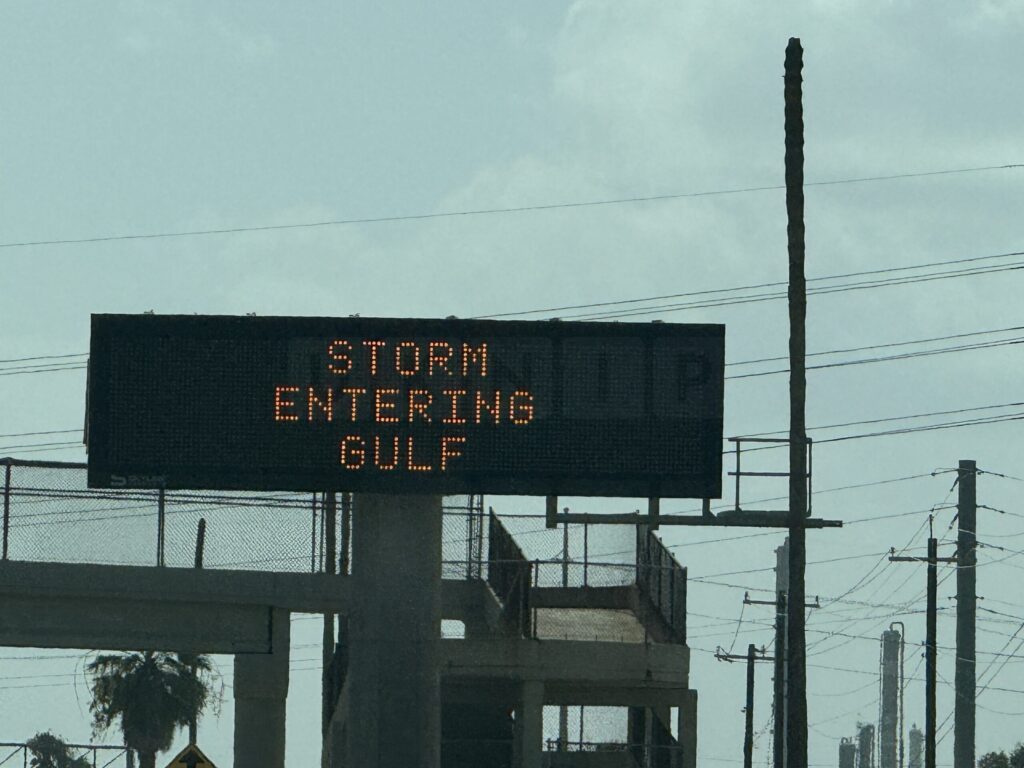
After tearing through Mexico’s Yucatan Peninsula and dropping to a tropical storm, Beryl is gearing up to roar back as a hurricane. It’s barreling towards southern Texas, expected to hit by Sunday evening.
Unstoppable Storm Tears Through Warm Gulf Waters
Beryl shocked meteorologists by powering through the blistering Caribbean waters, proving fears of a mega hurricane season true. Now, Texas is in the firing line.
- Beryl smashed the Yucatan as a Category 2 on Friday, then weakened.
- It will cross the boiling Gulf of Mexico, regaining hurricane strength by Sunday night or Monday morning.
- National Hurricane Center expert Jack Beven warns of landfall between Brownsville and just north of Corpus Christi.
- The storm could hit as a strong Category 1, but may be stronger if it lingers over water.
“The Gulf’s heat is fuel for rapid strengthening — we shouldn’t be surprised if Beryl explodes in power,” says Weather Underground co-founder Jeff Masters. “Category 2 is likely, but Category 3 can’t be ruled out.”
Rapid Intensification a Terrifying Trend
Beryl has already ramped up speed multiple times, with wind bursts of 35 mph or more in just 24 hours — the official definition of rapid intensification. It rocketed from 35 mph to 75 mph in one day, then hit 155 mph in just 15 hours on July 1.
According to Phil Klotzbach at Colorado State University, Beryl’s rapid surges have occurred eight times in its brief life — a near-record feat for an Atlantic July storm.
Experts say the storm’s explosive growth highlights how alarmingly warm the Atlantic and Caribbean seas are this year — a dangerous recipe for early mega hurricanes.
Records Shattered and Climate Alarm Bells Ringing
Beryl smashed records before hitting Grenada, becoming the earliest-ever Category 4 Atlantic hurricane with winds over 130 mph. It also set the record for fastest rapid intensification — jumping from a depression to Category 4 in just 48 hours.
“This storm is a harbinger of what’s to come,” warned Klotzbach. “We’re seeing the kind of wild, unpredictable storms that experts predicted months ago, comparable to 1933 and the disastrous 2005 season.”
University of Miami’s Brian McNoldy added: “This year’s storms are forming and intensifying faster, packing more punch, and appearing where we least expect them.”
Scientists blame record-warm Atlantic waters since April 2023, the collapse of cooling trade winds, and climate change impacts for the chaos.
Kristen Corbosiero from the University at Albany explains: “Warmer waters fuel towering thunderstorms inside hurricanes. When you get that heat energy, expect fireworks.”
Meanwhile, MIT’s Kerry Emanuel points to slowed Atlantic currents and a brewing La Nina in the Pacific, which mess with hurricane-killing winds and allow storms like Beryl to thrive.
Texas on High Alert
With Beryl’s unpredictable power surging back, experts urge southern Texas residents to stay vigilant.
“People in southern Texas need to keep a close eye on Beryl,” Beven warned. “This storm may pack more punch than forecasts show.”