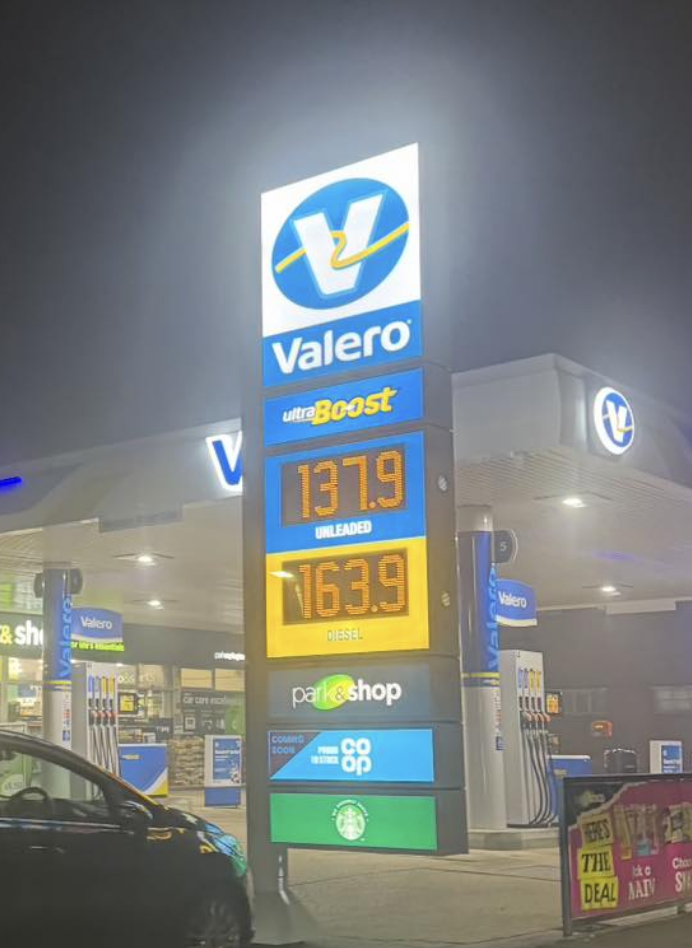
Diesel prices rising faster than petrol as Iran conflict already triggers 6p-a-litre increase at the pumps
96
View comments
96
View comments
 Qatar warns that oil could double to $150 a barrel and…
 Will petrol prices surge due to conflict in Iran – and could…
Share this article
However, he warned further pump price increases were ‘inevitable’ in what could be another costly period for Britain’s drivers.
‘Brent crude jumped to $85 on Thursday, something we haven’t seen since July 2024,’ he said.
‘If the price of a barrel stays at this level, or increases, then further forecourt rises will be inevitable.’
Analysis of UK pump pricing comes in the wake of comments made by Qatar’s energy minister warning oil prices could rocket to more than $150 – double from where it was before the attacks on Iran – and trigger a global energy crisis.
[block_2]
Read More
HOW TO CUT YOUR FUEL BILLS: Read our top 10 hypermiling eco-driving tips that will help you use less petrol and diesel and save money
Mr Kaabi told the Financial Times: ‘There will be shortages of some products and there will be a chain reaction of factories that cannot supply.’
With oil prices surging and no imminent end in sight for the conflict, the nation’s motorists will be questioning how long until forecourt prices rise towards record levels.
The highest price drivers have ever had to pay for petrol and diesel was in July 2022, with unleaded hitting 191.5p and diesel reaching 199p on the back of Russia’s war on Ukraine.
Based on Friday’s average UK prices, there is a 55p-a-litre gap to reach the petrol record and a 50p difference for diesel.
But with oil set to continue increasing, drivers’ fuel bills are likely to become more expensive.
Analysis of the historic link between oil and fuel prices by think tank the Energy and Climate Intelligence Unit estimated that if Brent Crude was to reach $100 a barrel, petrol prices would hit 150p per litre in the UK.
Earlier this week, the AA said there was ‘no need for drivers to break their refuelling routine’ over concerns of panic buying and motorists attempting to undercut rising prices.