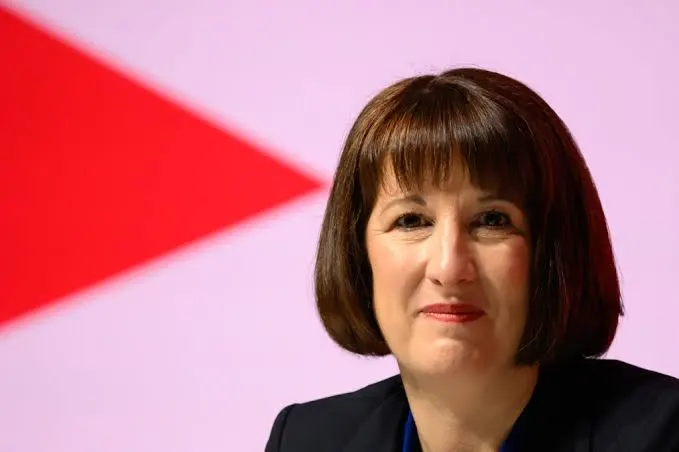
Chancellor Rachel Reeves has admitted the Middle East conflict is likely to fuel inflation in Britain. But she faced a fierce grilling from Shadow Chancellor Sir Mel Stride, who slammed her for “gross mismanagement” that has left the UK economy dangerously exposed.
Reeves Rolls Out Economic Relief Amid Soaring Oil Prices
Updating the Commons on the UK’s response to the US-Iran tensions, Reeves revealed a £15 billion warm homes plan, a £420 million business electricity discount, and a 5p per litre cut in fuel duty. This comes as oil prices rocket above $100 a barrel for the first time since the 2022 energy crunch.
Sir Mel Stride Blasts Government’s ‘Short-Sighted’ Energy Policy
Sir Mel was quick to pounce, accusing Reeves of bungling the economy ahead of this crisis. He pointed to the government’s tax regime on North Sea oil and gas, calling current rates “ruinously high.”
“The government is continuing to impose ruinously high taxes on our oil and gas sector and choosing to rely on imports instead of maximising our own domestic energy supply,” said Stride. “It’s an incredibly short-sighted approach.”
He warned that the high oil prices would trigger serious knock-on effects for households and businesses, echoing last year’s energy disaster. Despite the pressure, Reeves made no move to change energy taxes, sticking with her plan to offer short-term support while the crisis unfolds.
Will the Government’s Measures Hold Up as the Crisis Drags On?
The success of Reeves’ package depends on how long tensions in the Middle East persist and if oil prices stabilise or keep climbing. For now, the UK faces tough economic turbulence with no clear end in sight.