Horses and Wood Team Up to Rescue River Yare
The Environment Agency, Norfolk River Trust, and Norwich City Council have joined forces — with a bit of help from horses — to give the rare chalk stream, River Yare, a major makeover.
Brash Berms and Woody Debris Boost Wildlife and Water Quality
They’ve stacked woody debris along the riverbanks to form ‘brash berms.’ This clever technique narrows the river, restoring its natural flow after centuries of milling altered it. The berms also trap sediment, cleaning up the water.
Wooden structures create varying flow speeds, crafting wet and dry spots perfect for aquatic bugs and riverside wildflowers to flourish. Fish get cosy too, with new refuges offering shelter from predators and strong currents.
Horses Cut Carbon Footprint on Restoration Work
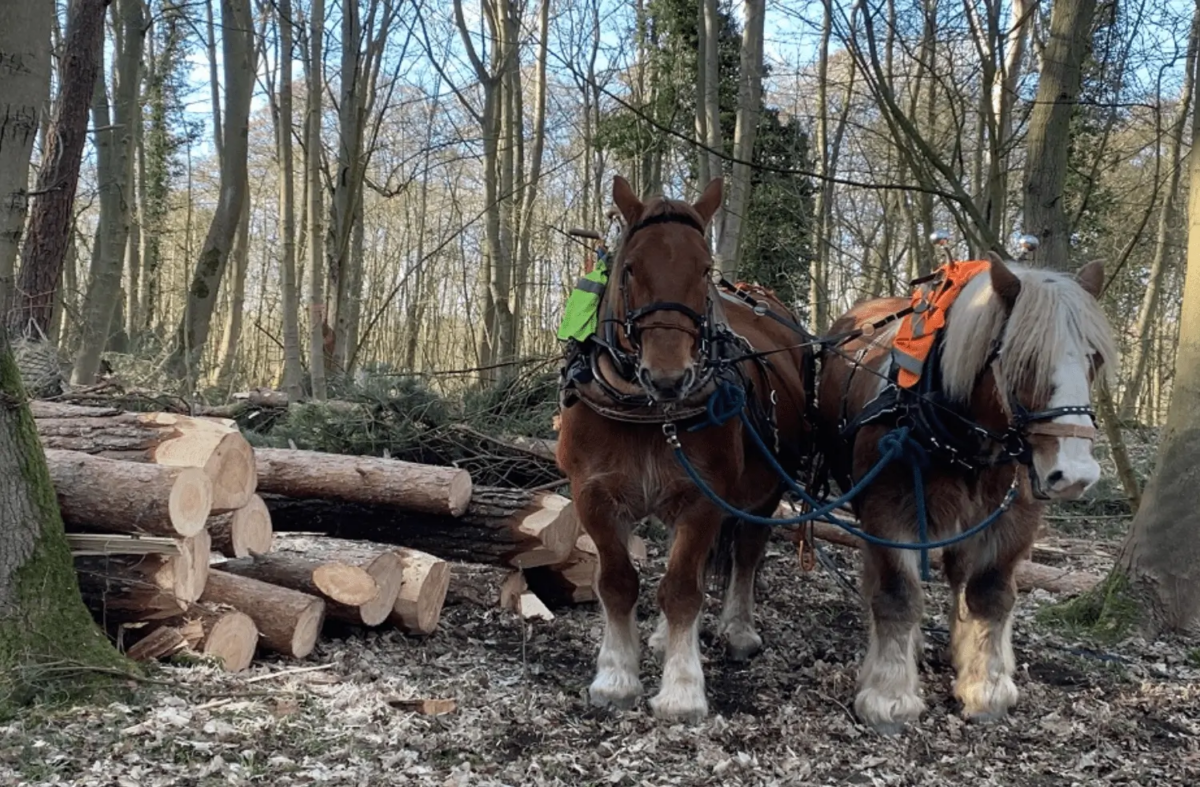
Why heavy machines when you’ve got heavy horses? The team used horses to haul wood to the site, slashing the project’s carbon footprint and keeping the environment safe from disturbance.
Amy Prendergast, Environment Agency project manager, said:
“It is great to work with our partners to make such a difference to this precious chalk stream, the overall water environment and to wildlife.
It is extra rewarding knowing that our work is visible to the public so they can also enjoy the benefits this project will bring.”
Sarah Gelpke, Norfolk Rivers Trust officer, added:
“This stretch of the Yare was historically modified, leaving steep banks and sluggish flow with deep silt patches.
Working with Aquamaintain, we’ve introduced brash berms and wooden features using local natural materials.”
“We’re already noticing improved flow and will keep monitoring habitat quality, wildlife, and sediment movement.”
“Using a Norfolk-based horse logger has helped us minimise disturbance to nearby woodland and fen grassland.”
Why Chalk Streams Matter
Chalk streams are England’s natural wonders, often called the country’s rainforests. An estimated 85% of the world’s chalk streams are in England, with nearly 30% clustered in East Anglia.
The water we drink in the east largely comes from rainwater held deep underground in natural chalk ‘aquifers’ that feed these vital streams — making their protection crucial for wildlife and communities alike.