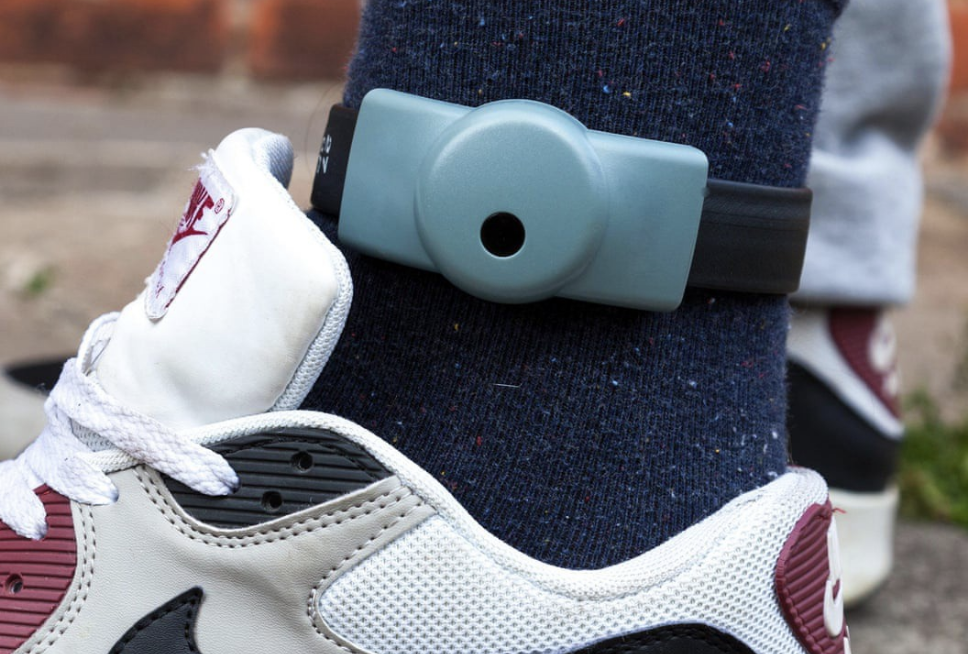
The UK government has unveiled the biggest expansion of electronic tagging in England and Wales, aiming to tackle the ongoing prison overcrowding crisis. Tens of thousands of offenders freed early will now be monitored by GPS-enabled tags, letting probation services track their every move in real time.
Targeting High-Risk Offenders with Tech
The new scheme prioritises high-risk offenders such as domestic abusers and stalkers. With proximity monitoring, authorities will get instant alerts if these offenders approach their victims. This move comes after a staggering 40,000 prisoners were released early last year to ease overflowing prisons.
Probation Services Face a Double-Edged Sword
Alongside the tagging blitz, the government promises to pump in serious funds, adding 1,300 new probation staff. The goal? To blend cutting-edge technology with boots-on-the-ground supervision. But already stretched probation officers warn that this may just pile more pressure on an overstretched system.
The Prison Reform Trust warned: “Electronic tagging isn’t a silver bullet for reoffending. It risks increasing breaches and recalls, which could worsen prison strain.”
The Trust also flags how excessive reliance on tags could stigmatise offenders, block employment chances, and harm rehabilitation efforts. They stress that professional judgement must remain central, or else the system risks collapse.
Tech vs. Human Touch: The Ongoing Debate
While electronic monitoring packs clear perks like real-time tracking and better enforcement of exclusion zones, many experts argue it cannot replace face-to-face supervision. Effective probation still needs hands-on assessment and dynamic risk management — things no gadget can fully deliver.
Practical concerns linger about whether the system can handle this massive scale-up, given past hiccups with delays and compliance.
Safety or False Security for Victims?
For victims, especially from domestic abuse, proximity alerts could offer some peace of mind. However, critics warn that tagging might create a false sense of security unless backed by rapid enforcement and robust probation oversight.
Ultimately, victim safety depends on how well these measures work on the ground.
We Want Your Voice Heard
UKPS Network is calling on probation and prison staff, justice professionals, and victims to share their views. Do tags support frontline work or just add stress? Are they the right fix for overcrowded prisons? Most importantly, do they really make victims feel safer?
If you want to stay anonymous, send us a private message — your perspective matters.