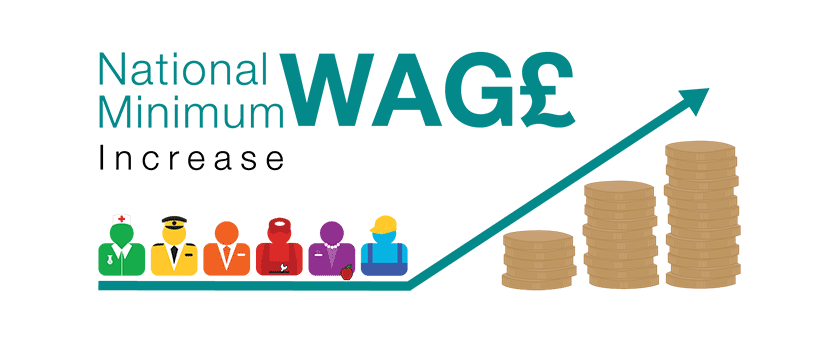
The UK government has announced a significant increase in the minimum wage, set to rise to £11.44 per hour from April next year. This change marks a substantial increase of over a pound from the current National Living Wage of £10.42 for workers over 23.

In a landmark policy shift, Chancellor Jeremy Hunt has extended this rate to include 21 and 22-year-olds for the first time. This adjustment translates to a yearly increase of £1,800 for a full-time worker aged 23, and an even more substantial £2,300 for 21-year-olds.
The announcement comes ahead of the Autumn Statement, where Mr. Hunt will outline further tax and spending decisions. Speaking at the Conservative Party conference in October, Mr. Hunt had hinted at the minimum wage exceeding £11 by April. The confirmed rates represent a 9.8% increase for over-23s compared to last year and an impressive 12.4% rise for 21 and 22-year-olds.
The current minimum wage for those aged 21-22 stands at £10.18 per hour. Additionally, the National Minimum Wage for 18-20-year-olds will increase from £7.49 to £8.60 an hour, benefiting 2.7 million low-paid workers. Apprentices are not left out, with their hourly pay seeing a rise of over 20%, from £5.28 to £6.40.
The Chancellor has accepted recommendations from the Low Pay Commission in full, stating that the Conservatives’ goal to “end low pay” has been achieved by raising the living wage to two-thirds of average earnings. According to Mr. Hunt, the National Living Wage has halved the number of people on low pay since 2010, ensuring that work is rewarding.
Bryan Sanderson, the chair of the Low Pay Commission, described the recommended increase as a navigation through political and economic uncertainties.
However, the wage increase comes amid soaring living costs, with low-income families particularly affected by escalating energy and food bills. Last year’s similar wage hike raised concerns among retail and hospitality businesses over increased wage bills.
Kate Nicholls, CEO of UK Hospitality, expressed concerns on X, formerly Twitter, about the impact of the wage rise on businesses. She emphasized the need for government action to reduce taxes and costs, particularly business rates, to support businesses in implementing the wage increase.
The wage hike represents a significant step in addressing income inequality and the cost-of-living crisis but also raises questions about the economic impact on businesses during a challenging period.