Since US and Israeli strikes on Iran began on February 28, tit-for-tat attacks have rocked the Middle East. The Royal Navy finds itself stretched thin, caught in a rapidly escalating conflict with very limited options.
Britain’s Blurred Stance on Iran
The UK government, led by Starmer, is playing a confusing game – tacitly siding with Trump’s hardline approach yet denying direct involvement. The collapse of Iran’s despised regime aligns with Britain’s interests, but striking at Tehran risks kicking off unpredictable fallout. Middle East intervention is politically toxic in the UK, but with British personnel and interests on the line, some action seems unavoidable. Unfortunately, military prep looks half-baked at best.
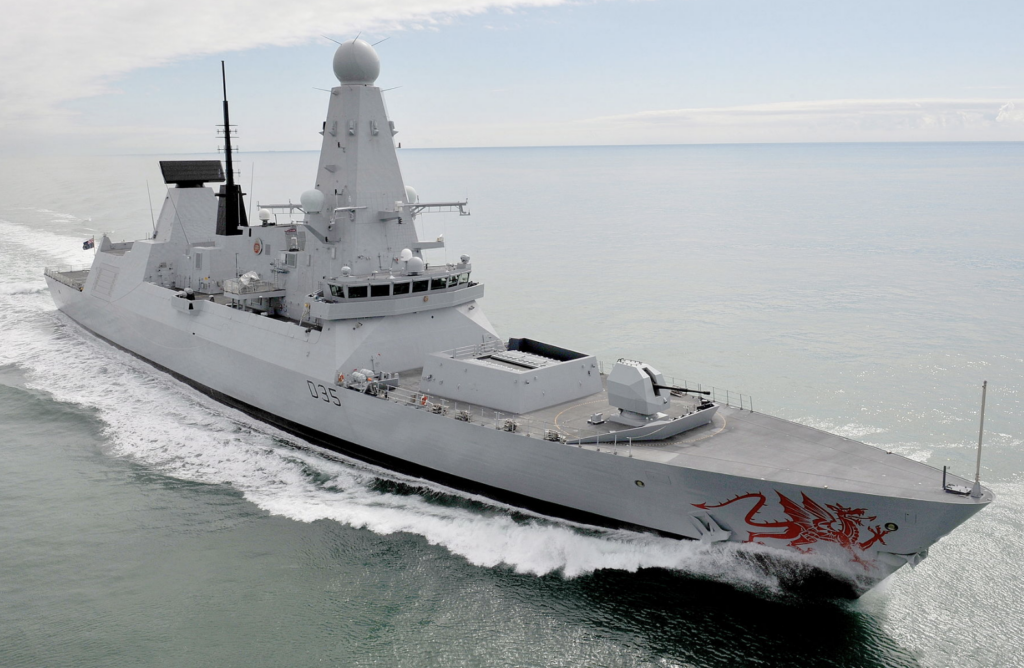
Despite clear warnings that trouble was brewing, the Royal Navy’s readiness is underwhelming. A lone Type 45 destroyer is the bare minimum presence in the Eastern Mediterranean, with inadequate contingency planning for British forces in Bahrain.
Royal Navy Running on Empty
Just a decade ago, the RN maintained multiple ships globally, ready to respond in a pinch. Today, the fleet is threadbare. Only two offshore patrol vessels and the submarine HMS Anson operate east of Suez. No warships are stationed in the Mediterranean – just a mothballed RFA in Gibraltar.
Three of the Type 45 destroyers are “operational” in name only. HMS Duncan is the prime candidate for deployment, having recently finished training exercises, but others like HMS Dauntless and HMS Dragon are in maintenance. The rest are stuck in refit, regeneration, or major repairs.
Frigates fare no better, with HMS St Albans active in the Atlantic, HMS Somerset set to sail, but others like HMS Portland crippled by defects or slow returns from refits. The tiny, stretched force is ill-equipped to bolster UK interests in this volatile region.
Carriers and Cyprus Under Threat
France’s Charles de Gaulle carrier strike group is poised to shift focus to the Eastern Mediterranean amid rising tensions. Meanwhile, HMS Prince of Wales is in maintenance after last year’s Pacific deployment and won’t return until later this year for Operation FIRECREST in the North Atlantic and Arctic regions.
Cyprus’s RAF Akrotiri base came under drone attack on March 1. Though no damage occurred, the lack of hardened shelters exposes vulnerabilities. A nearby Type 45 destroyer would boost security, yet no such protection is currently in place, forcing reliance on luck or US defence.
Bahrain Based on a Knife-Edge
Iranian drone strikes targeted the US Navy’s 5th Fleet base in Bahrain twice recently, narrowly missing the UK Naval Support Facility. The oil tanker MV Stena Imperative was also hit and set ablaze in port. Around 300 British personnel remain stationed there, but British warships have all but vanished from the Gulf theatre.
HMS Lancaster was decommissioned in Bahrain last December and is too worn out to return. HMS Middleton, the last RN vessel in the Gulf, is headed home soon, leaving UK forces exposed in a highly volatile hotspot where drones and missile strikes are a daily threat.
Strait of Hormuz: A Global Flashpoint
Iran is attempting to choke the vital Strait of Hormuz, through which 20% of the world’s oil and gas flows. At least four merchant ships have been attacked, including the blazing MV Skylight, with four casualties. The Royal Navy-led UK Maritime Trade Operations centre is working overtime to guide and protect shipping.
While Iran’s conventional fleet has been hammered by US strikes, Tehran leans heavily on missile-armed speedboats, attack drones, and naval mines. The strait is not officially closed, but shipping companies have suspended transit amid soaring insurance costs and threats.
The global ripple effect is clear: energy prices will spike, and geopolitical tensions soar. Saudi Arabia can boost output, but can only do so much to ease the crunch.
The Royal Navy’s Existential Challenge
This escalating crisis starkly exposes the Royal Navy’s shrinking footprint and the growing disconnect between Britain’s global ambitions and its naval muscle. Political dithering at home only compounds the danger.
With limited ships, ageing assets, and vital bases like Bahrain increasingly vulnerable, the UK faces hard questions about how it plans to defend its interests in a world growing more volatile by the day.