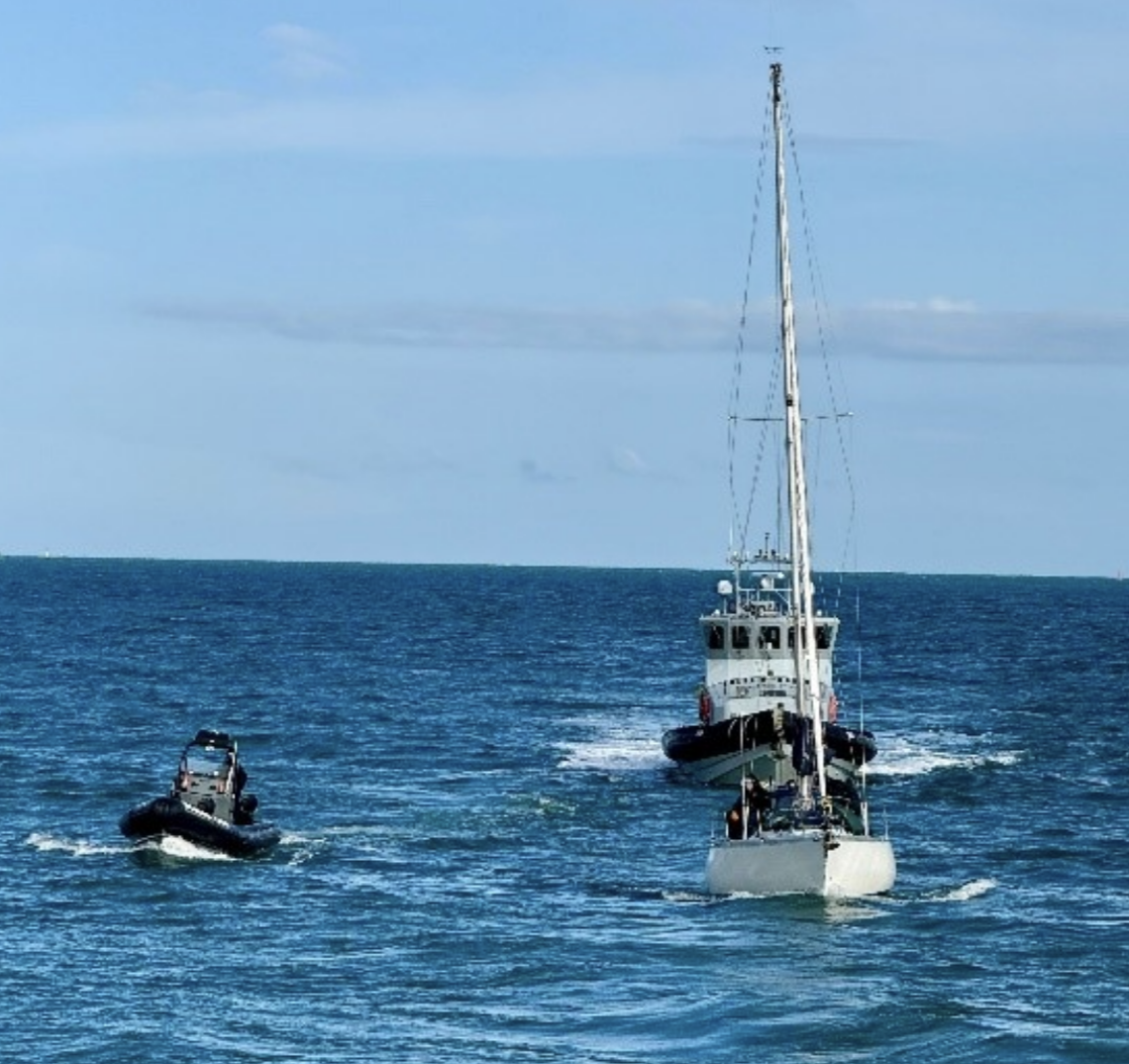
A significant international maritime dispute has erupted as Turkey steadfastly refuses to permit two British Royal Navy mine-hunter ships, destined for Ukraine, to traverse its waters. This move comes in direct response to Britain’s announcement last month of its intention to transfer the vessels to bolster Ukraine’s naval capabilities amid the ongoing conflict with Russia.
Through its presidency’s communications directorate, Turkey has declared that these ships will be denied access to the crucial Bosphorus and Dardanelles straits, both of which serve as vital passageways connecting the Mediterranean and Black Seas. Turkey cites the 1936 Montreux Convention as the basis for this decision, asserting its impartial and meticulous implementation.

The Montreux Convention, invoked by Turkey at the outbreak of hostilities in 2022, places restrictions on the passage of military vessels through the straits during times of armed conflict. This action is seen as a preventative measure aimed at averting further military escalation within the Black Sea region. Turkey has underscored its unwavering commitment to maintaining neutrality and adhering to the provisions of the convention, which are intended to safeguard regional stability.
The refusal to allow British Royal Navy ships to pass through these straits has provoked widespread international debate and concern. The British government maintains that the vessels’ intended transfer to Ukraine is aimed solely at enhancing the country’s defensive capabilities and is not intended as an act of aggression towards any party.
As tensions escalate and diplomatic discussions continue, the maritime dispute highlights the complex geopolitical dynamics at play in the Black Sea region. It remains to be seen how this impasse will be resolved and its potential ramifications on the broader regional conflict between Ukraine and Russia.