Black Hole Blasts Gas at Insane Speeds!
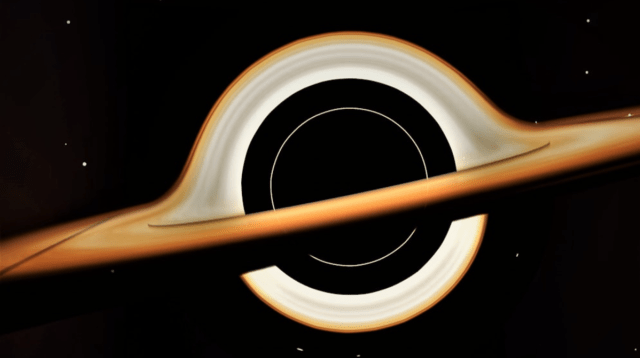
Astronomers at the University of Wisconsin-Madison have uncovered a cosmic speed demon: gas clouds blasted out from a distant galaxy at over 10,000 miles per second. The culprit? Intense radiation storms fired from a supermassive black hole at the galaxy’s heart.
The Quasar Powerhouse
The study, unveiled at the American Astronomical Society’s 244th meeting, zoomed in on a quasar – a raging supermassive black hole wrapped in a swirling disk of matter. Led by Dr. Catherine Grier and new grad Robert Wheatley, the team studied quasar SBS 1408+544, located billions of light years away in the constellation Boötes.
“Quasars are incredibly luminous,” said Dr. Grier. “The black hole’s gravity heats swirling matter, unleashing radiation across the entire electromagnetic spectrum.”
This dazzling brilliance lets astronomers peer deep into the early universe.
Racing Gas Winds From the Abyss
The team tracked furious carbon gas winds, pushed outward by the quasar’s radiation, using eight years of data from the Black Hole Mapper Reverberation Mapping Project. These winds rocket away from the galactic core at record-breaking speeds.
“Material spirals into the black hole, heating up in the process. This sears the disk and drives powerful winds that fling gas outward,” explained Mr Wheatley.
Black Holes Shape Galaxies
This discovery sheds light on how black holes sculpt their galactic homes. Their powerful winds can either spark a boom in star birth or brutally halt it.
“Our findings show a fierce tug-of-war between black holes and their galaxies,” said Dr. Grier. “These winds carry crucial clues about how galaxies evolve over billions of years.”
As astronomers decode quasars, they’re peeling back the curtain on the universe’s grandest dramas — one blazing black hole at a time.