Massive 7.3 Quake Triggers Tsunami Panic in Alaska Coastal Towns
A powerful 7.3-magnitude earthquake rocked the remote waters just south of Sand Point, Alaska, on Wednesday evening. The tremor sparked an urgent tsunami warning, forcing residents in several coastal communities to flee to higher ground in a dramatic scramble for safety.
Sirens Wail as Residents Race Inland
The quake struck 54 miles south of Sand Point on Popof Island, setting off emergency sirens and broadcasts. The National Weather Service (NWS) blasted out urgent alerts commanding people in Cold Bay, Kodiak, and Sand Point to evacuate immediately.
Social media was flooded with harrowing clips showing locals dashing from the shoreline. Some clips even captured the terrifying retreat of ocean waters—a classic warning sign of a tsunami on the way.
Officials urged residents to seek higher ground or move at least one mile inland, warning the first wave might not be the worst.
“Tsunami advisories mean that a tsunami capable of producing strong currents or dangerous waves is expected, but widespread flooding is not,” said the NWS. “Currents may be hazardous for hours.”
Thankfully, the initial tsunami “imminent” warning was later downgraded to an advisory.
No Major Damage but Aftershocks Rattle Nerves
By 11:15 pm local time, no casualties or significant damage had been reported. But officials remain on high alert, still assessing the rugged, sparsely populated region.
The US Geological Survey (USGS) recorded several aftershocks following the main quake, keeping nerves frayed across the Alaskan coast.
Who’s Affected? Who’s Safe?
The tsunami alert impacted key communities including:
- Sand Point
- Cold Bay
- Kodiak
- Unimak Pass area
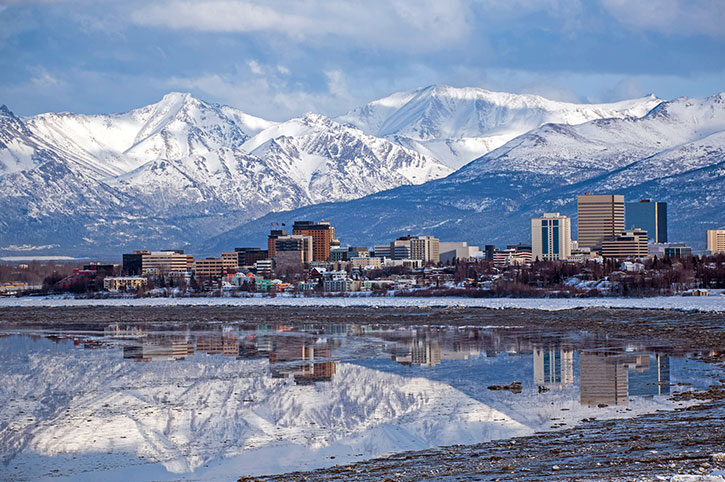
Meanwhile, residents in the Kenai Peninsula Borough, near Anchorage, were given the all-clear, declared safe from any tsunami threat.
Stay Alert: Official Advice for Residents
The Alaska Earthquake Center and National Weather Service continue to monitor seismic activity. Locals are urged to:
- Stay clear of beaches and harbours
- Follow official news updates and alerts
- Prepare for possible new evacuation orders or tremors
For live updates, residents can follow @NWS_NTWC and their local emergency services on social media, or tune in to NOAA Weather Radio.
If you’re in a tsunami advisory area, do NOT enter the water. Dangerous currents could linger for hours.