Phishing emails just got a serious upgrade. Cybersecurity experts warn that the days of obvious, clumsy scams are over.
Now, fraudsters armed with stolen Booking.com data are launching hyper-targeted attacks so detailed that even savvy travellers get fooled.
Thousands Hit as Booking.com Leak Exposes Personal Travel Details
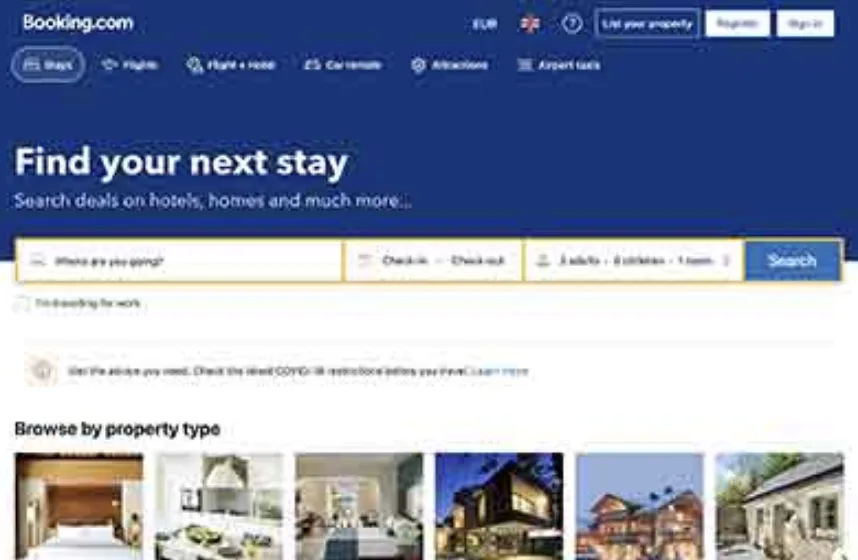
This week, Booking.com confirmed a security breach that exposed customer names, emails, phone numbers, booking information, and details shared with third parties. The travel giant scrambled to alert users and changed reservation PINs to stem the fallout.
“The real risk here isn’t just the breach itself; it’s what comes next,” said Chris Skipworth, CEO of Passpack. “Attackers use your exact hotel, check-in date, and booking ref to craft near-perfect scams.”
Booking.com hosts over 28 million properties worldwide but refused to say how many accounts were compromised.
Financial info and addresses weren’t leaked, they claim. Still, experts warn that even “basic” stolen data can power foolproof fraud attacks disguised as genuine customer messages.
Why Real Booking Details Make Scams Deadly
- Details fool travellers: Scammers now imitate real confirmations, using genuine hotel names, dates, and booking numbers.
- False confidence: Accurate info tricks victims into trusting malicious requests.
- Urgency exploited: Criminals pressure travellers to act fast before trips, limiting time to spot fakes.
Luis Corrons, security evangelist at Gen, warned: “Fraudulent messages look like normal booking updates or customer service requests.
But even legit-looking messages asking for payment info or quick actions can be traps.” Skipworth added, “If you get a booking problem alert days before your flight, you’re inclined to react immediately—that’s what scammers bank on.”
Scam Risks Run Far Beyond Phishing
The leaked info lets crooks impersonate Booking.com staff, hotels, or other travel services. They can send urgent account alerts, fake payment requests, or bogus booking issues designed to steal more info or money.
Vonny Gamot from McAfee said scammers “will pose as Booking.com offering help to recover your account, tricking victims in the chaos.”
The fallout doesn’t stop at travel. Email addresses and numbers stolen can target banking, shopping, and social media accounts linked to the same contacts—with attacks timed for high-stress travel moments.
How to Shield Yourself From Travel Scam Madness
- Don’t click links or call numbers in unexpected messages. Instead, open Booking.com or your hotel website directly.
- Verify independently. Check your booking status via official apps or trusted hotel contacts.
- Stay alert for urgent requests. Scammers thrive on pressure; pause and confirm before acting.
- Change passwords immediately. Enable two-factor authentication on email, banking, and shopping accounts.
- Use scam detection tools. Services like McAfee’s Scam Detector can spot tricky phishing attempts.
- Monitor bank and credit card statements closely. Set up real-time alerts for suspicious activity.
Booking.com advises installing antivirus software and promises to bolster security.
But experts say travellers must stay vigilant as this breach triggers a new wave of sophisticated scams that prey on the trust built by legitimate, accurate booking details. Remember: When it comes to travel bookings, if a message demands quick action, stop and check it out properly.
Your holiday could depend on it.