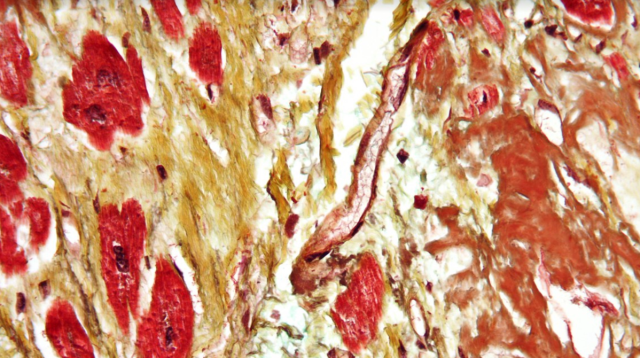
Researchers at The University of Texas at El Paso (UTEP) have made significant strides in...

Published: 5:20 pm June 9, 2024
Updated: 11:55 am October 8, 2025
Nanoparticles Show Promise in Treating Skin and Lung Fibrosis

Researchers at The University of Texas at El Paso (UTEP) have made significant strides in developing a novel therapeutic approach for treating skin and lung fibrosis. These conditions, characterised by the thickening and stiffening of tissues, can lead to severe damage in affected organs. Led by Dr. Md Nurunnabi, an associate professor in UTEP’s School of Pharmacy, the team’s findings offer hope for improved treatments that could enhance the quality of life for affected individuals.

Understanding Fibrosis

Fibrosis occurs when the connective tissues within an organ become abnormally thick and rigid. This condition can have serious consequences, such as reduced lung function or narrowed blood vessels leading to high blood pressure. Dr. Nurunnabi explains that during his postdoctoral training, he became intrigued by fibrosis and its impact on health. The COVID-19 pandemic further highlighted the importance of understanding fibrosis, as many patients were succumbing not directly to the virus but due to inflammation and fibrosis in their lungs.

Targeting Specific Cells with Nanotechnology

The UTEP research team focused on designing nanoparticles capable of selectively targeting the cells responsible for fibrosis development and progression. Unlike traditional approaches that aim to kill off problematic cells, the team’s strategy involved modifying these cells to prevent excess collagen production. Collagen overproduction is a hallmark of fibrosis. By rehabilitating the cells rather than eliminating them, the researchers achieved promising results.

In Vitro and In Vivo Studies

The studies were conducted both in vitro (in the test tube) and in vivo (using mice models). The nanoparticles successfully disrupted the fibrosis process without harming healthy cells. This breakthrough brings us closer to a safe, effective, and reliable treatment for fibrosis-related conditions.

Hope for the Future

Dr. José Rivera, founding dean of UTEP’s School of Pharmacy, emphasises the significance of this research. Whether fibrosis is acute or chronic, its impact can be devastating. Dr. Nurunnabi’s findings offer hope for increased life expectancy and improved quality of life for those affected. The collaborative efforts between UTEP, the National Institutes of Health, and Baylor College of Medicine, along with support from the National Scleroderma Foundation, underscore the importance of advancing fibrosis treatment.

We are your go-to destination for breaking UK news, real-life stories from communities across the country, striking images, and must-see video from the heart of the action.

Follow us on Facebook at for the latest updates and developing stories, and stay connected on X (Twitter) the for live coverage as news breaks across the UK.

SIGN UP NOW FOR YOUR FREE DAILY BREAKING NEWS AND PICTURES NEWSLETTER

Your information will be used in accordance with our Privacy Policy

YOU MIGHT LIKE