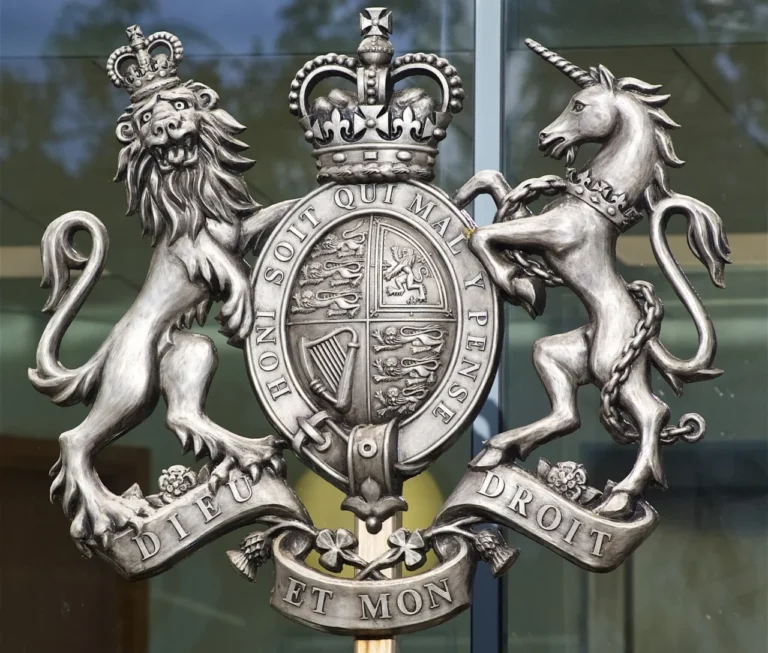
Sir Keir Starmer pulls Parliament back on a Saturday to slam emergency laws through and stop the closure of British Steel’s Scunthorpe plant — the UK’s last virgin steel maker.
Steel Crisis Sparks National Emergency
Chinese owner Jingye has reportedly stopped ordering key raw materials, sparking fears the plant might shut down. This puts 3,000 jobs directly at risk plus thousands more across the supply chain. The government’s Steel Industry (Special Measures) Bill aims to give ministers the power to step in and keep the furnaces alive.
Starmer called the situation a “national emergency.” He told MPs:
“I’ve been to Scunthorpe. I’ve met the steelworkers. Steel matters — not just here, but for the whole country.”
“All options are on the table,” he added, hinting that nationalisation is possible but the priority is to keep the furnaces running.
Why Scunthorpe Steel Matters
The Scunthorpe plant is key to the UK’s steel supply for big projects in infrastructure, transport, and defence. Its closure would end the UK’s ability to produce virgin steel, making us reliant on imports and threatening Starmer’s ambitious Plan for Change, which includes massive green and public infrastructure investment.
Jingye previously turned down a government offer of £500 million to help shift the plant to greener electric arc furnace tech — making the crisis worse.
Mixed Public and Political Reactions
Social media users are split. One tweeted: “Starmer’s stepping up for British workers — about time!” Others warned it might only be a short-term fix: “You can’t legislate away decades of decline.”
Union boss Sharon Graham of 1 welcomed the move:
“Absolutely the right thing to do. Steel must be treated as critical national infrastructure — this can’t happen again.”
Opposition voices want a long-term plan. Liberal Democrat leader Sir Ed Davey called for “a sustainable plan” for steel. Plaid Cymru’s Liz Saville Roberts slammed Labour’s “inconsistent” backing, pointing to its hands-off approach during Tata Steel’s Port Talbot cuts.
Big Challenges Loom
While the bill offers quick protection, Jingye’s refusal to cooperate questions the road ahead. Nationalisation could cost the taxpayer hundreds of millions — a hot debate heating up Westminster.
Conservative Kemi Badenoch urged caution:
“Nationalisation must be a last resort. We must invest in UK steel’s future without making taxpayers foot the bill for private failures.”
Environmental hurdles remain. The shift to green steel is costly and slow, with no quick fixes.
At a Crossroads for British Steel
The crisis underlines the UK’s ongoing industrial decline. Steel output in the UK has dropped faster than any other G20 country over the last decade, analysts say.
Starmer’s bold move sends a signal: the government will now fight to protect strategic industries using state powers, bucking earlier trends.
What’s Next?
Parliament is locked in today, with the Commons convening at 11 a.m. and the House of Lords at noon, racing to fast-track the Steel Industry Bill. If it passes, ministers will get the tools to keep the furnaces blazing and potentially take control or find new operators.
For the thousands working at Scunthorpe, today’s vote could mean the difference between job security and ruin.