Thames Water, Britain’s largest water company, has issued a stark warning that it will run out of money by the end of May 2025. The heavily indebted company, burdened by more than £15 billion in debt, is urgently seeking fresh funding to avoid financial collapse.

On Tuesday, Thames Water revealed that its cash reserves had dwindled to £1.8 billion by the end of June, a significant decrease from £2.4 billion just three months earlier. The company is actively looking for new funds to maintain and update its infrastructure after investors withdrew £500 million of emergency cash earlier this year.

Chief executive Chris Weston stated that the company had taken “informal soundings which have shown there is interest in the market,” and that Thames Water is considering a “broad church” of potential investors, including existing shareholders.
If we fail to act now, we face the collapse of the criminal justice system, and a total breakdown of law and order,” Weston warned.

The financial instability of Thames Water poses a significant challenge for Sir Keir Starmer’s newly elected Labour Government. Reports indicate that a blueprint codenamed Project Timber is being prepared in Whitehall, which could see the company effectively nationalised if its parent company fails. Under these plans, Thames Water would be placed in a form of special administration.
Weston emphasized that it is “not in the interests” of customers or investors for the company to fall into government hands. Communities Minister Jim McMahon acknowledged the need for reform and stricter regulation, criticizing the water industry’s management over the past 14 years. However, he clarified that there is “no programme of nationalisation for the water industry.”
“There is no provision in law for a water company to stop providing water,” McMahon said, adding that there is always a contingency plan in place to ensure continuous water supply.
Thames Water’s financial update comes ahead of a draft verdict from Ofwat on Thursday regarding water companies’ five-year spending plans and bill increases until 2030. This will initiate six months of negotiations with Ofwat, leading up to its final decision in December.
In April, Thames Water proposed plans to increase spending to £19.8 billion to update its infrastructure and reduce sewage spills. However, this plan also involves a 44% increase in customer bills, which has drawn backlash from consumer groups.
The process of securing new funding is expected to continue until after Ofwat’s final decision on Thames Water’s business plan in December. Any proposed increase in bills is likely to be met with public anger, especially given the recent environmental scandals involving Thames Water and other water companies.
The company reported an increase in pollution incidents to 350 this year, up from 331 last year, attributing the rise to a rainier-than-expected year. Despite this, the number of “serious pollutions” decreased by 18%.
When questioned about the issue, Weston remarked, “You might not like the answer, but rain has a big impact on spills.”
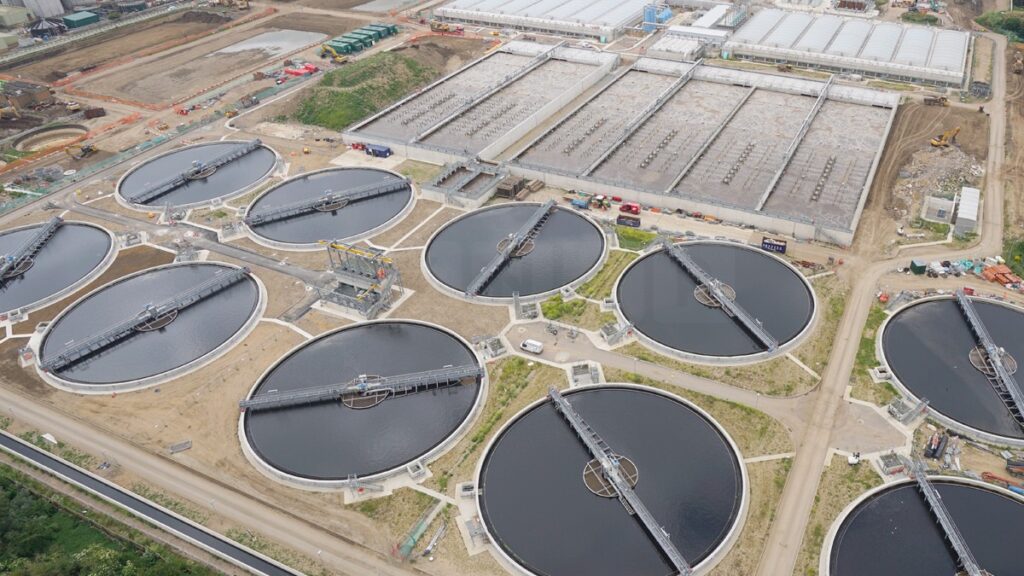
Amidst these financial and environmental challenges, reports indicate that Sir Keir Starmer has been briefed on the critical risk posed by the poor state of Thames Water’s physical infrastructure, which is essential for providing drinking water and sewage treatment in London and the Thames Valley.
The Prime Minister’s official spokesman reiterated the government’s commitment to holding failing water companies accountable. “The Government has said in its manifesto that we will put failing water companies into special measures and they will have no choice but to clean up their act,” the spokesman said.