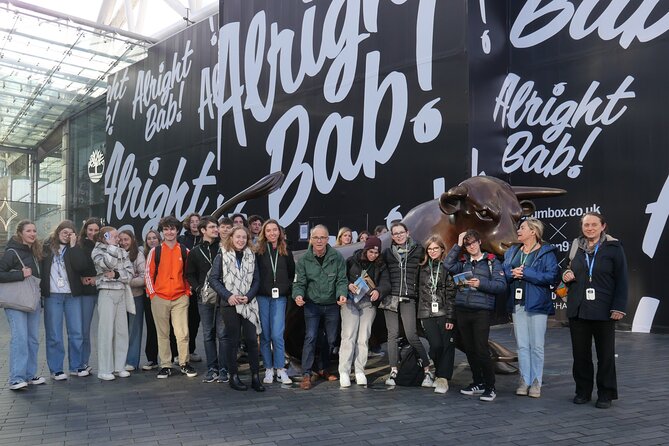
It was a surprisingly warm Saturday afternoon in Birmingham, the kind where the sun breaks through the usual grey and makes the city feel almost Mediterranean. I’d come into Digbeth on a whim — heard something about a street art festival on social media, nothing formal, just a few Instagram stories with colourful murals and the hashtag #DigbethTakeover. No tickets, no schedule, just “come and see.”
I turned off the High Street into a narrow alley I’d walked past a hundred times without noticing, and suddenly the city changed.
What That Festival Meant for Birmingham That Day
Birmingham has always worn its industrial heart on its sleeve — brick warehouses, canals, graffiti that’s been there so long it feels like heritage. But in recent years, Digbeth has become the beating centre of the city’s creative revival. That afternoon’s festival wasn’t organised by the council or a big sponsor. It was artists, locals, small businesses, and random passers-by deciding the streets should belong to colour for a day.
No barriers, no security, no corporate branding. Just paint, music, food smells, and people — lots of people — who normally rush past each other now stopping, talking, taking photos together.
It brought together:
- Young families pushing prams, stopping to let toddlers touch fresh paint (still wet).
- Older Brummies reminiscing about when these warehouses were factories.
- Students from the universities, phones out, capturing every angle.
- Recent arrivals to the city, finding a welcome in shared wonder.
- Even suited business types who’d wandered over from the Bullring on their lunch break.
For a few hours, class, background, accent — none of it mattered. The art did the talking.
How That Afternoon Unfolded in Digbeth’s Streets
The day flowed without a plan, and that was the beauty of it.
- Artists volunteered time and paint.
- Local businesses donated food or space.
- Residents brought chairs, speakers, enthusiasm.
- Social media did the promotion — organic, word-of-mouth.
The council stayed hands-off — a quiet nod of approval.
Was That Day Really Special?
Yes — in a divided world, a few streets in Birmingham proved people still crave shared joy when someone creates the space for it.
Did It Change Anything Long-Term?
Small things — neighbours who now wave, artists with new commissions, plans already forming for next year.
Can Any City Do This?
Absolutely — all it takes is paint, permission (or forgiveness), and people willing to show up.
Pros and Cons of Grassroots Street Festivals
Pros
· Zero or low cost
· Genuine community building
· Celebrates local talent
· Inclusive by nature
· Creates lasting memories
· Boosts area pride
Cons
· Weather dependent
· Clean-up needed
· Potential noise issues
· Limited facilities
Pros overwhelmingly carried the day.
Final Reflection: Honest Take on That Birmingham Afternoon
Walking home as the sun set, paint still fresh on some walls, music fading behind me, I realised something simple: cities don’t need massive events to feel alive. Sometimes all it takes is a few cans of paint, some shared food, and the willingness to let strangers become part of your story for an afternoon.
Digbeth didn’t just get new art that day. It remembered how to be a neighbourhood.
If you ever see a handwritten sign saying “Street Art Day — Come Join,” don’t walk past. Some of the best afternoons start exactly like that.
FAQ Section
Was it an official festival?
No — completely grassroots, community-led.
Safe for families?
Very — alcohol-free zones, kids everywhere.
Will it happen again?
Already planning for next year, bigger and still free.