NHS Covid Pass Set to Become Mandatory at Venues from September?
The NHS Covid Pass, often dubbed the ‘vaccine passport’, is making a comeback. Some venues and events in England are being encouraged to require it for entry. There are even plans to make it law by the end of September, demanding proof of two vaccine doses to get in.
What Exactly Is the NHS Covid Pass?
Simply put, the NHS Covid Pass is proof of your Covid-19 vaccination or test status. It shows if you’ve had the full course of vaccines, a recent negative test, or natural immunity from having Covid.
- Two weeks after completing your vaccine course
- Negative PCR or rapid lateral flow test within 48 hours
- Proof of natural immunity lasting 180 days after a positive PCR test
Since children under 18 aren’t generally vaccinated, they don’t need to show a pass anywhere.
How Do You Get Your Covid Pass?
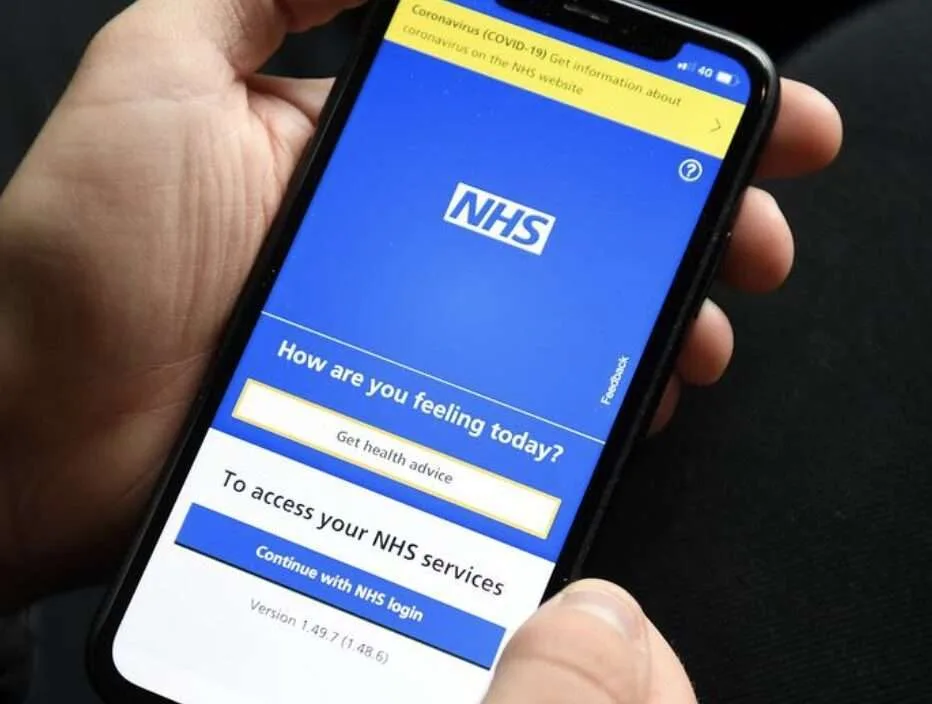
If you have a smartphone, just hop onto the NHS App (different from the NHS Covid-19 app) and log in. The NHS Covid Pass option is on the home page. You’ll get a barcode with an expiry date that refreshes every time you log in, so don’t rely on printed copies too far in advance—they might expire.
You can also get your pass from the NHS website. Not a phone user? Call 119 or order a paper version by post—it only shows your vaccination status and doesn’t expire.
Where Will You Need to Show It?
Some places and events may ask for your Covid Pass, especially if they’re:
- Crowded indoor venues like nightclubs or music spots
- Large outdoor festivals or business events
- Huge structured events like sports or music stadia
It’s also often needed for international travel, depending on your destination.
Is Showing the Pass Compulsory? Can You Get Turned Away?
Right now, using the pass is voluntary for businesses. However, the Government is pushing for a law by the end of September making two vaccine doses compulsory to access certain venues, including nightclubs.
But don’t worry about discrimination. Lawyer Stephanie Hayden told 1, “It would be unlawful for venues to refuse access to people who can’t get vaccinated for health reasons, like disabilities.”
Pros and Cons of the Covid Pass
Data confirms that vaccinated people are far less likely to get seriously ill. Passport systems aim to keep venues safer by ensuring attendees have protection. That reduces hospitalisations and keeps events running smoothly.
But there’s a flip side. Professor John Drury from the University of Sussex warned to 1, “Young people, deprived communities, and ethnic minorities are less likely to be vaccinated. These groups risk being excluded by passport requirements.”
Are Covid Passports Here to Stay?
Ultimately, Westminster will decide. Prof Drury believes the public will back passports if they have a “limited application” and aren’t permanent.
“People support vaccine passports when they’re tied to specific purposes. But long-term use? There’s little public enthusiasm for that,” he told ITV.
For now, keep your NHS Covid Pass handy — it might soon be a part of everyday life again.