Police Response to 2024 Riots Deemed “Entirely Appropriate” by Home Affairs Committee
The UK’s Home Affairs Committee has slammed claims of biased policing during the 2024 summer riots, declaring the police response “entirely appropriate.” The violent unrest followed the tragic murder of three young girls in Southport and sparked months of nationwide chaos.
Tragedy Sparks Nation-Wide Violence
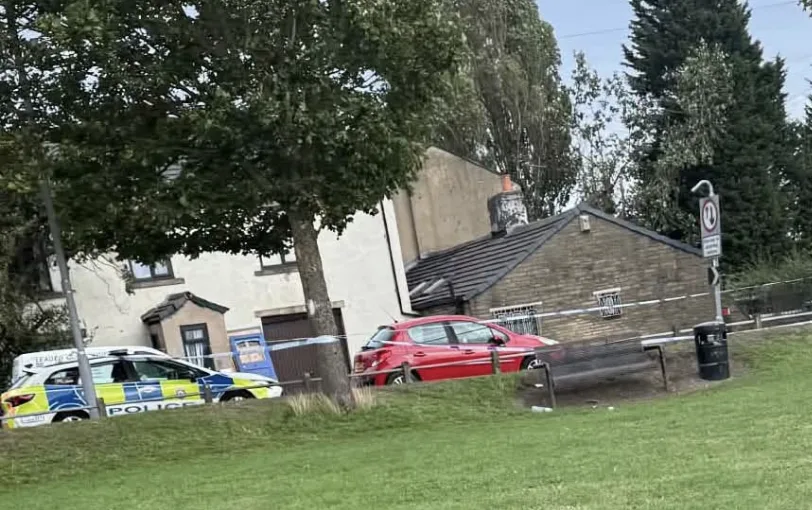
On July 29, 2024, three girls aged 6 to 9 were fatally stabbed at a Taylor Swift-themed dance class in Southport. The horrific crime, involving Bebe King, Elsie Dot Stancombe, and Alice da Silva Aguiar, triggered a wave of unrest. False social media claims wrongly accused an asylum seeker, igniting anti-immigration protests that quickly spiraled into violent riots.
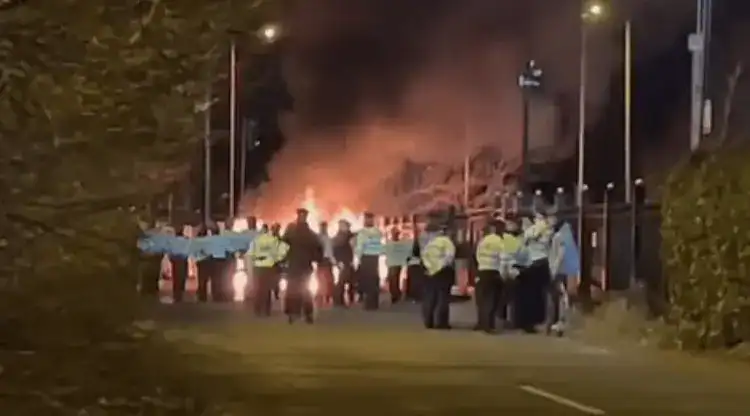
- 246 public order events erupted across the UK
- 88 were classified as significant incidents
- Attacks targeted mosques, refugee housing, and police officers
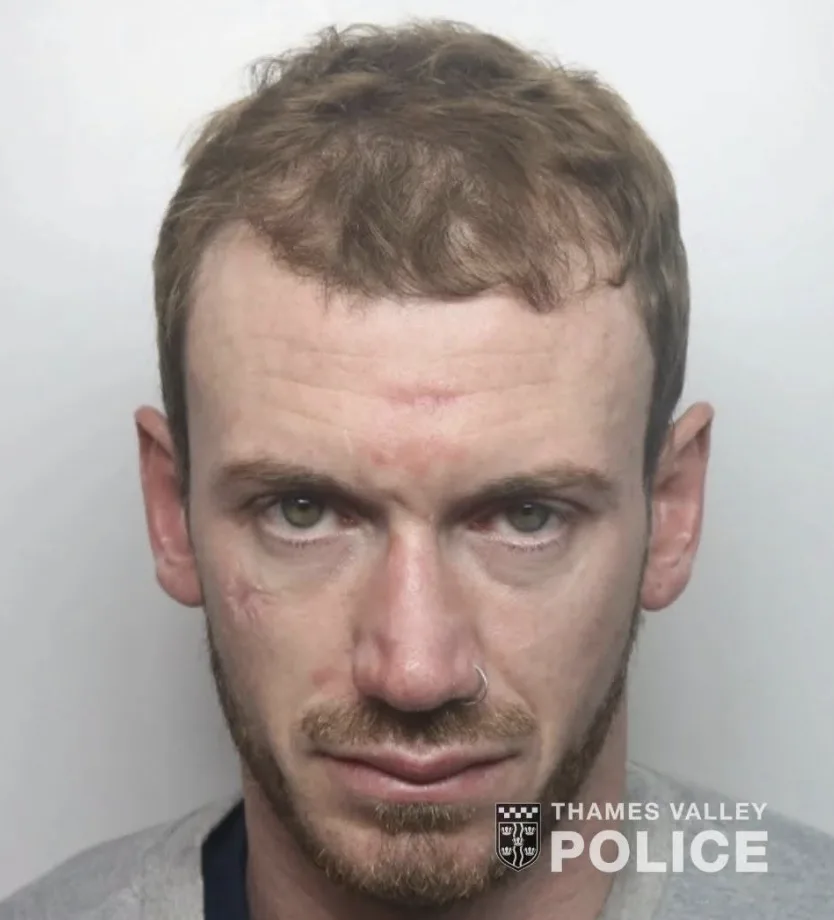
- By January 2025, 1,804 arrests with 1,072 charges mainly for violent disorder and arson
Committee Praises Police Bravery but Flags Flaws
Led by Dame Karen Bradley, the committee slammed “two-tier policing” claims, firmly stating:
“This was not protest. Those involved were policed due to violence, not political views.”
The report highlighted a massive police effort with over 44,000 public order shifts between August 1–18, staffed mostly by riot-trained officers. Cutting-edge tactics like facial recognition, drone footage, body cameras, and social media analysis helped secure convictions.
However, it also exposed key intelligence failures. Poor monitoring of social media and dark web activity left some local forces unprepared, putting officers at “significant risk.”
Top Cop Welcomes Report, Warns on Preparedness
Chief Constable BJ Harrington praised the report and the bravery of frontline officers, saying:
“The review rightly honours officers’ efforts but exposes vital lessons on preparedness and coordination.”
The riots cost over £28 million. A staggering 302 officers were injured, with 69 hospitalised. Police unions demand better recruitment, mental health support, and upgraded protective gear.
Misinformation Fuels Chaos, Legal Limits Hamper Response
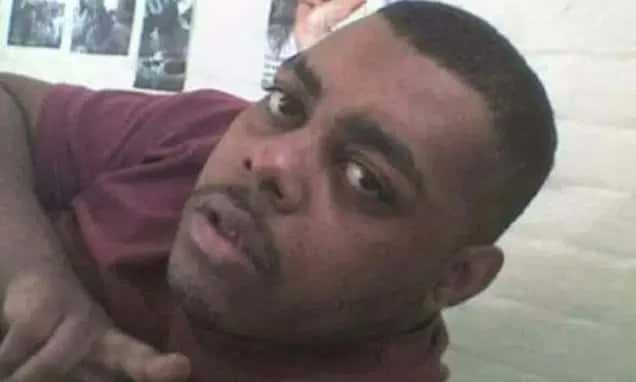
The report slammed viral misinformation about suspect Axel Rudakubana for escalating tensions. Legal barriers like the Contempt of Court Act 1981 prevented police from swiftly correcting false narratives.
The Law Commission is now reviewing legislation to balance public safety and judicial fairness amid viral disinformation. MPs also urged the Crown Prosecution Service to update outdated media guidance to better fight false online claims.
Public Divided on Police and Sentencing
A YouGov poll found 63% of Brits backed police handling of the riots, up from 52% amid the unrest. But 60% think riot sentences were too soft and want harsher punishments.
Social media is split. One viral post hailed officers’ bravery:
“Officers risked their lives to protect communities. They deserve our thanks, not attacks.”
Others slammed systemic failures, calling for urgent reforms around immigration, policing, and community trust.
Calls for Reform to Stop Future Riots
The committee demands major improvements to cope with future crises:
- Better national policing and mutual aid coordination
- Boosted officer recruitment and retention
- Enhanced mental health and resilience support
- Upgraded social media and intelligence monitoring
Dame Karen Bradley concluded bluntly:
“The 2024 riots exposed serious flaws in policing and justice in the digital age. We must learn these lessons now to protect the future.”
As the UK moves on from the summer of chaos, this report stands as a tribute to brave officers—and a wake-up call to overhaul a system stretched to breaking point.