An Islamist terrorist involved in a foiled plot to blow up the London Stock Exchange was permitted to remain in Britain despite his asylum claim being rejected.
Shah Rahman’s Dangerous Past
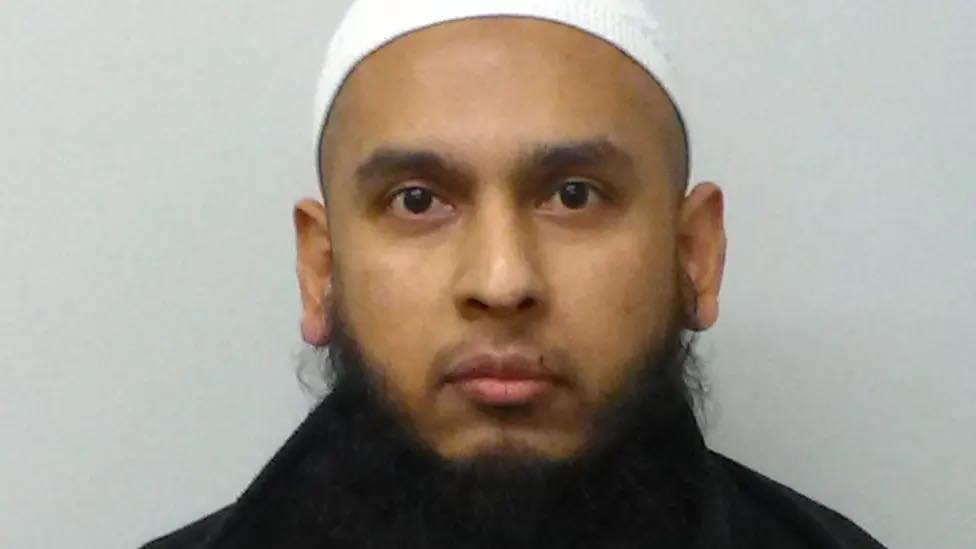
Shah Rahman, a Bangladeshi national, was jailed in 2012 alongside three other extremists for plotting the London attack. After serving time, he applied for asylum in 2017—the same year he was released on licence. His asylum claim was denied under the Refugee Convention, which bars terrorists and serious criminals from refugee status.
Yet, Rahman was still granted restricted leave to remain in the UK. The court ruled he couldn’t be deported to Bangladesh due to fears of torture or inhuman treatment, citing Article 3 of the Human Rights Convention.
Wife’s ISIS Links Spark New Security Fears
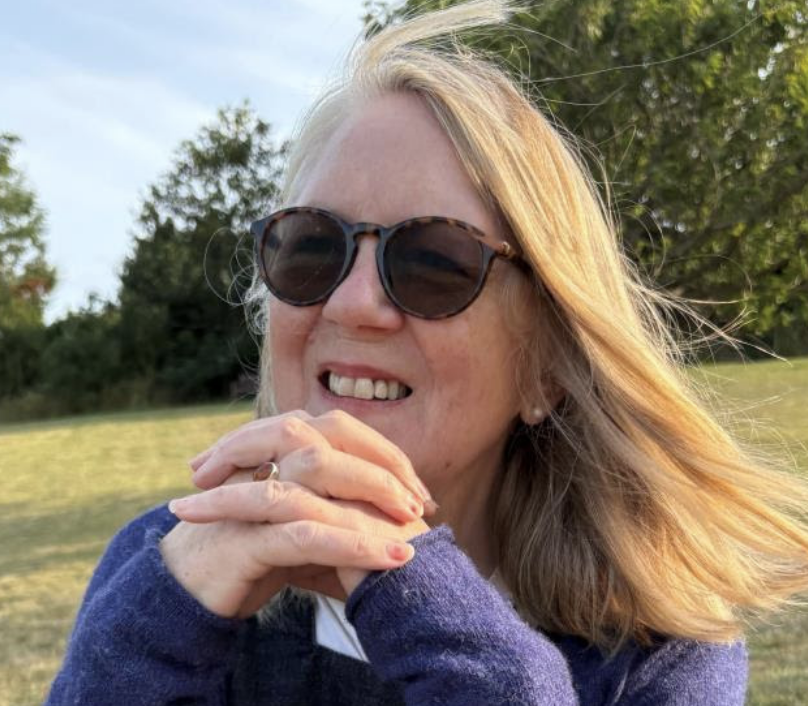
The case unravelled further after Rahman’s wife, Parveen Purbhoo—a Mauritian citizen—came under scrutiny. The couple married at an East London mosque in June 2019.
After initial visa refusal, she was later granted entry clearance. But in August 2021, border officers at Heathrow found ISIS-related videos and jihadist propaganda on her phone. Despite this, she entered the UK and lived with Rahman until his arrest in 2022.
“She appeared very blasé about having them on her mobile,” a police report revealed.
“She could not remember where or how they got there. She admitted that she wanted to learn more about it and the atrocities.”
Legal Fallout and Permanent UK Ban
Rahman was recalled to prison in February 2022 after being convicted for failing to notify probation about a mobile phone, email, and bank account. He admitted using the illegal phone to contact Purbhoo and have private video calls.
A forensic psychology report concluded that Purbhoo was “complicit” in Rahman’s breaches. In 2023, former Home Secretary Suella Braverman permanently excluded Purbhoo from the UK. The courts upheld the ban, refusing her right to appeal.
“The applicant was complicit in Mr Rahman’s unlawful breach of notification requirements; and she has not provided an explanation for the Islamist material on her phone,” the judges said.
“Her willingness to put her own interests above legal processes is troubling and risky.”
The Special Immigration Appeals Commission (SIAC) found Purbhoo to be a “national security risk” and ruled the exclusion decision as proportionate.