Close Call at Farnborough North Station Footpath Crossing
On the morning of Thursday 19 May 2022, 144 pedestrians—mostly young school and college students—faced a tense moment at Farnborough North station. They were waiting to cross the railway via a footpath level crossing on the east side of the tracks. With no footbridge or subway available, users routinely had to wait behind locked pedestrian gates until trains passed.
Chaos as Another Train Approaches
After their train left, warning lights turned green and the audible alarm stopped, signalling it was safe to cross. A crossing attendant unlocked the gates remotely, and the crowd began crossing, holding gates open for each other. But halfway across, the warning lights flashed red again—another train was speeding in.
The attendant locked the gates, but the group kept pushing through. Only when the attendant rushed out to physically close the gate did the crowd stop. The train driver spotted the pedestrians on the crossing, slammed the emergency brakes, and blasted the horn. Luckily, everyone was clear before the train passed.
Risky Crossing with a Troubled History
Network Rail acknowledges Farnborough North footpath crossing as high-risk. Limited sight lines, heavy foot traffic, and past safety incidents have spurred upgrades over the years. In 2013, extra warning lights were installed, and a crossing attendant with lockable gates was added as a temporary fix while plans were made for a permanent footbridge.
But RAIB’s probe revealed Network Rail hadn’t trained attendants well enough to manage ongoing risks. Delays in planning permission—due to land ownership issues and site constraints—have stalled the long-awaited footbridge project for years.
Safety Recommendations and Official Comments
RAIB has issued two urgent recommendations to Network Rail: improve risk assessments at risky footpath crossings, and set formal competency standards for crossing attendants. They also stressed the importance of steady managerial oversight on long-term projects involving multiple stakeholders.
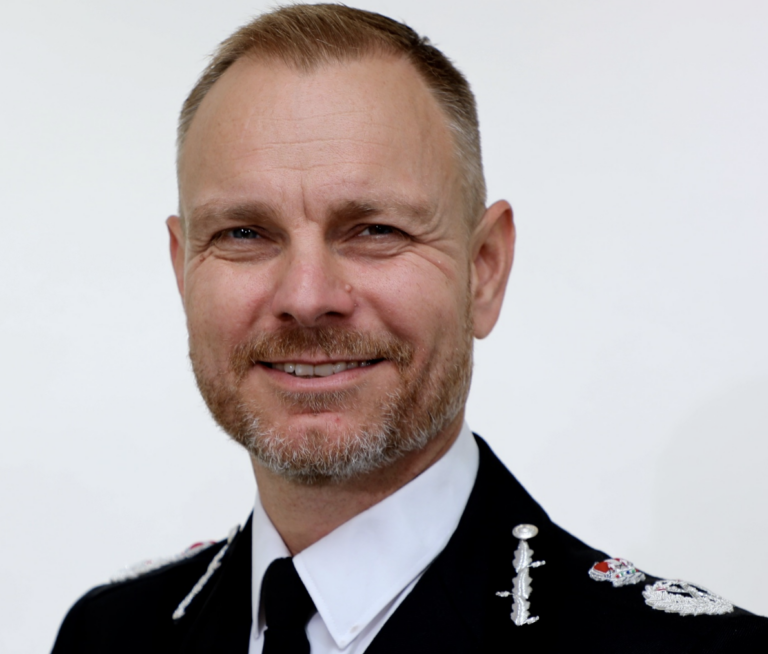
Andrew Hall, Chief Inspector of Rail Accidents, said:
“This incident was especially serious because large groups of young people were crossing ahead of a speeding train. A disaster was narrowly averted thanks to the quick action of the crossing attendant who physically closed the gate the students were holding open.
Network Rail has long known of the risks and has tried to replace the crossing with a footbridge. But delays in planning made interim measures like extra lights and gate locks necessary. Unfortunately, those measures weren’t foolproof. Here, users ignored warnings and held gates open for each other just as the train approached.
Leaving a known risk unattended for so long raises the chance of accidents. Farnborough North is a stark lesson in why swift action is vital when it comes to railway safety.”