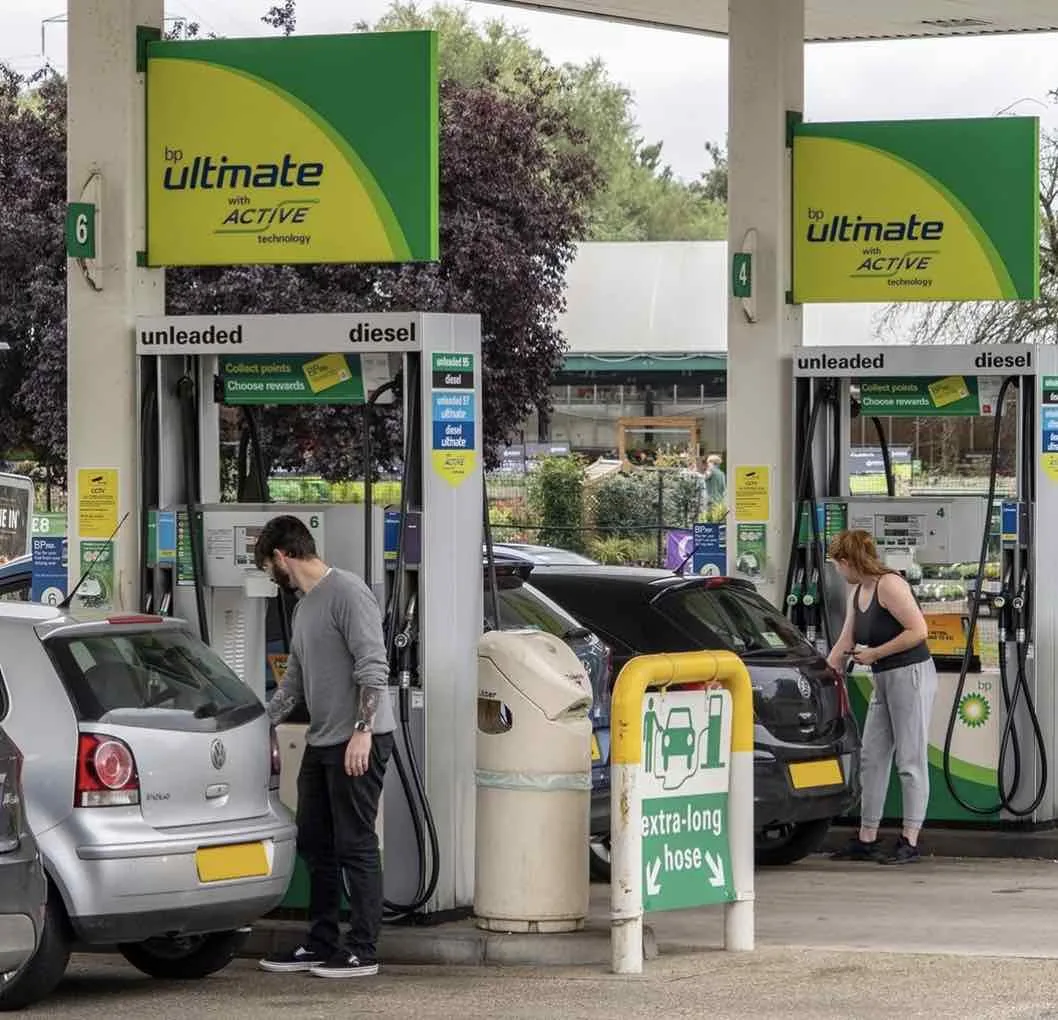
British drivers finally caught a break on Thursday as petrol prices inched down by 0.2p per litre and diesel fell 0.3p. These tiny drops ended 46 gruelling days of relentless price hikes that have drained a staggering £1.3 billion from motorists since the Iran conflict flared up in late February.
The Numbers: Petrol and Diesel Prices Edge Lower
- Average petrol price slipped to 158.1p from 158.3p per litre.
- Diesel dropped from 191.5p to 191.2p per litre.
The reductions are barely noticeable at the pumps but mark a psychological turning point. For weeks, soaring costs followed Iran’s closure of the Strait of Hormuz after US and Israeli strikes, sending crude oil prices soaring.
Iran’s Strait of Hormuz Signal Sparks Price Plunge
On Thursday, Iran claimed the crucial shipping lane remains “completely open” during a ceasefire period. The news sent crude oil prices tumbling to $91 a barrel, down from triple-digit highs.
However, uncertainty remains. One-fifth of the world’s oil typically passes through this waterway, but fears around insurance and ongoing geopolitical tensions could delay a full return to normal shipping.
RAC: ‘Glimmer of Light’ But Long Road Ahead
“After 46 days of rising prices, the cost of both petrol and diesel has finally dropped very slightly. Wholesale prices are lower, so we hope to see further cuts in the coming days,” said RAC head of policy Simon Williams.
“Drivers will be relieved but petrol is still 25p and diesel 49p more expensive than before the conflict started. It’s a glimmer of light, not a full turnaround.”
Nearly 30% of drivers have shifted to walking or cycling to dodge sky-high fuel bills – a worry for long-term fuel demand.
Government Rakes in £200 Million Extra as Drivers Suffer
Despite the crisis, Chancellor Rachel Reeves has pocketed an extra £200 million in fuel duty thanks to tax calculations tied to rising prices. Critics slam this as a “windfall” being used to fund general spending rather than easing the burden for motorists.
Fuel duty increases continue, driving accusations that ministers prioritise tax haul over household relief during a cost-of-living crunch.
Energy Bills: Price Cap Increase Finally Comes Down
On the energy front, Cornwall Insight revised down July’s predicted price cap hike from £332 to £196. That would set the typical household dual-fuel bill at £1,837 – 12% higher than April but better than feared.
Ofgem will confirm figures by 27 May, leaving families little time to brace for the extra costs. Government hints at “targeted support”, but details remain under debate, torn between the Chancellor’s caution and MPs demanding action to ease the pain.
What It Means for Drivers
Thursday’s tiny fuel price dip is a welcome bit of relief but far from a solution. The Iran conflict and Strait of Hormuz tension may have passed a milestone, but long-term geopolitical instability and climate pressures mean energy costs could stay high.
As Simon Williams puts it, “the tunnel remains long, and the light distant. Whether this brightness is an exit or a false dawn remains to be seen.”