Bembridge Plane Crash Mystery: Fuel Starvation to Blame
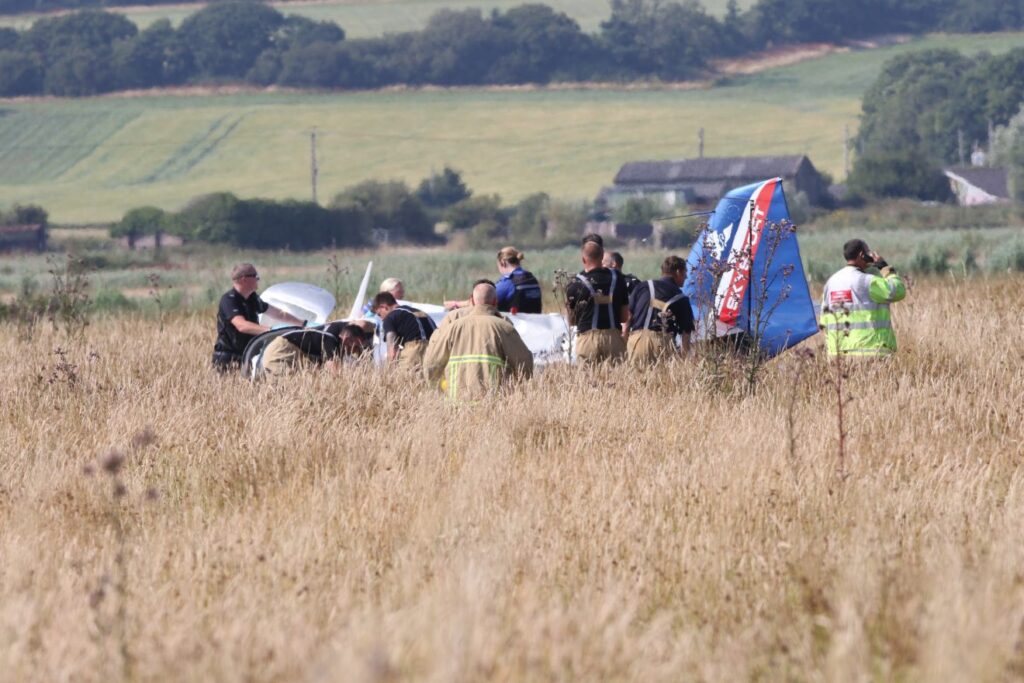
The Air Accident Investigation Branch (AAIB) has finally revealed the cause of last July’s dramatic plane crash near Bembridge that left two people seriously injured. A Beagle B121 Series 2 Pup, registered as G-TSKY, made a forced emergency landing in marshland between Bembridge and Brading shortly after taking off from Bembridge Airport.
Emergency Response Hampered by Remote Location
The crash happened on 12th July 2018. Emergency services took over 30 minutes to locate the aircraft after the first report, which was itself delayed by 20 minutes. Specialist medical help arrived 23 minutes after the first responders reached the site. Both the pilot and passenger suffered head and back injuries.
The Crash Unfolded in Minutes
- The aircraft took off normally from Kemble Airfield at 12.24pm and landed at Bembridge at 1.30pm.
- After a brief stop, the pilot prepared for departure at 2.15pm.
- The pilot heard an unusual noise during engine start but, after checks, took off at 2.27pm.
- At about 300 feet altitude, the pilot retracted the flaps as per checklist, then noticed engine power rapidly dropping without any noise change.
- Unable to find a safe landing spot due to low altitude, the plane struck marshland with a “loud thump.”
The pilot lost consciousness from a head injury and suffered back and pelvis injuries. The passenger recalled the engine “switching off” suddenly and described the descent as frightening before impact. She escaped the wreckage fearing a fire but was left with painful back injuries.
Fuel Starvation Identified as Likely Cause
The AAIB investigation found no mechanical faults that explained the power loss. The engine’s magnetos and spark plugs worked perfectly. Weather conditions ruled out carburettor icing, and the air intake was clear.
Fuel starvation is now the prime suspect. Despite sufficient fuel on board, a probable fuel system issue cut off the engine’s supply. A blocked fuel tank vent, located low on the left landing gear leg, could have been clogged by debris, restricting fuel flow. The pilot had removed the fuel tank filler caps before takeoff, theoretically venting the tanks.
Other theories include a loose nut at the carburettor inlet causing a leak, or debris briefly blocking fuel but then clearing on impact. Importantly, required wire locking on fuel system nuts was missing, which the AAIB highlights as a critical maintenance lapse.
The “strange” noise heard at engine start remains unexplained.
Emergency Services Praise and Lessons Ahead
The pilot made a MAYDAY call on Bembridge’s unmanned Air/Ground radio frequency. Another pilot picked up the call and contacted Sandown Airfield, helping initiate the rescue.
However, the marshland location complicated access for emergency crews. The site was 580m from runway end and off the airfield. Rescue teams arrived on foot and then with specialised vehicles. Both injured were airlifted to hospital by Hampshire, Isle of Wight, and Thames Valley Air Ambulances.
This case underscores challenges of remote crash responses and highlights crucial maintenance checks to prevent fuel starvation.