Ukraine Agrees to 30-Day Ceasefire – But Russia’s Silence Fuels Doubt
In a major yet delicate move, Ukraine has accepted a proposed 30-day ceasefire in its brutal war with Russia. But as of March 11, 2025, Moscow has stayed mum, leaving peace hopes hanging by a thread.
Trump Claims Breakthrough, Pushes for Talks
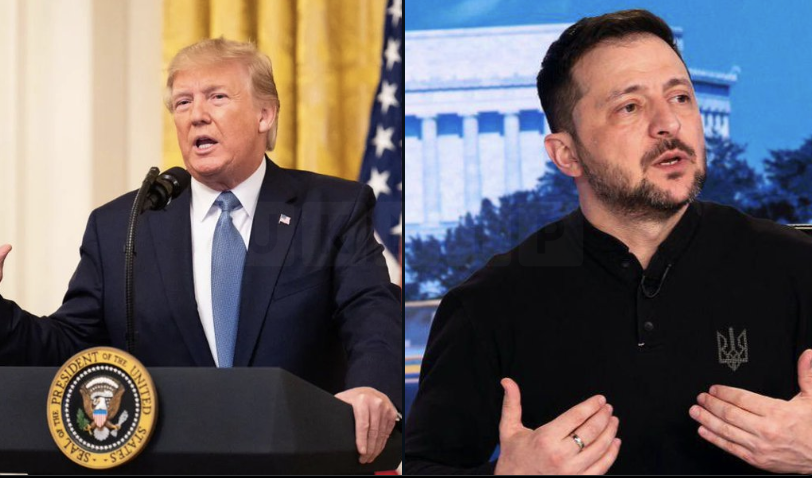
Donald Trump announced the ceasefire deal on Tuesday, revealing the US will hold talks with Russian officials “later today or tomorrow” in a last-ditch effort to end the bloodshed. The former president also invited Ukrainian leader Volodymyr Zelenskyy back to the White House, declaring: “We want to get the Ukraine war over with.”
Why the Ceasefire Matters
If Russia signs up, this would be the first major pause in fighting since Russia’s 2022 invasion. With Moscow still occupying 20% of Ukrainian land – including hotspots like Donetsk, Luhansk, Kherson, Zaporizhzhia, and Crimea – a ceasefire could open vital humanitarian corridors and ease suffering.
World Leaders React With Caution
- UK Prime Minister Keir Starmer called it “a step in the right direction,” but urged Russia to follow through.
- France welcomed the move but warned of past Russian ceasefire failures.
- NATO’s Jens Stoltenberg said, “A ceasefire without Russian accountability risks becoming a pause in violence rather than a path to peace.”
On the Ground: Skepticism and Wariness
Inside Ukraine, reactions are mixed. War-weary citizens hope for peace, yet many remain suspicious, haunted by broken deals like the Minsk accords. Zelenskyy has yet to make a formal statement but is expected to after his upcoming White House visit. Kyiv insists on firm security guarantees and Russia’s troop withdrawal – sticking points that could complicate talks.
Moscow’s Silence Speaks Volumes
The Kremlin’s continued hesitation casts a shadow over the ceasefire. Russia demands Ukrainian neutrality and recognition of occupied lands – conditions Ukraine rejects outright. Experts say Moscow might be stalling to test Western resolve or gain political leverage.
A Crucial Test for Trump’s Diplomacy
This ceasefire effort is a big moment for Trump’s foreign policy team, especially after tensions with Kyiv over US military aid. Convincing Russia to back down remains the biggest challenge. Without Moscow’s cooperation, peace looks distant and Ukraine’s sovereignty fragile.
The Stakes Are High
- A truce could stabilize global energy markets, easing soaring gas prices across Europe.
- Humanitarian groups see a ceasefire as a vital chance to ramp up aid—but only if fighting truly stops.
- The coming days will show if this fragile window for peace will open wide or slam shut once again.