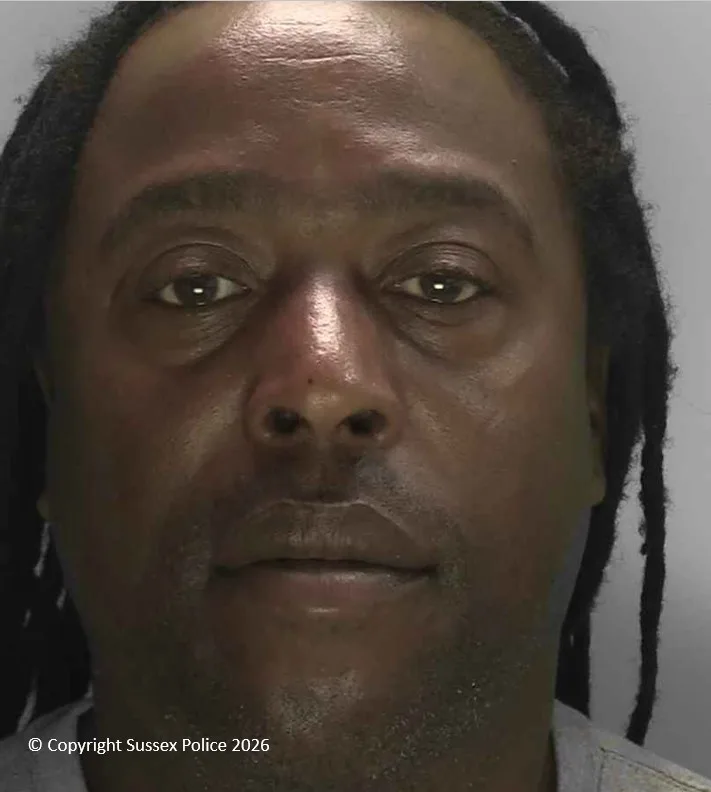
‘Speedboat Killer’ Jack Shepherd Freed After Just Five Years
Jack Shepherd, dubbed the “Speedboat Killer,” walked free from prison today after serving only five years for the tragic manslaughter of his Tinder date, Charlotte Brown. The fatal booze-fuelled crash on the River Thames saw Shepherd flee the country, sparking outrage and heartbreak.
High-Speed Horror on the Thames
The deadly incident happened in December 2015 when 24-year-old Charlotte Brown lost her life during a reckless ride on Shepherd’s faulty 14ft speedboat by the Houses of Parliament. The night began with Shepherd charming her over dinner at the Shard, using a seduction routine he had honed on other women.
The trip took a deadly turn when Charlotte was thrown into the water and drowned, while Shepherd was rescued alive. Shepherd initially fled to Georgia but was tried in his absence at the Old Bailey in 2018. He was convicted of manslaughter by gross negligence and sentenced to six years.
Double Trouble: Assault Adds Four More Years
Ten months after his sentence, Shepherd gave himself up and returned to UK custody. But his troubles multiplied. He was slapped with an extra four-year stretch for assaulting a barman with a vodka bottle in a Devon hotel, dragging his total sentence to ten years.
Shepherd was automatically released today after serving half of his combined sentence.
Family Left Reeling as Questions Remain
Shepherd’s defence controversially claimed Charlotte was steering the boat when it capsized, blaming her partly for the crash. That story was contradicted by a witness from a riverside flat who saw only one figure at the helm before the boat smashed into a pier.
Charlotte, from Clacton, Essex, was found slightly over the drink-drive limit, while Shepherd appeared intoxicated when rescued. Her devastated family remain anguished. Father Graham Brown warned of unresolved questions surrounding Shepherd’s release, while mother Roz Wickens said she’ll likely never know the full truth behind that fatal night.
As Shepherd faces life outside prison, the case leaves a lasting scar—highlighting the heartbreak of victims’ families and the challenges justice faces in tragedies like this.