Sweden’s Quran Burning Trial Sparks Global Firestorm
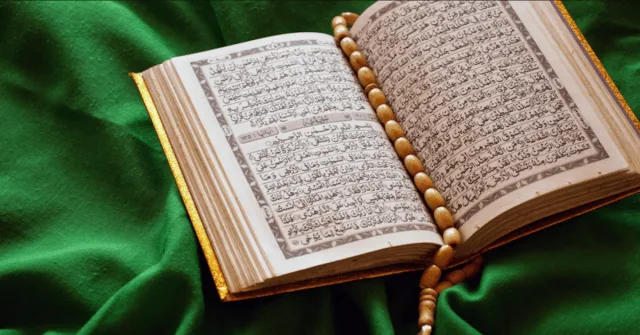
Sweden is in the eye of an international storm after two men were prosecuted for allegedly desecrating the Quran in what prosecutors say were deliberate insults aimed at Muslims. The case has ignited fierce debate worldwide over freedom of expression versus protecting religious beliefs.
Prosecutors Crack Down on ‘Contempt’ of Muslims
Senior Prosecutor Anna Hankkio laid it out bluntly: “Both men are prosecuted for having on these four occasions made statements and treated the Quran in a manner intended to express contempt for Muslims because of their faith.” The court action highlights the challenge of balancing free speech and respect in a multicultural society.
Refugee Claims Rights Under Swedish Law
One defendant, Salwan Momika, a Christian refugee from Iraq, openly defended his actions. His lawyer, Mark Safaryan, told Reuters, “The permit granted in connection with the demonstration is covered by my client’s intent. His rights are protected by the Swedish Constitution.” Momika said he acted to protest Islam and the Quran’s perceived sanctity.
Though Sweden’s migration agency called for Momika’s deportation, concerns over potential torture in Iraq have blocked the move – keeping the refugee in legal limbo.
Backlash Hits Worldwide – Protests, Diplomatic Strains, and UN Involvement
The Quran burnings sparked violent protests, especially in Iraq, where the Swedish embassy in Baghdad was stormed twice last July. The incidents have severely strained Swedish-Iraqi relations. The United Nations Human Rights Council condemned religious hatred and blasphemy, though the US and EU abstained, wary of curbing free speech.
The controversy is spreading. Denmark is tightening laws to ban Quran burnings after similar incidents. Swedish-Danish right-wing activist Rasmus Paludan faces charges for Quran-burning protests in Malmö, fuelling the fire even more.
Free Speech vs Hate Speech: A Global Legal Showdown
This high-profile case in Sweden has reignited fierce debates on the limits of free speech, especially regarding religious sensitivities. Critics warn that freedom of expression mustn’t be a cover for stoking hatred or violence. As the trial unfolds, the world watches – knowing its outcome could reshape international laws, religious freedoms, and diplomatic ties.