79-Year-Old Pilot Walks Away After Runway Crash at Rochester Airport
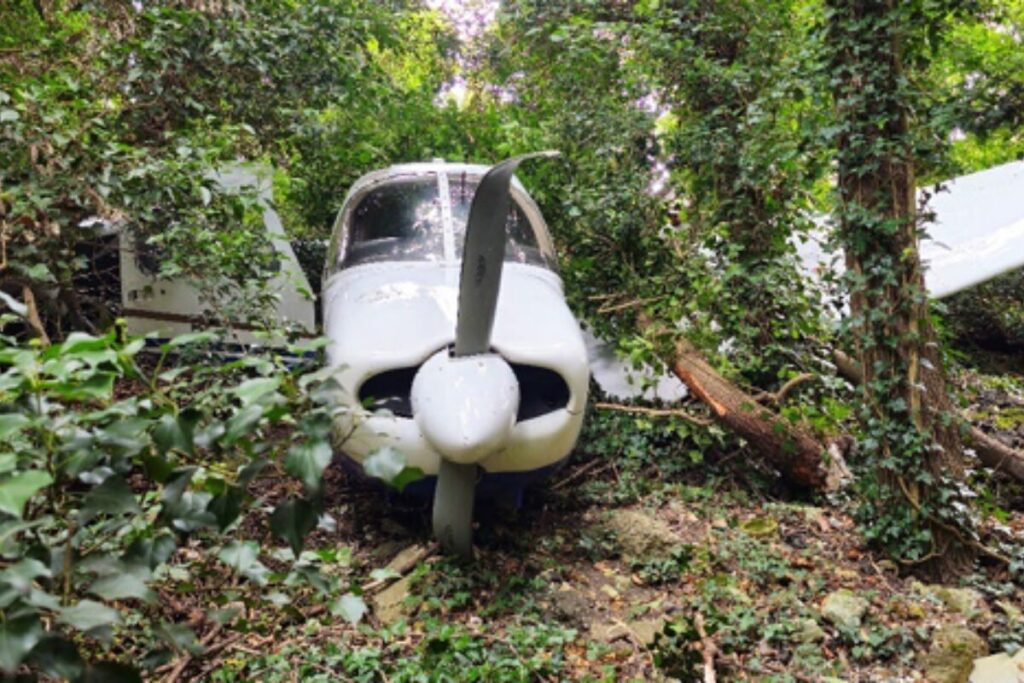
A 79-year-old pilot miraculously escaped injury when his light aircraft overshot the runway, crossed a road, and crashed into trees at Rochester Airport last summer.
Dramatic Crash on August 14, 2024
The Piper PA-28-181, built in 1977, was declared beyond repair after the incident. The pilot, with just 155 flying hours, was flying solo from Lydd Airport to Rochester. According to the Air Accidents Investigation Branch (AAIB) report published in March 2025, the crash was caused by a dangerously fast and long landing after a go-around and last-minute runway change.
How the Crash Unfolded
- The pilot first tried to land on runway 02 but aborted with a go-around.
- Wind shifts led to a change, directing him to land on runway 20.
- The plane touched down at 91 knots—way above the advised 66 knots.
- It landed 190 metres beyond the runway start, bounced multiple times, and struggled to brake on the grass.
- Desperate to stop, the pilot pulled back on the controls, lifting the plane briefly off the ground.
- The aircraft then crossed a boundary fence and road before smashing into a wooded embankment, losing both wings and causing a fuel leak.
Pilot Walks Away Unscathed
Despite the wreckage, the pilot walked away without a scratch. The AAIB cited several key issues:
- High pilot workload from the go-around and runway swap.
- Insufficient speed reduction before landing.
- Poor braking on the grass runway surface.
The landing strip was 830 metres long, enough in perfect conditions, but the excessive touchdown speed made stopping impossible.
AAIB Issues Crucial Safety Advice
The report urges general aviation pilots to:
- Factor in runway surface conditions affecting braking.
- Manage cockpit workload carefully, especially during sudden changes.
- Remember that advice from Flight Information Services Officers (FISOs) at AFIS airfields like Rochester is advisory, not compulsory.
The AAIB also noted the pilot could have taken more time to ease workload, declined the runway change, or joined the circuit again for a better approach.
“Given the touchdown point (190m from the threshold), the aircraft was unlikely to stop within the available runway length,” the report concluded. “The primary cause was the aircraft landing too fast and too far along the runway. The pilot recognised post-accident that he had landed faster than normal.”
These findings in AAIB Bulletin 3/2025 highlight the razor-thin margins pilots face — even on routine flights.