Beef Crisis Sparks Surprising Alternative
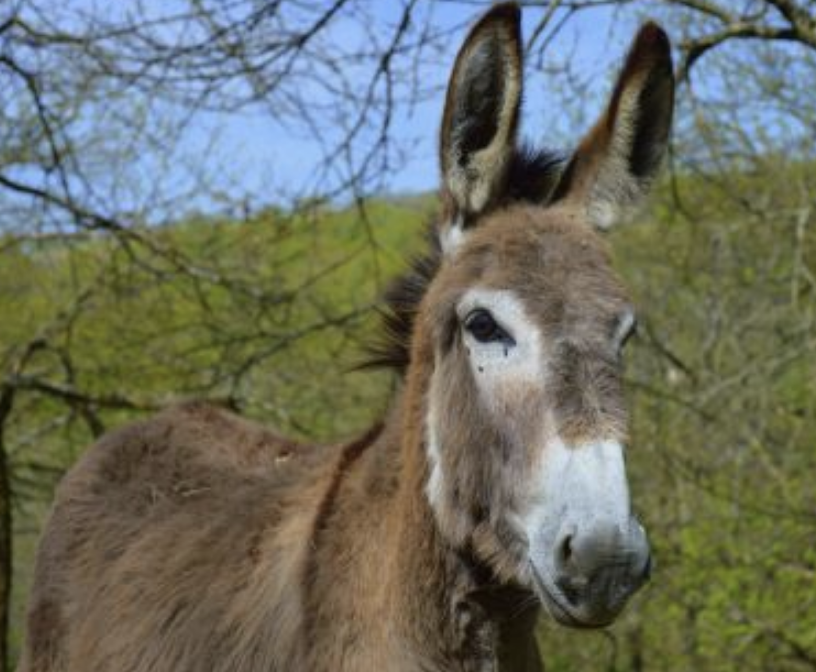
Sky-high inflation and stagnant wages under President Javier Milei’s reforms have pushed Argentine shoppers to an unexpected protein source: donkey meat. Once considered only suitable for working animals, donkey meat is now flying off shelves in record time in the pilot programme launched in Punta Tombo, Chubut province. This move marks an astonishing break from Argentina’s deep-rooted love affair with beef, long a symbol of national pride and identity.
Why Donkey Meat? The Price Difference is Stark
- Donkey meat: 7,500 Argentine pesos per kilogram
- Low-end beef cuts: 17,500 pesos per kilogram
- Premium beef: up to 30,000 pesos per kilogram
With beef prices skyrocketing, many households simply can’t afford their traditional favourites anymore. Trelew saw donkey meat supplies vanish fast after the April launch, proving that when budgets tighten, even cultural taboos can be broken.
Beef on the Brink: A 110-Year Low
Argentina’s famed beef consumption plunged to its lowest in over a century by mid-2024. More consumers are turning to cheaper poultry, pork, and now donkey meat to fill their plates. Milei’s strict austerity has brought fiscal surpluses but left wages trailing far behind surging food, rent, and utility costs. Government deregulation—like scrapping a 50-year ban on live cattle exports—has prioritised exports over affordable domestic meat. Critics warn this policy sends prime beef overseas while locals face a protein crunch.
Controversy and Culture Clash
Animal welfare groups have slammed the commercial sale of donkey meat, highlighting its traditional role as pack animals, not dinner. Many Argentines grapple with the cultural unease of eating donkeys, but economic hardship is breaking down these barriers fast. Whether donkey meat expands beyond Chubut depends on government rules, supply chain growth, and whether inflation keeps squeezing wallets.