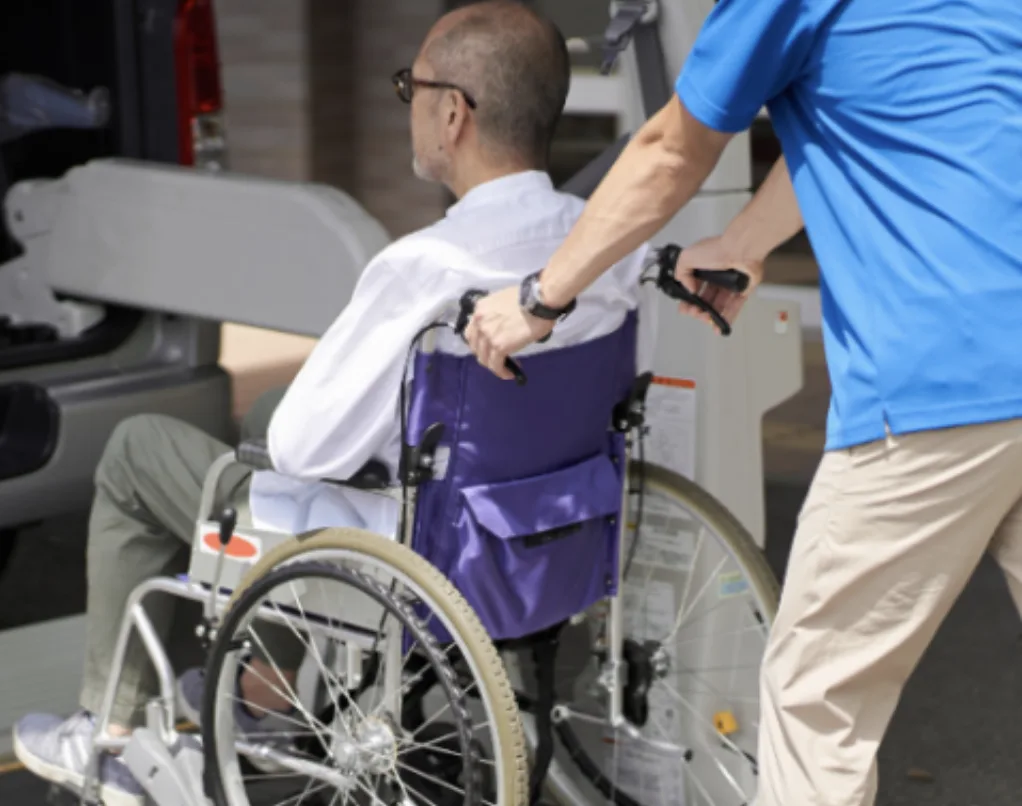
The letter arrives. Or the consultant speaks.
Either way, the diagnosis changes the calendar immediately. Appointments multiply.
The car that worked last month no longer works. For households across the UK where a family member has received a diagnosis affecting their mobility, transport becomes an urgent practical problem, not a future consideration. Standard vehicles present real barriers from day one.
Getting a wheelchair user in and out of a conventional car requires physical effort, coordination, and time. Repeated manual transfers carry injury risk for carers.
For the person being moved, the indignity compounds quickly. Used WAVs, wheelchair accessible vehicles adapted with ramps, lowered floors, and secure restraint systems, remove that problem.
The wheelchair user boards, the chair is secured, the journey happens. No transfer required. The used WAV market has grown considerably.
Ex-Motability stock, returned after lease periods, enters circulation regularly. Prices vary by model, conversion type, and mileage.
For families managing tight budgets after a diagnosis, understanding what is available and what to look for makes the difference between a good purchase and an expensive mistake.
How a Diagnosis Changes Daily Transport Needs
A standard car door that opened easily last year now demands effort that is not always available. Short trips, a GP appointment in town, a visit to family across the county, become logistical problems requiring planning that did not exist before. Progressive conditions add pressure.
What works at diagnosis may not work in eighteen months. Families who choose a used WAV that accommodates a larger powered wheelchair avoid a second expensive purchase when mobility needs change further.
That forward planning matters. It is also easy to overlook the urgency of the immediate situation, and 123 show how recent policy updates continue to affect overall affordability and access.
Ex-Motability Stock as a Practical Option
Vehicles returned after Motability lease periods typically carry full service histories and moderate mileage. They enter the used market in documented condition, which gives buyers meaningful assurance about what they are purchasing compared to private sales where history is harder to verify. Specialist dealers carrying used wheelchair accessible vehicles inspect and certify stock before sale.
Warranties and aftercare come as standard. Private purchases may cost less upfront.
The risk is higher and the aftercare is absent. For families where the vehicle is a daily medical necessity, that trade-off rarely makes sense. Charitable funding routes exist alongside the commercial market.
The Motability Foundation and Family Fund provide grants in some cases. Local authority support varies significantly by area, and Disabled Facilities Grant allocations UK show how funding is distributed and accessed depending on location.
Contacting a social care team early in the process is worthwhile. Availability is not guaranteed.
Practical Steps for Families Choosing Adapted Transport
Measure the wheelchair before approaching any dealer. Width, length, turning circle, weight.
Not every used WAV accommodates larger powered chairs. Checking compatibility before booking a demonstration prevents wasted journeys and avoids the frustration of finding a vehicle that almost works. Ramp gradients need checking in person.
So does internal headroom. So does the distance between the wheelchair position and passenger seats.
Paper specifications are a starting point. The physical test is the deciding factor. Dealers with WAVCA membership meet recognised industry quality standards.
Ask about warranty cover on the conversion equipment separately from the main vehicle warranty. Ask about servicing network access.
Ask about parts availability, and used car inspection checklist UK reinforces why these checks matter before committing to any purchase. A used WAV that cannot be serviced locally becomes a problem quickly. Home demonstrations are standard practice among reputable dealers.
A specialist brings the vehicle to the household’s address, runs through the ramp, tie-downs, and passenger access in the actual environment where the vehicle will be used. That test, on the actual driveway, with the actual chair, in the actual conditions of daily life, is worth more than any showroom visit.
What Comes After the Purchase
A used WAV does not eliminate the adjustment that follows a mobility-affecting diagnosis. It removes one significant layer of it.
The daily effort around getting from A to B becomes simpler and more predictable. A mobility-related diagnosis forces decisions faster than most families expect. Transport becomes one of the first problems that needs solving properly, not patched temporarily.
Choosing the right used WAV early reduces physical strain, avoids repeat costs, and brings back a level of control that often feels lost at the start. When the vehicle works, everything around it becomes easier to manage.
That shift is not small. It changes how daily life continues.