New details about Lucy Letby’s behaviour around dying babies and grieving parents have been revealed in the final report of the Thirlwall Inquiry.
Lady Justice Thirlwall highlighted a series of incidents involving the former neonatal nurse at the Countess of Chester Hospital, including behaviour she described as “very disturbing”.
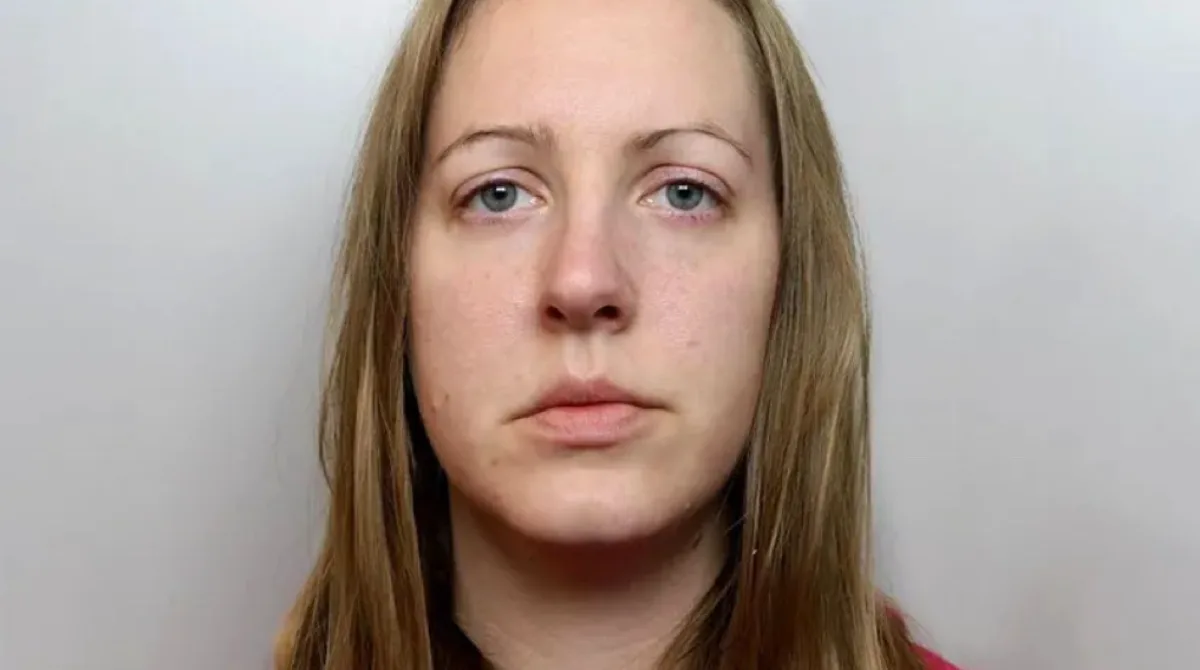
Letby is serving 15 whole-life orders after being convicted of murdering seven babies and attempting to murder seven others. The inquiry was established following her convictions to examine how the murders were able to happen, how concerns about her were handled and what changes are required to protect babies in future.
‘You’ll never guess what’s just happened’
Among the evidence considered by the inquiry was Letby’s behaviour following the death of Baby P, one of three triplet brothers being cared for at the hospital in June 2016.
His brother, Baby O, had died the previous day. Letby was subsequently convicted of murdering both babies.
Following Baby P’s death, deputy ward manager Nicola Lightfoot recalled hearing Letby greet a member of night staff with words along the lines of: “You’ll never guess what’s just happened!”
Lightfoot considered the comment inappropriate and believed Letby had spoken about the baby’s death as though it were an exciting event.
Lady Justice Thirlwall described it as “a very disturbing way to refer to the death of a baby”.
The inquiry also heard that Letby accompanied a doctor to speak to the parents following the deaths of two of the triplets and subsequently asked about preparing a memory box.
The doctor recalled what she regarded as an inappropriate brightness and jolliness in Letby’s manner.
Lady Justice Thirlwall wrote more broadly about what she described as Letby’s “apparent enjoyment of the drama and ritual around death”.
Cold cot prepared while Baby C was still alive
Further evidence concerned Baby C, a premature boy who died aged four days in June 2015 and whom Letby was later convicted of murdering.
The inquiry heard that while Baby C was still alive, Letby brought a ventilated Moses basket known as a cold cot into the room and plugged it in.
Cold cots are cooling devices intended for use following a baby’s death, allowing bereaved families additional time with their child.
Baby C’s parents were still with their dying son when the equipment was brought into the room. His mother told the inquiry that they were already in an extremely difficult situation and felt bringing in the cold cot at that point was premature.
Inquiry finds ‘complete failure’ in safeguarding
The report concluded there had been a “complete failure” to use safeguarding procedures once suspicions emerged that a member of staff might deliberately be harming babies.
It stressed that hospital staff did not need proof of criminal guilt before taking safeguarding action.
Concerns about the association between Letby’s presence and unexplained deaths and collapses had been raised by consultants before the deaths of Babies O and P, but she remained working on the neonatal unit.
The inquiry concluded that some deaths and collapses could have been prevented if safeguarding procedures had been followed and identified serious failures in management and governance at the Countess of Chester Hospital.
It also found parents were not told for years that doctors had raised concerns their children might have been deliberately harmed. Some families felt the hospital’s reputation had been placed ahead of keeping them properly informed, with Lady Justice Thirlwall describing the lack of consideration shown to parents as “reprehensible”.
The final report makes 14 recommendations, including measures covering neonatal monitoring, concerns about staff, bereavement care and greater accountability within NHS management.
The inquiry was not a new criminal trial and did not reconsider Letby’s convictions. Her convictions remain in force while a separate application concerning her case is being considered by the Criminal Cases Review Commission.
Letby continues to maintain her innocence.