
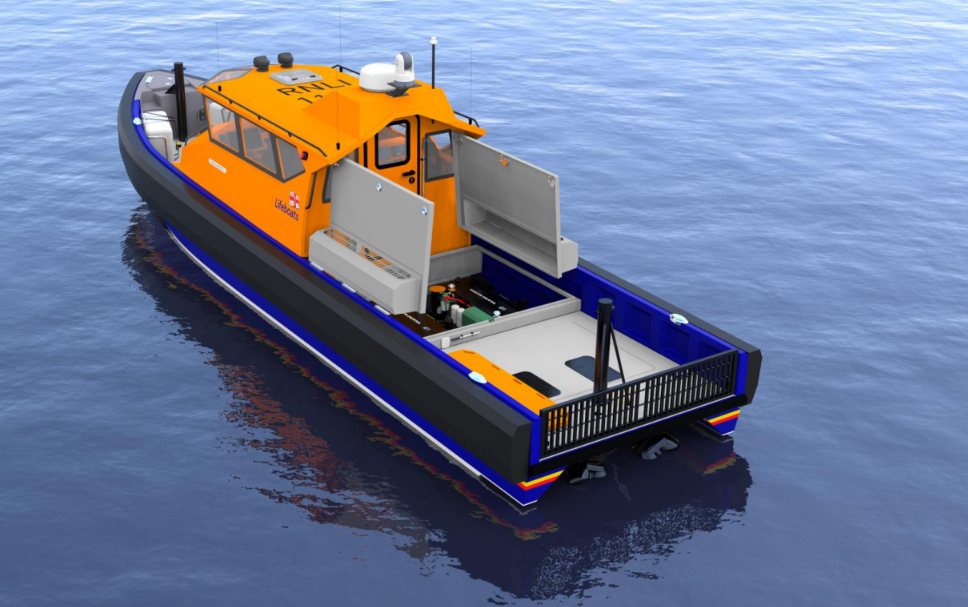
The RNLI is planning a major evolution of its lifeboat fleet, including the introduction of a new Coastal Lifeboat class from 2028.
The charity says the changes are being driven by a shift in the types of incidents its crews are responding to, with more rescues now involving activities such as open-water swimming, kayaking and paddleboarding rather than traditional vessel emergencies.
RNLI lifeboats responded to 9,058 operational services in 2025, more than three-and-a-half times the number expected around 50 years ago.
Between 2017 and 2025, 98% of RNLI lifeboat responses took place within 10 nautical miles of the coast, while just 0.2% occurred more than 25 nautical miles offshore.
New Coastal Lifeboat planned for 2028
The next phase of the RNLI’s fleet changes is planned between 2028 and 2030 and will affect 24 of its 238 lifeboat stations across the UK and Ireland.
The programme includes the gradual withdrawal of the Trent-class all-weather lifeboat, which entered service in 1994, by the end of 2028.
The RNLI also plans capability upgrades for its Shannon-class all-weather lifeboat and Atlantic 85 inshore lifeboat, alongside the introduction of the new Coastal Lifeboat.
The wider fleet strategy will be implemented over around 15 years and will consider the age and capabilities of existing vessels, their locations and the changing nature of search-and-rescue work.
‘Right lifeboats in the right places’
RNLI chief executive Peter Sparkes said the charity was continuing to adapt its service in response to evidence and operational need.
He said: “We make evidence-based decisions and strive to ensure that we have the right lifeboats in the right places, at the right time to save as many lives as possible around the coast of the UK and Ireland and, crucially, to enable us to bring our selfless, dedicated people home safely.”
He added that the charity’s core purpose remained unchanged and that its mission was still to “save every one”.
The RNLI says the fleet changes are intended to make the service more sustainable, improve capability and ensure volunteers have the equipment and training needed to respond safely to future emergencies.