Doctor’s Chilling Warning Ignored Before Nottingham Killings
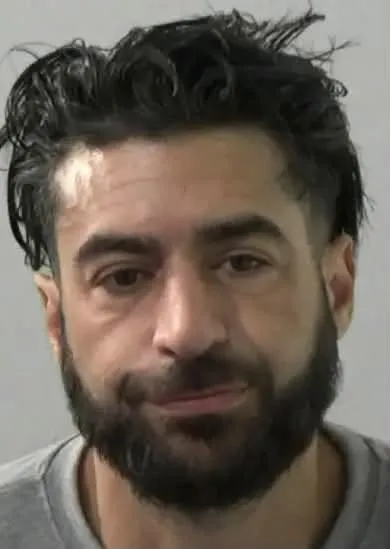
Months before Valdo Calocane butchered three people in Nottingham, doctors treating the paranoid schizophrenic raised serious alarms. An inquiry revealed that medical experts considered “research evidence showing over-representation of young black males in detention” before releasing him back into the community.
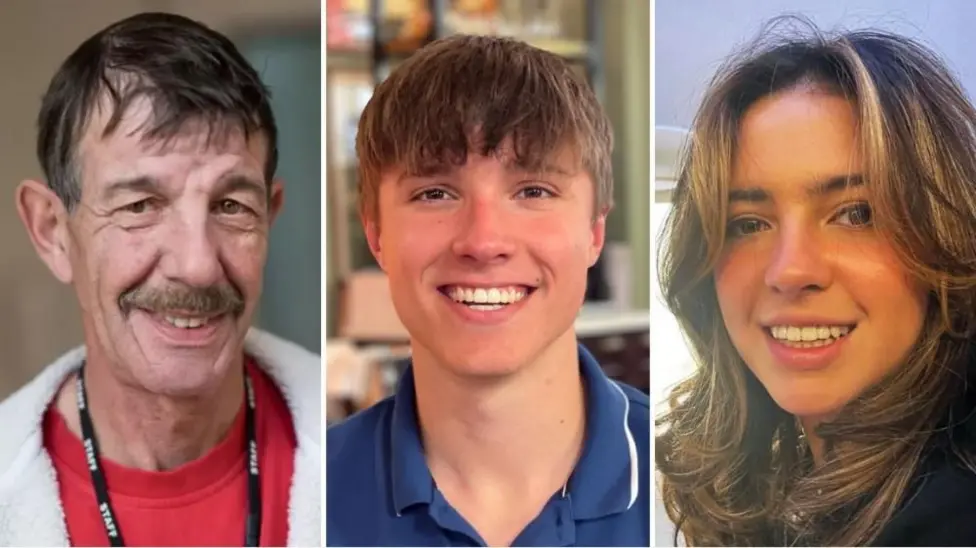
Despite a July 2020 doctor’s stark warning that Calocane “will end up killing someone,” he was discharged just two weeks later. In June 2023, Calocane stabbed to death university students Barnaby Webber and Grace O’Malley-Kumar, both 19, and 65-year-old Ian Coates.
Mounting Warning Signs Ignored Amid Racial Bias Claims
Rachel Langdale KC, lead counsel in the inquiry, exposed how racial factors influenced decisions to free Calocane despite glaring institutional failures. The killer also injured three pedestrians during a violent rampage involving a stolen van.
- Calocane faced repeated NHS mental health interventions and was sectioned four times.
- His mother repeatedly flagged serious mental health concerns.
- He exhibited violent behaviour, including demanding to speak with MI5 and carrying a hammer on a hospital ward.
- Five students fled their houseshare due to his unpredictable threats.
- Although police responded to violent incidents, Calocane had no convictions before the 2023 attack.
System and Police Failures Let Killer Slip Through
An NHS review blamed Calocane’s fear of needles for not forcing long-lasting antipsychotic treatment. Meanwhile, the Independent Office for Police Conduct slammed police for failing to properly investigate an earlier assault—missing a vital chance to stop the bloodshed.
Shockingly, the University of Nottingham had no clue Calocane had been medically absent for months due to “astonishing failure of information sharing.” On the night of the murders, Calocane lurked armed with multiple knives and a metal pole. He later told his brother: “This will be the last time we speak.”
Families Demand Justice: ‘Apologies Don’t Keep Us Safe’
Victims’ families blasted years of “failure and silence” by those responsible for public safety. Emma Webber, mother of Barnaby, condemned previous reports as “virtually useless” and called for real reforms, not empty apologies.
“Apologies do not keep the public safe, but change does. This inquiry must not become a procedural exercise,” she said.
Families want both individual and organisational accountability, aiming to expose systemic neglect across health services, police, and courts.
In January 2024, Calocane received an indefinite hospital order after pleading manslaughter by diminished responsibility plus three attempted murders. Families fear the sentence risks a miscarriage of justice if he is ever freed.
Inquiry Starts as Justice Seeks Answers
The inquiry will hear from over 100 witnesses across four months. A final report is expected in May next year. The Ministry of Justice will also investigate how Calocane’s risk was handled and probe unauthorised leaks of sensitive information by public servants.
Chair Deborah Taylor confirmed Calocane will be referred to only by his initials, VC, during the proceedings.