Scientists Crack the Coral Reef Code in Stunning Discovery
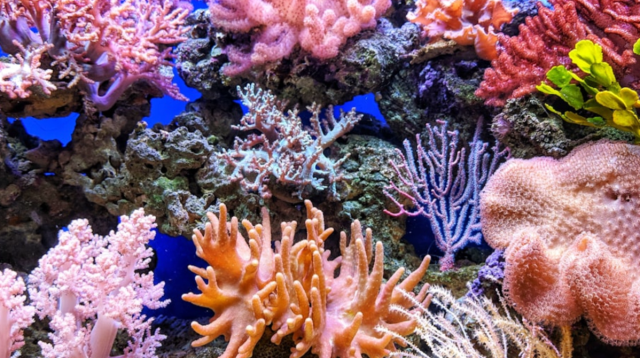
Coral reefs, the dazzling rainforests beneath the waves, shelter a quarter of all marine life. These vibrant underwater worlds buzz with diverse creatures, but how can researchers truly gauge their health?
Unlocking the Mystery of the Coral “Soup”
For years, scientists have struggled to decode the complex mix of invisible chemicals floating through reef waters. These tiny compounds are crucial clues to the well-being of reef species, but catching and identifying them has been a tough nut to crack.
Groundbreaking Technique Reveals New Reef Secrets
A team from the Woods Hole Oceanographic Institution has now smashed that barrier. Led by Brianna Garcia, Amy Apprill, and Elizabeth Kujawinski, the researchers created a clever method to extract and analyse tiny molecules—called metabolites—from seawater.
How the Game-Changing Method Works
- Sample Collection: Water was gathered from five coral reefs near the U.S. Virgin Islands.
- Metabolite Modification: They treated the dissolved metabolites so they’d stick to special membrane materials.
- Analysis: Using liquid chromatography-mass spectrometry, the team uncovered 23 brand-new metabolites—amino acids, amines, nucleosides, and organosulfonic acids.
- Key Discoveries:
- Diseased coral and various algae dramatically changed metabolite makeup.
- The organosulfonic acid DHPS was a clear marker for coral and its neighbours.
- Three metabolites—homoserine betaine, tryptophan, and γ-aminobutyric acid—differed between reefs, highlighting unique marine environments.
What This Means for Coral Conservation
This breakthrough offers a potent new tool to track reef health. By monitoring these critical compounds, scientists can better understand how climate change, disease, and environmental upheavals impact these delicate ecosystems.
Reefs aren’t just spectacular—they’re vital to our planet’s biodiversity. Unlocking their secrets could be key to saving them from decline.