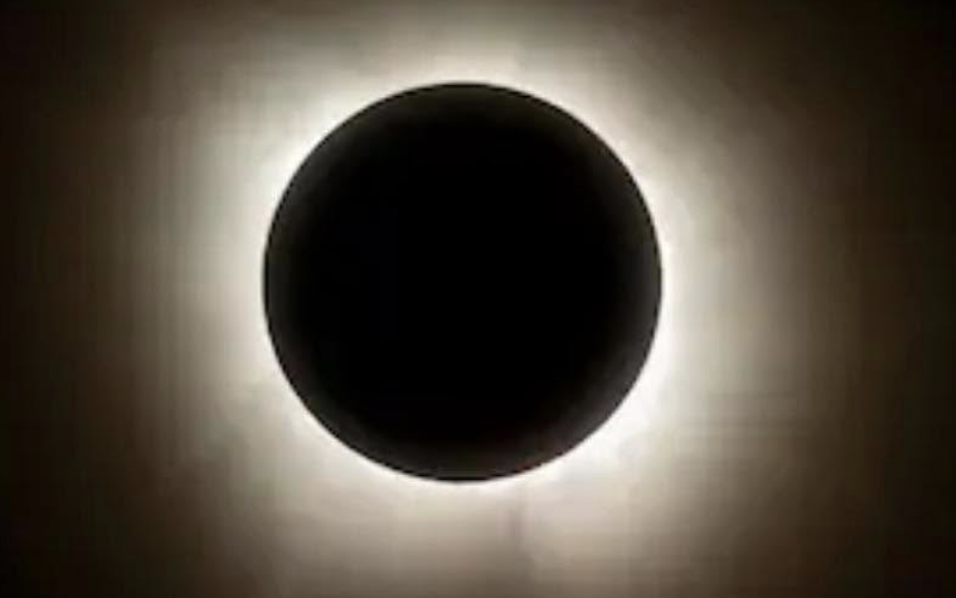
People across the UK are set to witness the most significant solar eclipse visible from Britain in decades when the Moon passes in front of the Sun on Wednesday, August 12. More than 90% of the Sun will be obscured across large parts of the country, creating a dramatic crescent and a noticeable dimming of daylight during the early evening. The event will be the most impressive solar eclipse seen from the UK since 1999 for many observers, with western parts of the country expected to get the greatest coverage. (
When will the eclipse happen?
The partial eclipse will begin across the UK shortly after 6pm and reach maximum coverage at around 7.05pm to 7.16pm depending on location. In London, the eclipse begins at 6.17pm, reaches maximum coverage at 7.13pm and ends at 8.06pm. Around 91.4% of the Sun will be obscured. Birmingham is expected to see around 91.8% coverage at about 7.11pm, while Cardiff will reach around 93.2% at approximately 7.13pm. Belfast will see around 93% of the Sun covered, with maximum eclipse at 7.08pm. The strongest views among major UK locations will be towards the southwest, where Plymouth is expected to see around 95% of the Sun obscured. Parts of the Isles of Scilly could see coverage approaching 96.5%.
Best places to watch
Astronomers are advising people to find somewhere with a clear view towards the western horizon, because the Sun will already be relatively low in the sky when the eclipse reaches its maximum. Open countryside, hills, beaches and other elevated locations with an unobstructed western outlook are likely to offer the best views. Weather will ultimately determine how much of the event can actually be seen, with cloud cover capable of completely obscuring the eclipse. Early forecasts suggest southern and eastern parts of Britain may have better viewing prospects, although conditions could still change before Wednesday. (Do not look directly at the Sun Anyone planning to watch the eclipse is being warned not to look directly at the Sun with the naked eye. Ordinary sunglasses do not provide sufficient protection. Certified solar eclipse glasses meeting the appropriate safety standard should be used, or people can watch indirectly using a pinhole projector or similar safe method. Looking directly at the Sun, even when most of it is covered by the Moon, can cause permanent eye damage.
Perseid meteor shower also peaks
The eclipse coincides with the annual Perseid meteor shower, which reaches its peak around the night of August 12 into August 13. That means skywatchers could potentially enjoy two major astronomical events within hours of each other, although moonlight may make some of the fainter meteors more difficult to see. For much of Britain, Wednesday evening’s eclipse will be a rare opportunity to see the Sun reduced to a narrow crescent, with another comparable event not expected for decades.