Rachel Reeves on Brink of Budget Bombshell: Tax Rise Looms to Plug £30bn Black Hole
Big Tax Hike Could Smash Labour’s Tax Promise
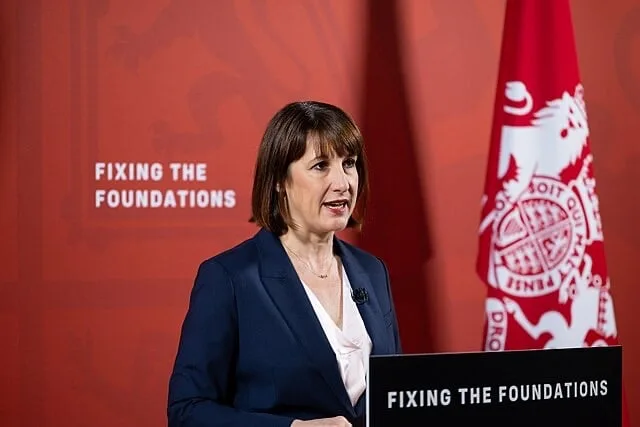
Chancellor Rachel Reeves faces a Budget crisis as a £30 billion hole gapes in the UK’s public finances. With the Office for Budget Responsibility slashing growth forecasts and wiping £20 billion off expected revenues, Reeves is reportedly eyeing a rise in income tax—directly clashing with Labour’s vow to keep taxes steady.
Sources inside the Treasury reveal fierce debates over how to close the fiscal gap. Reeves must choose between sticking to manifesto pledges and risking chaos or hiking taxes to steady Britain’s shaky finances. Increasing VAT or corporation tax risks sparking inflation or deterring investment, making income tax the “least damaging” option, insiders say.
Who’s Set to Pay More? The Tax Options on the Table
- Basic rate hike: A 1p rise on the basic income tax bracket could rake in £8 billion—but would hit millions of struggling working families during a cost-of-living crunch.
- Higher earners targeted: Upping the 40% and 45% rates fits Reeves’s “broad shoulders” doctrine but brings in just £2 billion and £230 million respectively.
- Mixed solution: The Resolution Foundation proposes a 2p income tax rise offset by a 2p National Insurance cut, raising £6 billion mostly from pensioners, landlords, and the self-employed.
Politically, it’s a nightmare. After last year’s National Insurance hike, Reeves risks serious backlash for flipping on tax promises. Treasury insiders say she’s caught between shoring up finances and dodging political fallout.
Reeves Walks a Political Tightrope
The Chancellor insists fairness rules the day: “Those with the broadest shoulders should pay their fair share.” Yet she’s keeping all options close to her chest ahead of the Budget reveal on November 26.
Conservative Shadow Chancellor Mel Stride has slammed Labour, accusing them of blaming past governments while failing to get the books in order. Meanwhile, think tanks warn of a £50 billion cut storm by 2030 if action isn’t taken fast.
Markets are nervy. Failure to act decisively risks pushing borrowing costs higher and deepening the crisis. Reeves acknowledged the pressure, saying: “Nobody wants this tax cycle to continue more than me.”
Countdown to a Budget Showdown
With inflation stuck at 3.8% and borrowing soaring, this Budget is Reeves’s toughest challenge yet. Will she break Labour’s promises or put Britain’s financial sanity first? The decision could make or break Labour’s election hopes—and Britain’s economic future.