Cop Cleared After Crash While Speeding to Emergency
Sirens Blazing, Then Smashing!
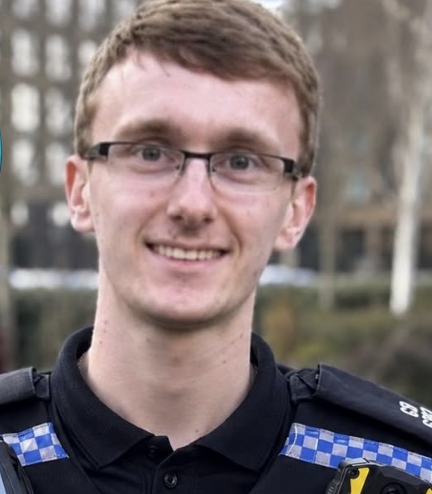
Sussex Police officer PC James Kirk was rushing to an emergency in Brighton last September when disaster struck. With lights flashing and sirens wailing, Kirk ran a red light — and collided with a light goods vehicle. The crash sparked fierce debate over the dangers cops face on the road while trying to save lives.
CPS Drops Dangerous Driving Charges
At first, the Crown Prosecution Service hit Kirk with dangerous driving charges. But after a closer look, the CPS pulled the plug, saying prosecuting Kirk just wasn’t in the public interest. This ditching of charges sends a major message about the pressure cops face behind the wheel.
When Seconds Count, Risks Skyrocket
Emergency driving isn’t reckless—it’s trained, authorised, and tightly controlled. Police officers often speed and jump red lights to get to people in danger fast. But when crashes happen, even if protocols are followed, drivers can face long investigations and criminal probes.
“We ask police officers to respond immediately to life-threatening situations. We expect them to arrive quickly. We criticise them when they don’t. But we also place them in a system where a split-second decision, made under pressure and for the public good, can lead to criminal charges hanging over them for months or years.”
Though the CPS dropped criminal charges, PC Kirk now faces a review by Sussex Police’s Professional Standards Department for potential misconduct. Officers aren’t after immunity—they want a fair system that gets the real risks of emergency response.
If facing prosecution despite careful training becomes the norm, it begs a stark question: How can police keep responding fast under such legal threats?