Government Cracks Down on Strikes with New Rules
The government is stepping up with new voluntary agreements targeting sectors like health, education, fire and rescue, transport, border security, and nuclear. But this move won’t stop the relentless strike wave sweeping the nation.
Unions Furious, Labour Promises Repeal
Unions slam the restrictions, threatening legal battles. Labour isn’t holding back either. Sir Keir Starmer warned: “This legislation, in my opinion, will not be effective. I’m pretty sure they’ve had an assessment that says it’s going to make a bad situation worse.” Labour will review the proposals but vows to scrap any new curbs if in power.
Grant Shapps: It’s About Public Protection
Business Secretary Grant Shapps insists the new measures aim to “restore the balance between those seeking to strike and protecting the public from disproportionate disruption.” He confirmed the legislation will be introduced during the current parliamentary session.
Focus on Critical Services and Voluntary Deals
Ministers plan to set ‘adequate coverage’ for emergency services and railways after consultation. They remain hopeful of voluntary agreements in other sectors. Meanwhile, strikes drag on, hitting healthcare, postal services, driving tests, and more, as workers fight for pay rises to tackle soaring living costs.
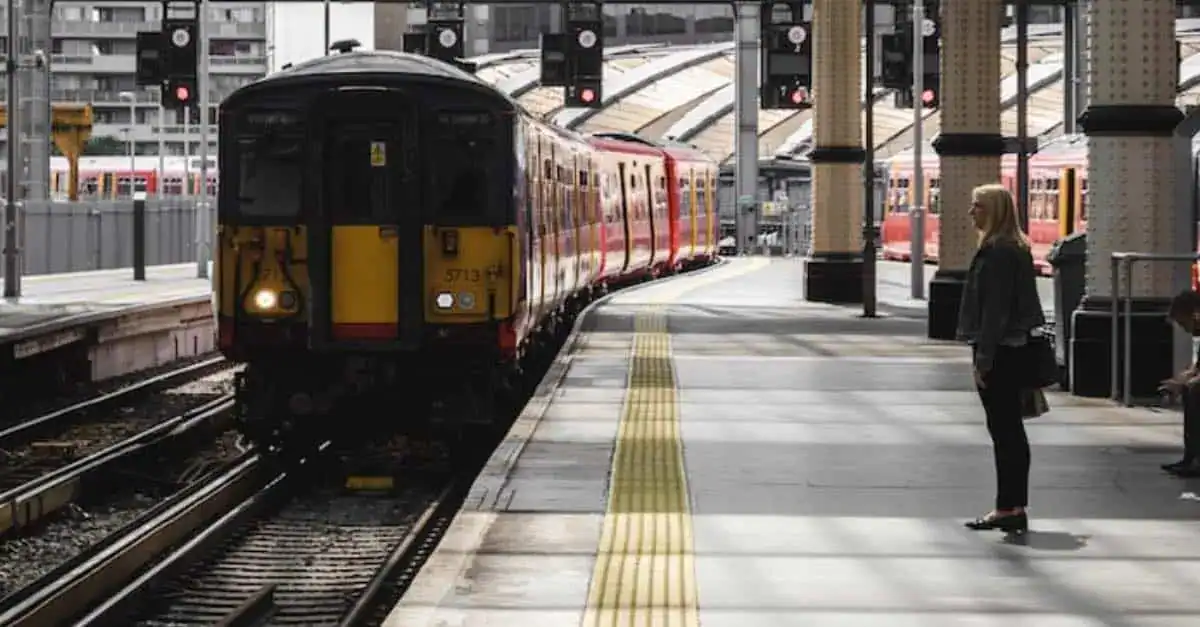
RMT union members, representing rail workers, have been on strike for over six months. Aslef, which represents most train drivers, launched their sixth strike since last summer.