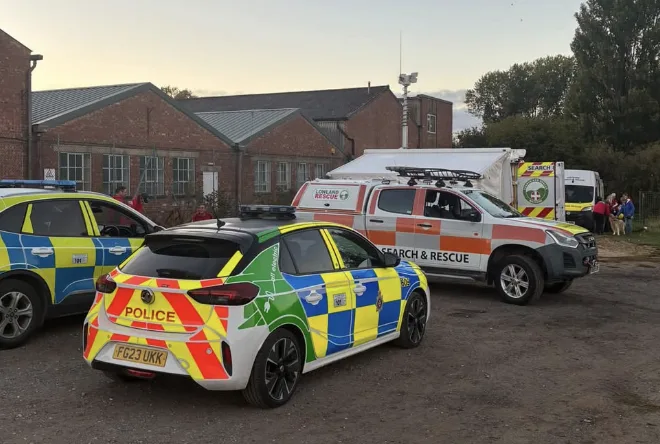
Two Wiltshire Police dogs have been put to sleep after testing positive for the bacterial infection Brucella canis.
The infection was discovered during routine testing in September, prompting the force to seek specialist veterinary advice and isolate other dogs within its dog unit.
Following the positive results, Wiltshire Police made the decision to euthanise both affected dogs to reduce the risk of the infection being passed to other animals or people.
The force said all remaining police dogs have since tested negative.
Support put in place for handlers
Specialist Operations Chief Inspector Ben Huggins said the loss of the two dogs had been devastating for their handlers and colleagues across the unit.
He said:
“This is a devastating time for their handlers and the wider dog unit, and welfare support has been put in place.”
Wiltshire Police said it followed relevant guidance after the infection was detected and notified partner agencies and other relevant organisations.
The force is now awaiting further guidance following the test results.
Police service unaffected
Despite the isolation and testing of dogs within the unit, police said frontline services have continued as normal.
Mutual aid arrangements were also put in place to provide additional dog-unit support where required.
Chief Inspector Huggins added:
“I’d like to reassure our communities that our service has been unaffected during this incident and mutual aid support to our dog unit has been arranged when required.”
What is Brucella canis?
Brucella canis is a bacterial infection which primarily affects dogs but can, in rare circumstances, be transmitted to humans.
UK Health Security Agency guidance states that the risk of infection to the general UK population is very low, although people with closer exposure to infected dogs or contaminated material can face a higher risk.
The infection has increasingly been detected in Britain since 2020, with many cases historically linked to dogs imported from overseas.
Government guidance sets out precautions for owners, vets and others who may come into contact with dogs known or suspected to be infected.