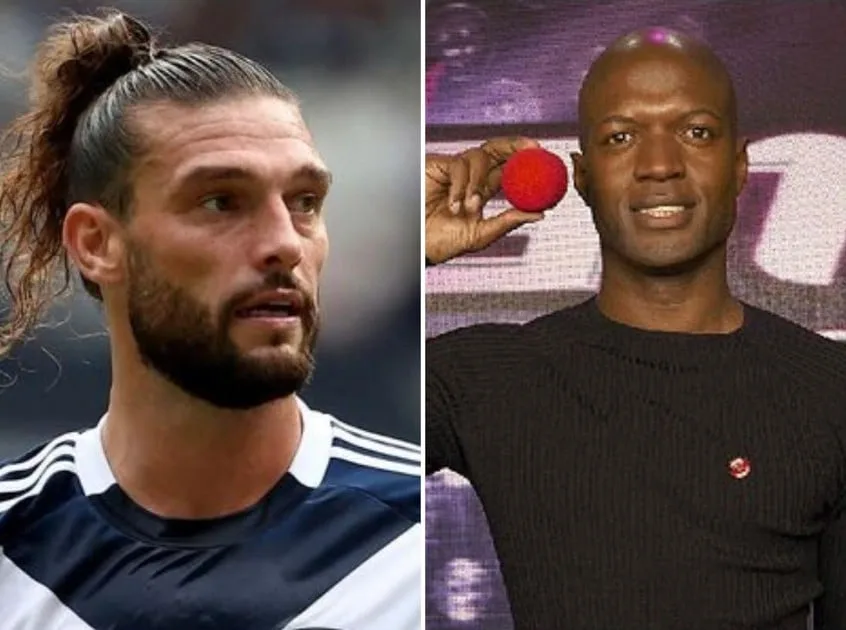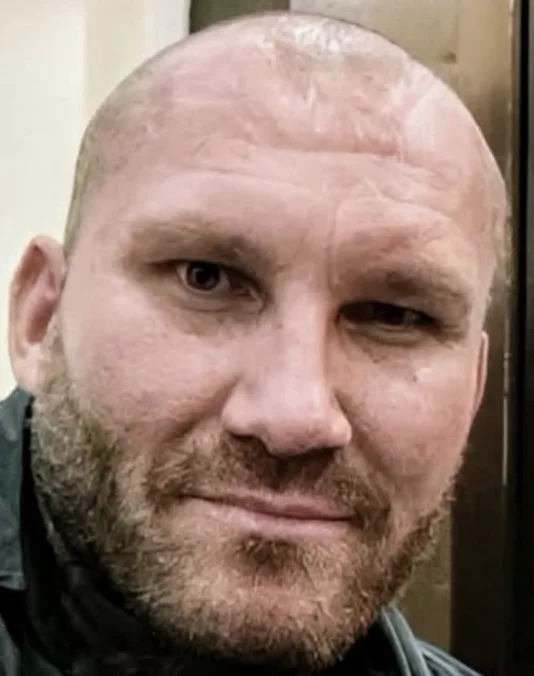
A former boxer who was jailed after posting inflammatory YouTube videos during the unrest which followed the Southport killings has resurfaced online, with one of his broadcasts attracting almost half a million views.
Derek “Decca” Heggie, 41, from Carlisle, was sentenced to 46 weeks in prison after admitting an offence under the Malicious Communications Act.
Carlisle Crown Court heard that Heggie uploaded two videos in August 2024, at a time when serious disorder was taking place across parts of the country following the Southport killings.
During the broadcasts, Heggie made a series of comments concerning Muslims and grooming gangs.
The court heard one of his statements was: “young white girls are being raped by these grooming gangs.”
However, that sentence alone was not the basis of the prosecution.
Court heard wider inflammatory remarks
Heggie also made broader comments about Muslims and the Prophet Muhammad, including sweeping remarks portraying Muslims as murderers, rapists and child molesters.
Prosecutors said the communications were grossly offensive and had been sent for the purpose of causing distress or anxiety.
One of Heggie’s videos subsequently attracted close to 500,000 views.
He pleaded guilty to the offence before being sentenced at Carlisle Crown Court.
His barrister, Tariq Khawam, told the court that Heggie accepted his actions had been “wrong, ill-informed and potentially dangerous.”
Judge Nicholas Barker sentenced him to 46 weeks’ imprisonment.
Claims over reason for imprisonment
The case has since resurfaced on social media, where some posts have claimed Heggie was imprisoned simply for saying that young white girls had been raped by grooming gangs.
That does not reflect the full circumstances of the case as described to the court.
Britain’s grooming-gang scandals have been extensively documented through criminal prosecutions, official inquiries and safeguarding investigations.
Heggie’s conviction, however, concerned the wider content of the two communications he admitted sending, including multiple inflammatory remarks made during a period of significant public disorder.