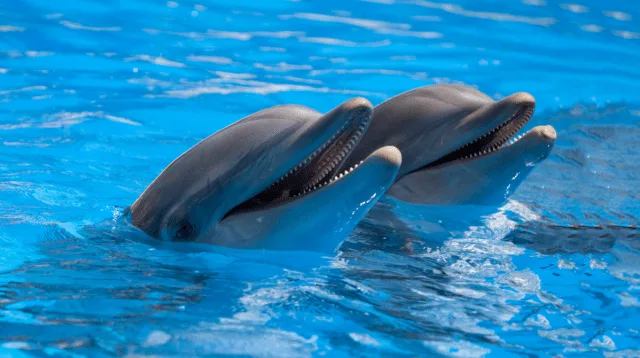
Juvenile Dolphin Play Linked to Breeding Success, Study Reveals
A groundbreaking study has revealed that young male dolphins’ playful antics are more than just fun—they’re key to future reproductive success. Researchers uncovered how juvenile social play helps shape the adult mating game of wild Indo-Pacific bottlenose dolphins in Shark Bay, Western Australia.
Playtime Predicts Dolphin Dads
The dedicated team observed juvenile males over several years, combining behavioural and genetic data to crack the code. Their big findings include:
- Practice Makes Perfect: Juvenile males building strong social bonds mimic adult mating behaviours during play. This practice directly predicts how many offspring they sire as grown dolphins.
- Alliances Start Young: Male dolphins form tight-knit alliances as adults, but these squads first bond in playful juvenile years—long before sexual maturity kicks in.
- Play = Survival Skill: The study proves play in wild animals isn’t just wasting time. It’s essential training for adult challenges, including mating success.
Expert Voices
“Juvenile play behaviours serve as a training ground for adult reproductive success. It’s fascinating to see how these playful interactions shape the dolphins’ future,” said lead author Dr Katy Holmes from the University of Western Australia.
Senior author Dr Stephanie King of Bristol’s School of Biological Sciences added, “Play behaviour isn’t unique to dolphins; it’s widespread in humans and other animals. This study shows play prepares individuals for the real-world challenges they’ll face as adults—not just for fun.”
Why It Matters
This discovery reshapes how we view animal play. Far from idle fun, juvenile dolphin games are crucial rehearsals for life’s biggest moments, including love and fatherhood. It also provides fresh insight into social and reproductive behaviours across the animal kingdom—and even hints at the importance of play in humans.