
Reports of suspected vehicle cloning have reached a record high, with more than 11,400 motorists contacting the DVLA in 2025 after receiving fines or penalties they said were not theirs.
New figures analysed by the RAC show 11,402 drivers contacted the DVLA last year after receiving enforcement correspondence relating to a vehicle they did not believe they were responsible for.
The figure was 9% higher than in 2024, when 10,460 such cases were recorded, and 93% higher than in 2018, when there were 5,912.
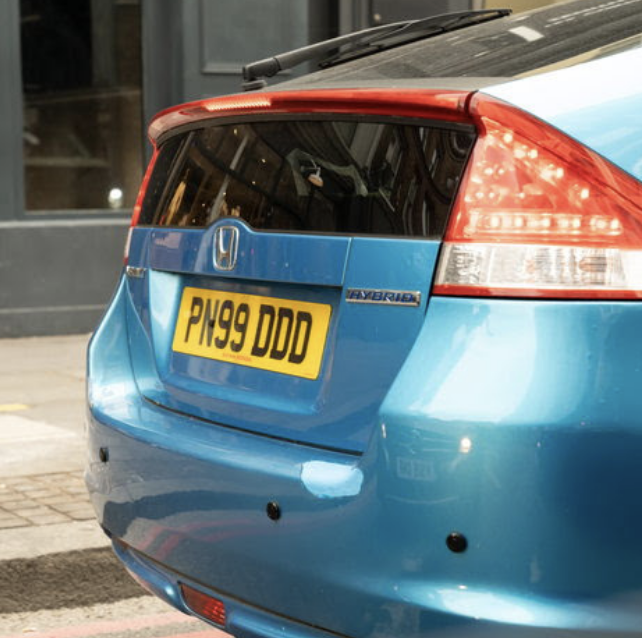
Vehicle cloning is when criminals use a registration number belonging to another vehicle, typically choosing a car of a similar make, model and colour to avoid attracting attention from police and enforcement cameras.
Innocent drivers left facing fines
The RAC said cloning can leave innocent motorists having to prove they were not responsible for an offence recorded by an Automatic Number Plate Recognition camera.
Simon Williams, RAC head of policy, said the rise was “alarming” and described vehicle cloning as a major problem for motorists.
He said legitimate number plate suppliers are required to check documents including the vehicle logbook and proof of identity and address before producing plates.
However, the RAC said illegal suppliers continue to produce plates without carrying out the required checks.
The organisation also highlighted the growing use of “ghost” or “stealth” number plates, which are designed to prevent registration numbers being properly captured by ANPR cameras.
Around 18,000 ANPR cameras in Britain
There are around 18,000 ANPR cameras in the UK, collectively recording approximately 90 million vehicle reads each day, according to the RAC.
ANPR technology is used for a range of enforcement purposes, including speeding, red-light offences, clean-air and congestion-charge zones, bus lanes, private parking and motorway red-X restrictions.
The RAC warned that plates designed to evade detection make it harder for authorities to identify offending vehicles.
A report by the All-Party Parliamentary Group for Transport Safety, supported by the RAC, estimated that as many as one in 15 vehicles could be carrying modified or non-compliant number plates, including plates designed to evade ANPR cameras.
Calls for tougher action
The RAC is calling for tighter regulation of the number plate industry and stronger measures to tackle both cloned and deliberately obscured registrations.
Williams said more police officers should be equipped with handheld technology capable of identifying unreadable plates, while ANPR systems should also be updated.
He also called for higher security standards surrounding the manufacture of registration plates and greater checks on suppliers.
However, the RAC warned that not every case recorded by the DVLA necessarily involves vehicle cloning.
The DVLA figure includes potential misidentification of vehicle registration numbers by ANPR systems. Some cases can also arise from errors made by organisations or their customers, such as an incorrect registration being entered when keeper details are requested.
The latest figures therefore indicate the scale of correspondence involving disputed vehicle identification, rather than providing a definitive count of confirmed cloned vehicles.