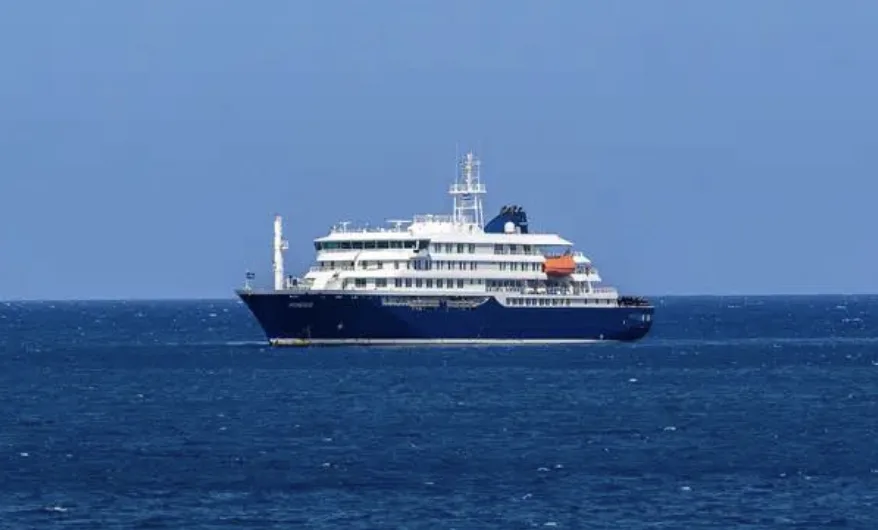
Some 22 British passengers and crew aboard the MV Hondius cruise ship affected by a hantavirus outbreak are due to arrive in Tenerife on Sunday. UK Health Security Agency (UKHSA) and Foreign Office teams will meet the vessel to test passengers for hantavirus before they disembark, with plans to fly virus-free individuals back to the UK the same day.
Dedicated Medical Flight Prepared
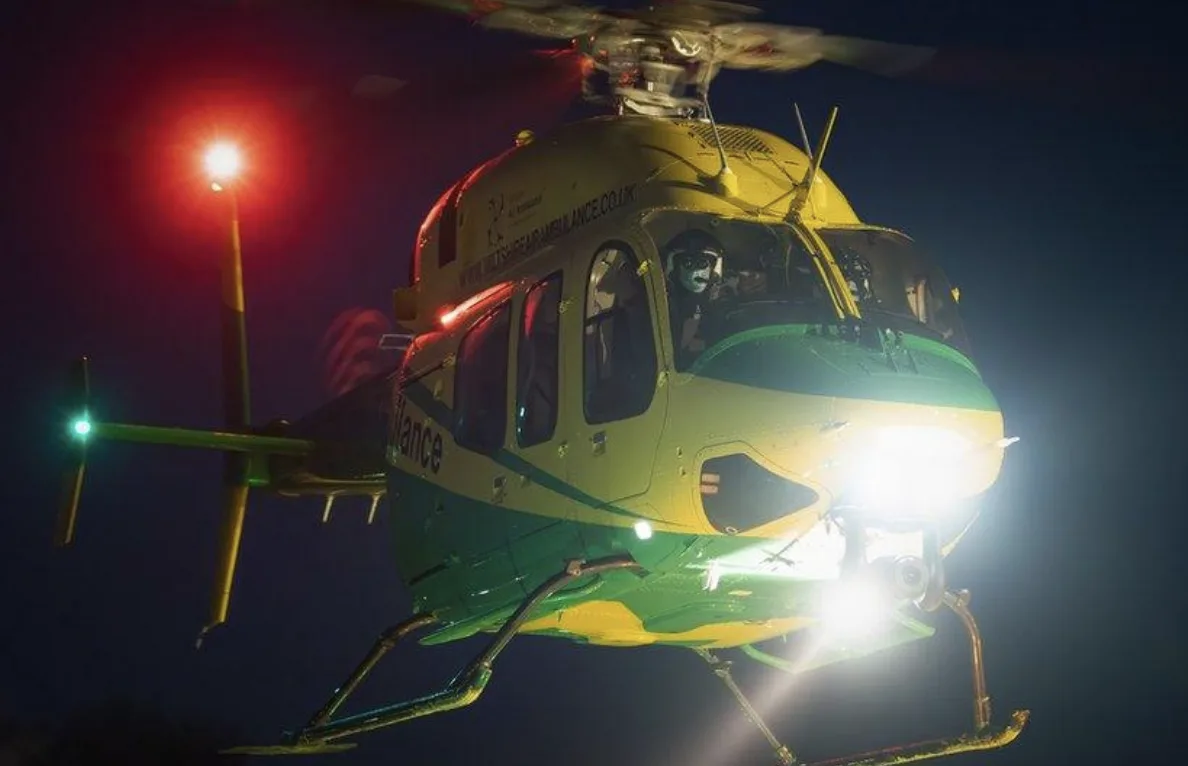
The repatriation flight will feature medical professionals onboard, carrying virus testing kits, oxygen, medicines, and other medical equipment to treat anyone who falls ill during transit. Passengers testing negative and without symptoms will be flown directly to the UK, avoiding public transport and maintaining infection control measures throughout.
Ongoing Isolation And Monitoring
Returned passengers must self-isolate for 45 days, conducting self-testing during this period. UKHSA is also arranging alternative isolation facilities for those unable to isolate at home, with further details to be announced.
Follow-up testing will occur after isolation, and contact tracing is underway for those exposed to infected individuals.
Confirmed Cases And Casualties
Nine hantavirus cases have been linked to the cruise, including two British men receiving treatment in the Netherlands and South Africa, with one currently in intensive care in Johannesburg. Another British patient is receiving care on Tristan da Cunha.
Three deaths have been connected to the outbreak, including a Dutch woman who fell ill during travel after leaving the ship.
International Response And Expert Statements
The World Health Organisation (WHO) and European Centre for Disease Prevention and Control (ECDC) have medical experts aboard the ship, conducting assessments and supporting passengers. WHO officials report improved morale onboard.
Professor Sir Peter Horby from Oxford University supports the UK’s repatriation and isolation efforts, calling them “morally and scientifically” appropriate measures.
Origin And Transmission Risks
The outbreak has been traced to a birdwatching trip in Argentina taken by two passengers before boarding. UKHSA continues to study the virus’s transmissibility, noting it requires close contact with symptomatic individuals.
The incubation period for the Andes virus strain involved may extend up to six weeks, raising the potential for more cases to emerge.