UK Scientists Crack Code to Cleaner, Greener Royal Navy Ships
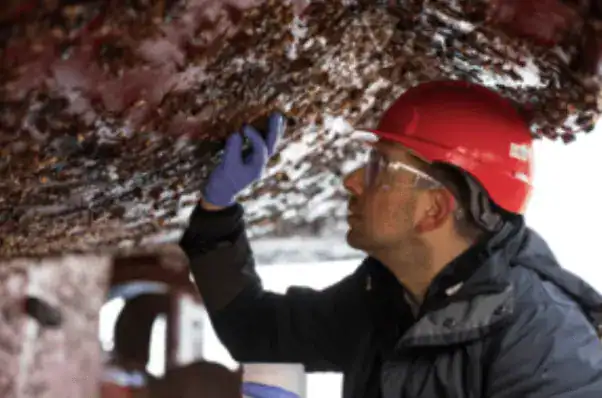
UK scientists are pioneering a game-changing method to help Royal Navy ships sail greener and cut damage to marine life. Their secret weapon? Battling biofouling – the nasty marine gunk that clogs ship hulls and chokes engines.
Biofouling: A Costly, Polluting Problem
Biofouling causes hull friction that forces ship engines to work overtime. The result: sky-high fuel use and a spike in greenhouse gas emissions. Worse, fouled hulls spread invasive marine critters beyond their natural zones, threatening ecosystems worldwide.
New Raft Tests Anti-Fouling Paint on Multiple Royal Navy Ships
The Defence Equipment and Support (DE&S) team has teamed up with QinetiQ and PML Applications to design a specialist testing raft. This clever rig can simultaneously trial anti-fouling coatings on five Royal Navy ship classes: RFA Tide Class, Type 23 Frigate, Type 45 Destroyer, Landing Platform Dock (LPD), and Sandown Mine Sweeper.
Gone are the days of testing paint on just one vessel for years. Now, multiple ships get tested at once, meaning better protective coatings tailored for each ship.
Cutting-Edge Science Saves Fuel and Protects Oceans
Jason Jones from DE&S’s Ships Husbandry Team explains:
“Biofouling Management Regulations worldwide demand ships prove effective control. Many global ports now require it. Without compliance, ships face denied entry, halting their missions.”
DE&S has pumped £350,000 into this vital project—covering the raft, lab work, and expert scientists. By analysing each ship’s sailing routes, speeds, and dock time, researchers pinpoint the most efficient anti-fouling paint to keep vessels sleek and green.
Dr Tom Vance, Chief Operating Officer at PML Applications, said:
“We’re proud to back the Navy with solid data on biofouling tech. Our field-testing mimics ship speeds and activity to match the perfect coatings and protection measures. This means the Navy selects the best antifouling tech for each vessel.”
With fuel costs eating a big chunk of marine transport budgets, this early-stage innovation promises massive savings for the Royal Navy. Plus, it slashes carbon emissions and protects marine biodiversity—a win all round.