Two crimes are hitting UK building sites, and they run in opposite directions. One takes things away. The other leaves things behind.
Tool and plant theft strips a site of equipment worth thousands, and often stops work entirely while it is replaced. Fly-tipping does the reverse, filling yards and compounds with somebody else’s rubbish. What the two have in common is who ends up paying, and in both cases it is the site.
The second of those is the one most people misunderstand, because the law places the cost on the victim.
Why dumped waste becomes the site’s own skip hire bill
If waste is dumped on private land, the landowner or occupier is responsible for clearing it. Not the council, and not the person who dumped it unless they are identified and prosecuted, which is rare.
The position is set out plainly in House of Commons Library research on fly-tipping: on private land, landowners must arrange and pay for removal themselves, and must use an authorised waste carrier to do it. Estimates put the annual cost to private landowners in England and Wales at somewhere between £50 million and £150 million.
There is a further trap. A landowner who loads the dumped waste into a van and takes it to the tip is committing an offence under the Environmental Protection Act 1990, because they are transporting controlled waste without registration. So the victim is legally obliged to pay somebody licensed to remove evidence of a crime committed against them. The Countryside Land and Business Association has campaigned for years to change this. It has not changed.
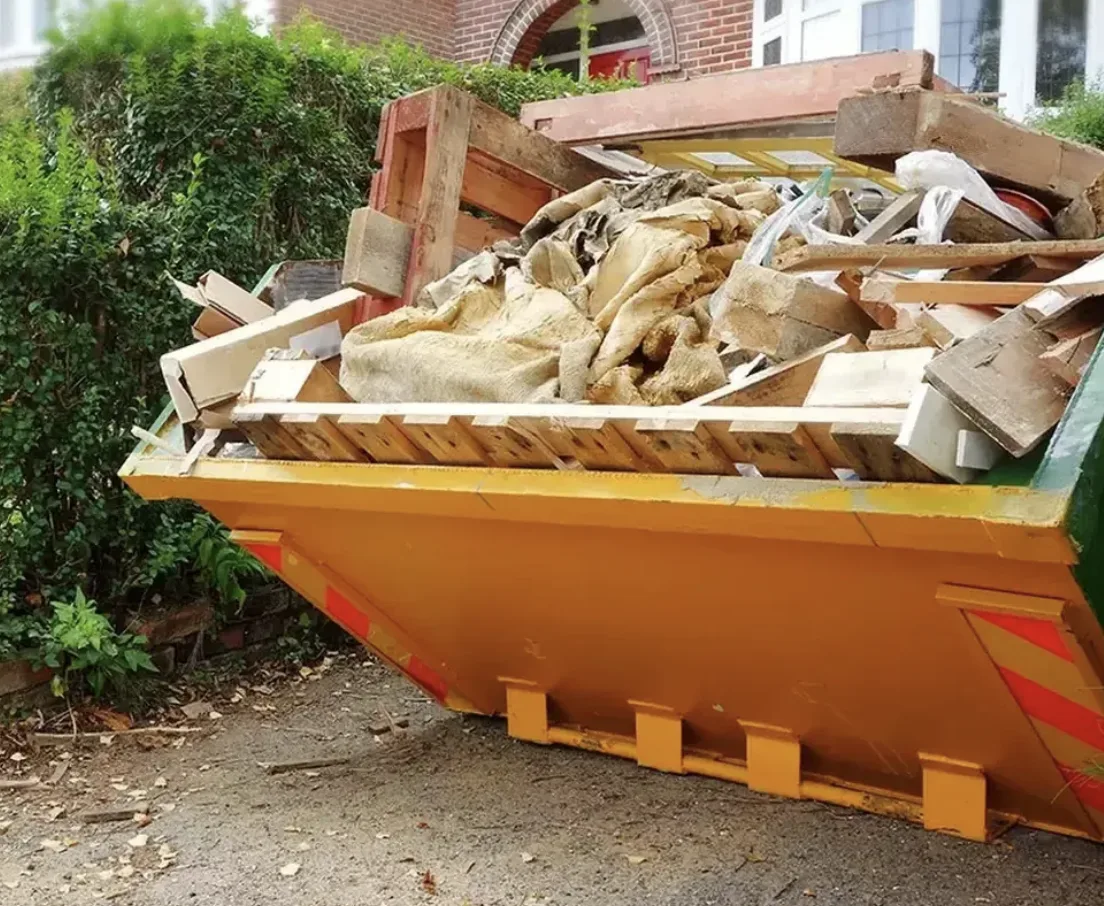
The material that gets dumped is not random either. Licensed skip hire operators such as easySkip exclude specific categories from mixed loads, among them tyres, mattresses, fridges and freezers, plasterboard, paint and asbestos, all of which need their own disposal route and their own cost. Those are the same categories that recur across fly-tipping reports, which tells you most of what you need to know about the economics driving it.
The scale is not in dispute. Defra’s fly-tipping statistics for England recorded 1.26 million incidents in 2024/25, up 9% and the fifth successive annual increase, with 52,000 of those large enough to involve a tipper lorry load or more.
What those figures do not capture is the part that matters here. They count what local authorities deal with, overwhelmingly on public land, and exclude both the large-scale cases handled by the Environment Agency and the majority of private-land incidents. The NFU has repeatedly made the point that most dumping on private land is never reported at all. A great deal of what lands behind site hoarding never reaches the official count.
Building sites are attractive targets for obvious reasons. They already contain waste, a skip on site makes an unattended container available overnight, and gates are opened and closed by multiple trades throughout the day.
What the tool theft numbers actually say
Here the reporting gets murkier, and it is worth being honest about why.
Published estimates of the cost of UK tool theft range from around £56 million a year to over £5 billion. That is not a disagreement at the margins. It reflects the fact that most figures come from insurers, security firms and van manufacturers, each using different methods and each with a commercial interest in the answer.
The most defensible data comes from Freedom of Information requests to police forces. Figures obtained that way and published in April 2026, drawn from responses by 30 of the 45 forces approached, recorded 26,724 tool thefts across the UK in 2025. That is roughly one every twenty minutes.
The same research found the figure was down 17% on 2024, which sounds like progress until the next number. Almost a quarter of tradespeople who had tools stolen, 23%, did not report it to police at all. Three quarters said they had been a victim at some point, and just under a third had been hit more than once.
A fall in reported crime against a background of that much non-reporting is not the same as a fall in crime. It may be, or it may be that fewer people now see the point of reporting.
The average value taken was a little over £1,300, but the replacement cost is the smaller half of the problem. A tradesperson without tools cannot work, and a third of those surveyed had to borrow from colleagues to keep going.
The law that was written for this, and is still waiting
Parliament has already legislated on the subject. The Equipment Theft (Prevention) Act 2023 was passed specifically to prevent the theft and resale of equipment and tools used by tradespeople and by agricultural and other businesses. It received Royal Assent in July 2023 and came into force in January 2024.
The mechanism is straightforward. Rather than increasing sentences after the fact, the Act requires immobilisers and forensic marking to be fitted to specified equipment before it is sold, and for that equipment to be recorded on a database. Marked kit is harder to resell, which is the point at which most of this crime becomes profitable.
The complication is that the Act grants powers rather than setting out detail. What equipment is actually covered depends on secondary legislation, and the initial focus was quad bikes and all-terrain vehicles rather than the contents of a van. The Home Office ran a call for evidence that expressly examined extending the requirements to tradespeople’s tools, including where to set a price threshold for what would have to be marked, and received over 200 responses.
Anyone who had a van emptied last week is entitled to ask where that has got to.
Plant, and why so little of it comes back
Larger equipment is a separate problem with a different profile.
Excavators, telehandlers, dumpers and skid steers are the machines most often taken, frequently to order. Recovery rates are dismal: industry tracking data suggests under 15% of stolen construction plant is ever recovered, around 6% of tools, and effectively none of the copper and materials.
The reasons are structural rather than mysterious. Serial numbers get altered before resale, telematics trackers are located and disabled before a machine leaves the site, and established export routes move high-value plant out through ports quickly. CCTV records what happened. It does not usually get the machine back.
What actually reduces both
The measures that help are unglamorous and mostly overlap for the two crimes, which is the useful part.
- Do not leave a container standing empty overnight. An open skip on a site is an invitation, and the cheapest fix is scheduling: book removal when it is full rather than leaving it out because the hire period has days left to run. Enclosed or lockable containers are worth the difference on longer jobs.
- Close the site, not just the gate. Most site theft is opportunistic entry through an access point that was open because somebody was due back. Hoarding, lighting and a single controlled entry point do more than a camera pointed at the compound.
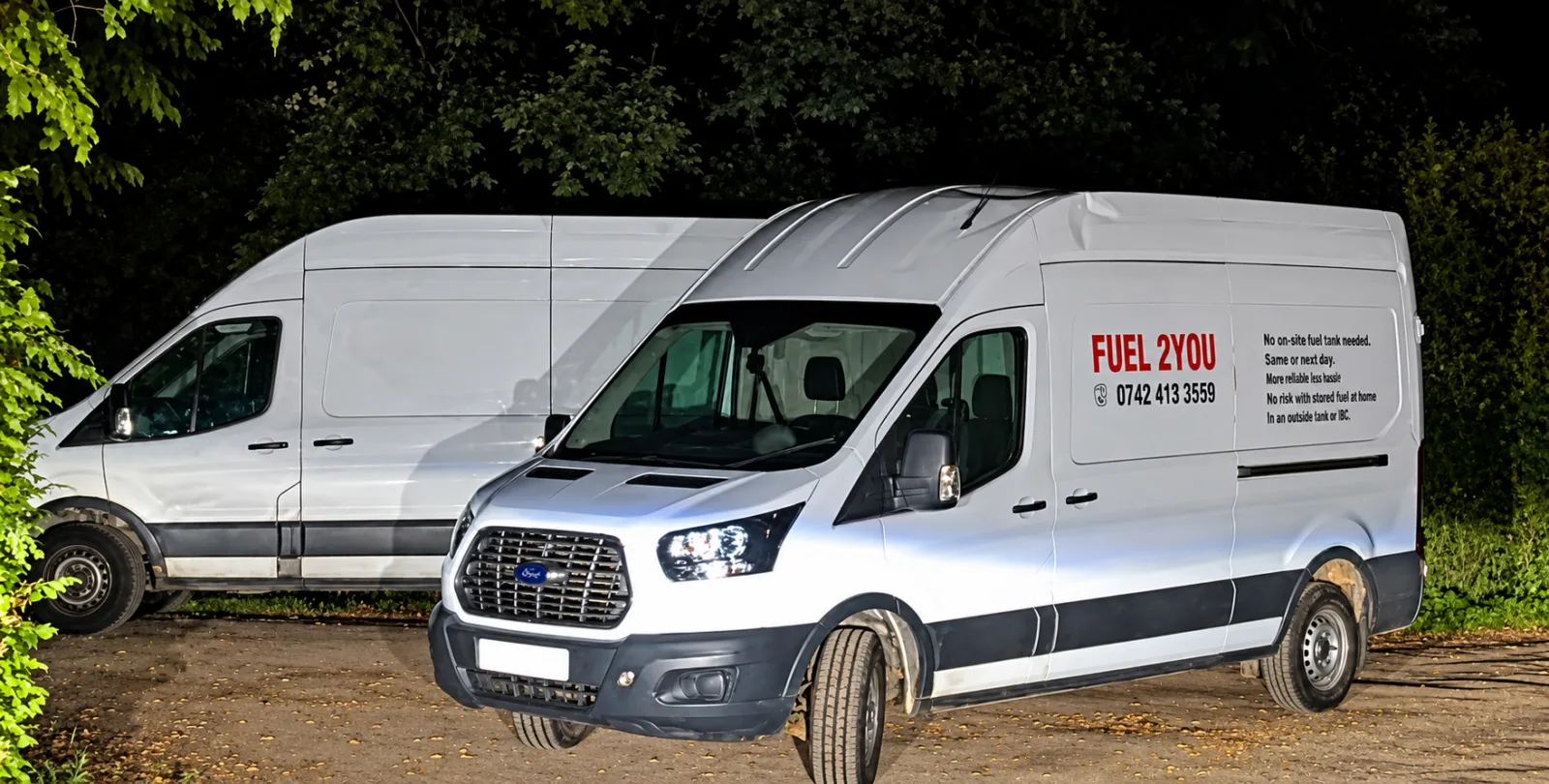
- Empty the vans. Overnight tool storage in a parked van remains the single biggest exposure for self-employed trades, and the advice from police forces has not changed: take them out where possible, mark what you keep, and park with the doors against a wall.
- Record what is on site. Serial numbers, photographs and a simple asset list are what turn a theft report into something a police force can act on, and they are also what an insurer will ask for.
- Report it anyway. With nearly a quarter of tool thefts going unrecorded, the national picture that shapes police resourcing is built on incomplete data. Non-reporting is understandable, and it is also self-defeating.
The bill lands in the same place
A stolen excavator and a dumped mattress are not comparable crimes, and nobody is suggesting they are.
What connects them is that a building site absorbs the cost of both, and in the case of fly-tipping does so as a legal obligation rather than a choice. Until that changes, the practical response is the same in both directions: control the perimeter, and do not leave anything standing on site overnight that somebody else can take from or add to.