Revolution on the Roads: How Advanced Dash Cams Are Changing Truck Safety
Truck fleets are the lifeblood of UK logistics, hauling goods across the nation daily. But keeping these giants safe and efficient is no small feat. Enter advanced dash cameras – the game-changer that’s transforming truck safety and boosting fleet performance.
What Makes Advanced Dash Cameras So Powerful?
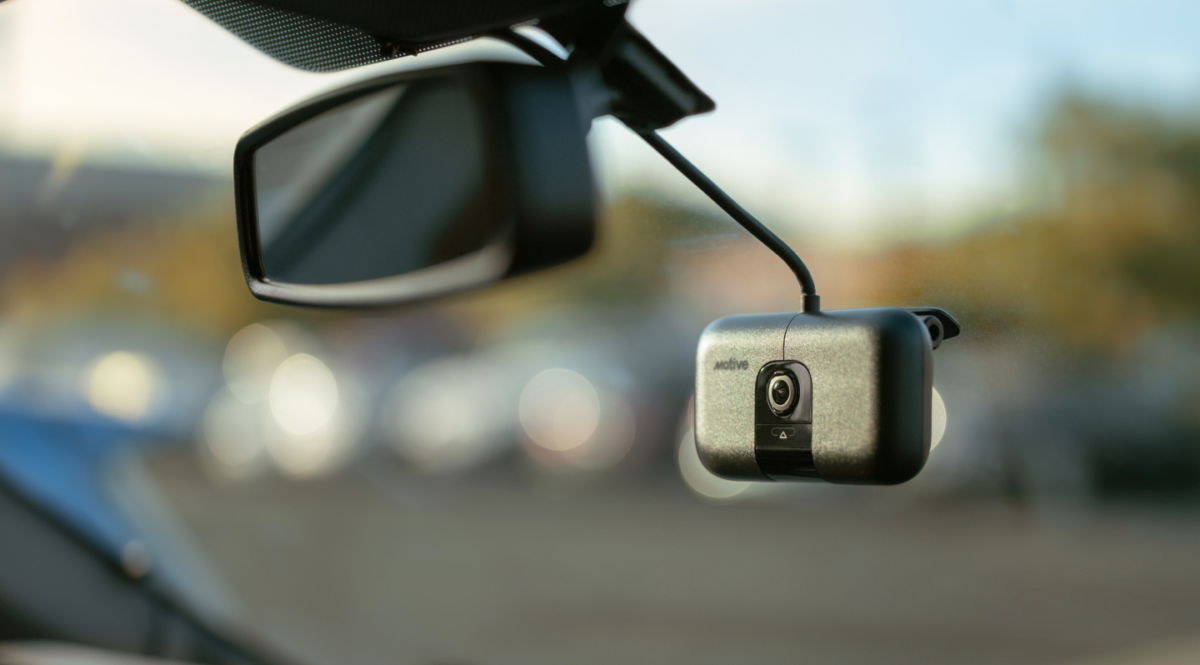
These aren’t your average dashcams. Advanced models come packed with high-definition video, real-time data streaming, GPS tracking, and cutting-edge AI analytics. They don’t just record—they actively protect and enhance truck operations.
Safety First: Slash Risks with Smart Dashcams
Heavy-duty trucks face serious risks on the road. Advanced dash cams act like an extra pair of eyes, capturing 24/7 footage to settle disputes and prevent accidents. In crashes, their recordings offer rock-solid evidence, shielding drivers from false claims and helping companies dig into causes.
- Lane departure warnings
- Collision alerts
- Real-time driver feedback
These smart features encourage safer driving, reducing wrecks and saving lives.
Boosting Efficiency: The Secret Weapon for Fleet Managers
It’s not just about speed—it’s about smart routing and reduced idle time. Advanced dash cams sync with GPS and telematics, letting bosses track trucks live, dodge traffic snarls, and pick the quickest routes.
Plus, these gadgets go further by monitoring:
- Driver behaviour
- Vehicle performance
- Fuel efficiency
All this data helps companies tighten operations, cut costs, and fatten their bottom line.
In the race for safer, smarter trucking, advanced dash cameras are leading the pack—and the road ahead looks safer than ever.