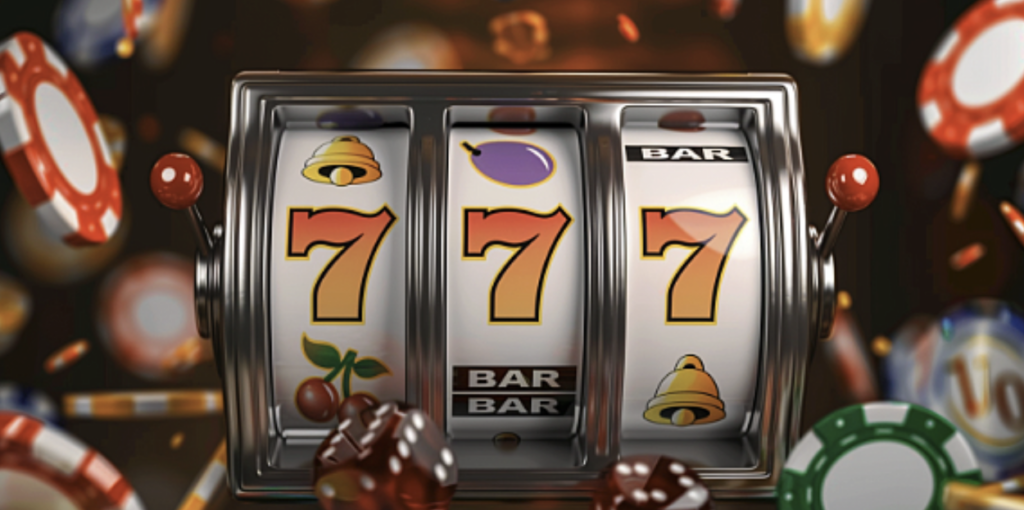
Slot machines remain the most popular gaming option in casinos, generating over 70% of gaming revenue across major properties. Yet most players approach them as pure luck, never recognising that informed decisions can significantly shape their results.
Understanding the mechanics beneath the spinning reels–from random number generation to bankroll discipline–transforms slots from a reckless gamble into a calculated form of entertainment.
How Slots Actually Work
The foundation of every slot machine is its Random Number Generator, or RNG–a computer algorithm that determines outcomes independently of physical reels. 1 and virtually every regulated casino use certified RNG systems that produce thousands of random sequences per second, ensuring no pattern or prediction is possible.
This means the previous spin has zero influence on the next, regardless of what you’ve witnessed. Understanding this reality is crucial because it eliminates the most dangerous fallacy in slot gaming: that machines are “due” for a big win or that certain times favour winners. The house edge–typically 2% to 15% depending on the machine–is built into the RNG probability weightings, not visible to players.
This edge exists in every spin, making it mathematically impossible to overcome through timing or technique.
Return to Player Percentages and Volatility
Not all slots pay equal odds, and smart players examine the RTP before sitting down. Return to Player percentages range from 85% to 98%, meaning a machine returns that fraction of wagered money over its lifetime–though “lifetime” means millions of spins, not your session.
A 96% RTP machine returns $96 per $100 wagered, leaving the casino $4; this is the long-term mathematical truth. Volatility deserves equal attention. High-volatility slots explode with bigger wins but less frequently, requiring deeper pockets to survive dry spells.
Low-volatility machines pop smaller amounts more often, providing steadier entertainment:
| Machine Type | Win Frequency | Average Payout | Session Duration | Bankroll Required |
| Low Volatility | Every 10-15 spins | $5-$25 | 2-3 hours | $200-$400 |
| Medium Volatility | Every 20-40 spins | $50-$150 | 1.5-2 hours | $400-$800 |
| High Volatility | Every 50-100 spins | $200-$1000+ | 30-60 minutes | $800-$2000+ |
| Mega Volatility | Every 100+ spins | $2000-$10000+ | 15-30 minutes | $2000+ |
Your choice determines both session length and financial risk.
A $400 budget suits low-volatility play over several hours; the same budget on high-volatility machines crashes within minutes, though potential windfalls exist.
Bankroll Management and Session Discipline
Professional slot players treat their session budget like venture capital–money allocated with zero expectation of return. Set your loss limit before playing, and never exceed it regardless of emotional pressure.
If you arrive with $300, that $300 is already spent the moment you buy in; anything remaining is profit. Coin denomination significantly impacts gameplay. Playing maximum coins on a lower denomination machine (25-cent slots) costs less per spin than fewer coins on high denomination (dollar slots), extending your session.
However, bonus features often require maximum bets to fire, so read the pay table first:
- Establish a strict session time limit–60 to 90 minutes maximum
- Calculate your per-spin cost and divide the total bankroll by this figure to determine a realistic session length
- Never chase losses with additional money from your pocket
- Treat winnings as separate from your original budget; stop when ahead if you prefer certainty
- Avoid machines near poker tables or sports books–they’re intentionally positioned for tired players making poor decisions
Recognising When to Stop
The psychological challenge of slots outweighs the mathematical one. Humans evolved to detect patterns and seek rewards; slots exploit this wiring through near-miss outcomes and light-and-sound feedback that feel like victories.
This is why session management matters more than strategy. Knowing when to walk away separates recreational players from problem gamblers. If you’re chasing losses, playing longer than planned, or betting beyond your loss limit, you’ve hit the tilt trap.
Regulated casinos provide self-exclusion tools and responsible gaming resources; using them isn’t weakness–it’s financial survival. Slots remain fundamentally games of chance, but informed players who respect RTP numbers, understand volatility, and maintain strict bankroll discipline extract maximum enjoyment from their entertainment budget.
That’s the real winning strategy.