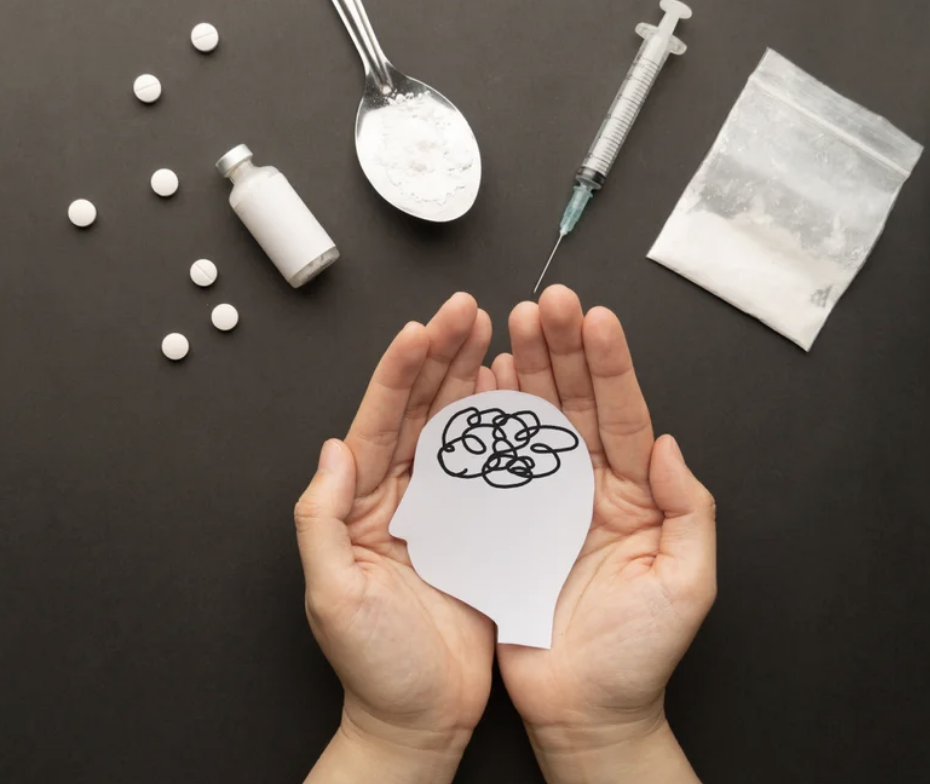
Discussions around addiction tend to centre on how it impacts Britain at a societal level, including the community impacts of drug-related crime and the economic fallout of productivity lost to hangovers and comedowns. While these are all valid talking points, they leave out the health effects of drink and drug abuse, which are significant for individuals and also have repercussions for the NHS and private support providers.
Understanding the overlapping spheres of influence that addiction creates and perpetuates is important regardless of your own proclivities and politics.
The Toll on Public Health
The physical and psychological fallout of addiction has measurable harm at the national level, with government figures citing the combined damage of drink and drugs as being £47 billion each year. Coupled with the doubling of deaths related to addiction in the past decade, now exceeding 15,000 annually, the scale and impact of this issue is as unambiguous as it is troubling.
In addition to a raft of public funding and initiatives designed to stem the rising tide of addiction’s health harms, there has also been an uptick in the number of private providers catering to this space, including detox alcohol centres and drug addiction clinics. Part of the problem stems from how the goalposts are always moving as a result of changing addiction trends, with drugs like ecstasy and LSD falling out of favour while cocaine and ketamine rise to prominence.
So, from a health perspective, there’s no question that addiction casts a long shadow. The concerted public response to the realities we face must now increase its focus on dealing with the causes of addiction, recognising the correlations with untreated mental health conditions and early life traumas, rather than only treating patients after they have been abusing drugs and alcohol for some time.
The Problems for Public Safety
The public safety implications of addiction are threefold, and as with health, they matter both at the individual level and across border communities. First and most notably, there’s the common occurrence of acquisitive crime that is directly associated with addicts needing to pay for their habit by any means necessary. This trend ranges from shoplifting to car theft.
Next, there’s the organised crime element, because, of course, the trade in illegal drugs must be orchestrated and overseen by criminal gangs, often operating across regions and across borders to serve their customers, and proliferating a range of other crimes and harms as a result of their activities.
Then, there’s the anti-social behaviour which is spurred on by mind-altering substances, and the community decay that comes from the paraphernalia involved in taking illegal drugs being discarded in public places where vulnerable people and children may encounter it.
In short, addiction has a lot to answer for in its impact on public safety and health, and the UK is not alone in facing these issues. The need for further investment in support for addicts, as well as interventions that tackle the root cause of addiction before it delivers the harms it’s capable of, is similarly obvious.