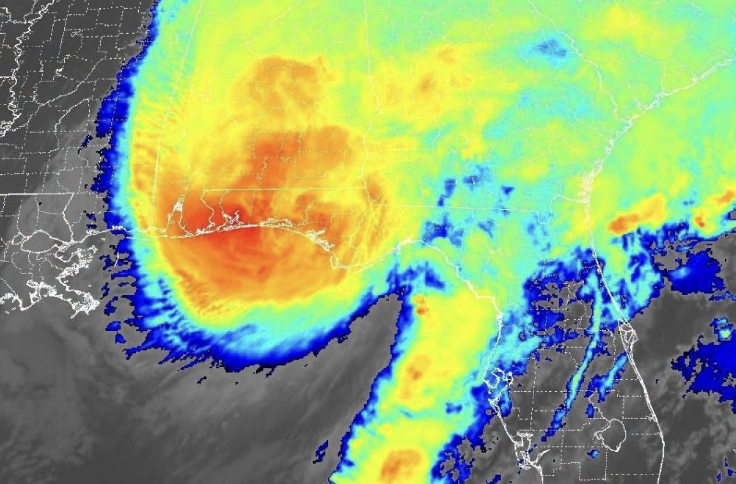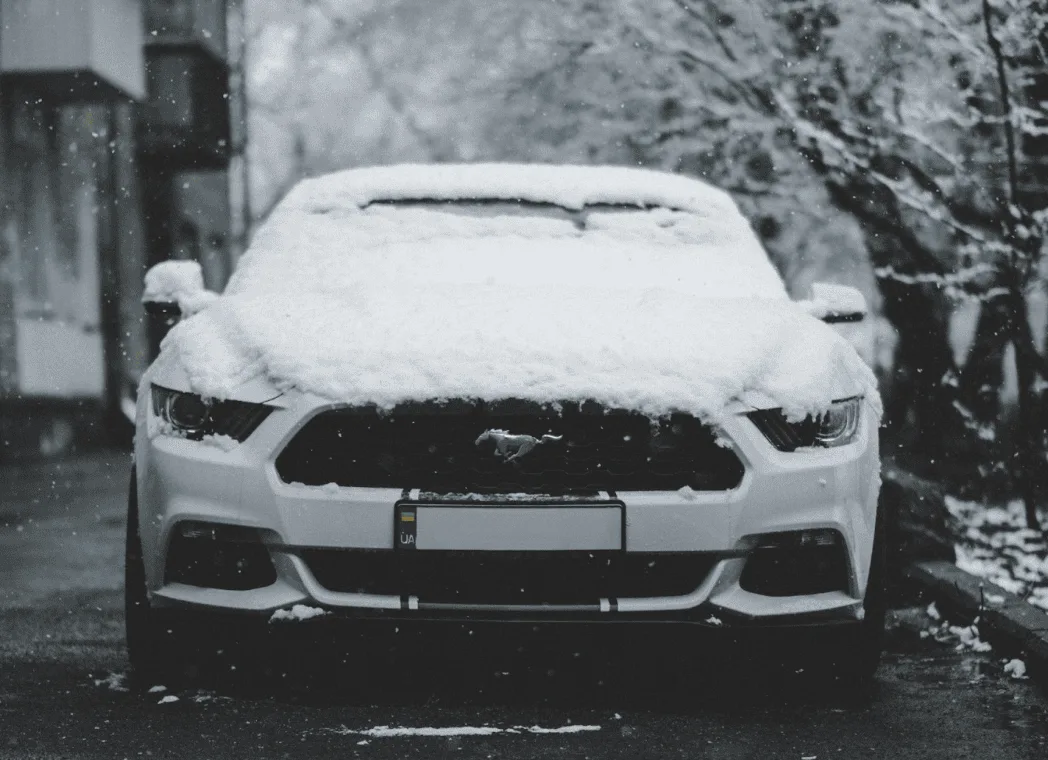
Weather might feel like just background noise, but it’s a silent assassin for your car. Every season throws fresh threats at your vehicle, chipping away at its performance, lifespan, and condition. Know the risks and fight back to keep your motor purring all year long.
Scorching Heat: Your Car’s Worst Nightmare?
Love a summer heatwave? Your car definitely doesn’t. Blistering temperatures can overload your engine and push it to overheat, especially if your coolant’s low or your radiator’s past its prime.
Heat also wrecks your vital fluids—engine oil, transmission fluid, brake fluid—making them less effective. That spells trouble under the bonnet and could mean costly breakdowns.
And don’t park under the blazing sun for too long. Your paint will crack and peel, dashboards warp, upholstery fade, and plastic bits turn brittle.
How to Protect Your Car from the Heat
- Park in shade or slap on a sunshade to shield the interior.
- Check coolant levels and ensure your cooling system’s up to scratch.
- Keep up with regular oil and fluid changes to prevent engine drama.
- Apply ceramic coating or wax to guard your paintwork.
Rain and Humidity: Rust and Electrical Nightmares
Wet weather causes much more than a soggy drive. Rain and humidity accelerate rust, especially under the car, inside wheel wells, and around the exhaust.
Rust can destroy your car’s structure and rack up bills you don’t want. Water also speeds up brake wear and can sneak into brake lines, cutting your stopping power.
Heavy rain damages roads, creating potholes that bash your shock absorbers—particularly pesky for VW Golf drivers.
Keep Your Car Dry and Rust-Free
- Always try to park in covered or well-ventilated spots.
- Wash and wax frequently to build a protective barrier against rust.
Freezing Cold: Battery and Fluid Trouble
Winter isn’t just miserable for you—your car feels the chill too. Cold slows the chemical reactions inside your battery, draining its charge faster.
Thickened engine oil and other fluids struggle to circulate, making gear changes sluggish and brakes less responsive.
Winter-Proof Your Ride
- Test your battery before winter hits; replace if it fails.
- Switch to winter-grade oil and keep an eye on all fluid levels.
Beat the Weather, Extend Your Car’s Life
Mastering how weather impacts your car means you can stay one step ahead of wear and tear. With a few smart moves, you’ll keep your vehicle running smooth and solid, come rain, shine, or frost.